
2007 Acura Tl Serpentine Belt Diagram
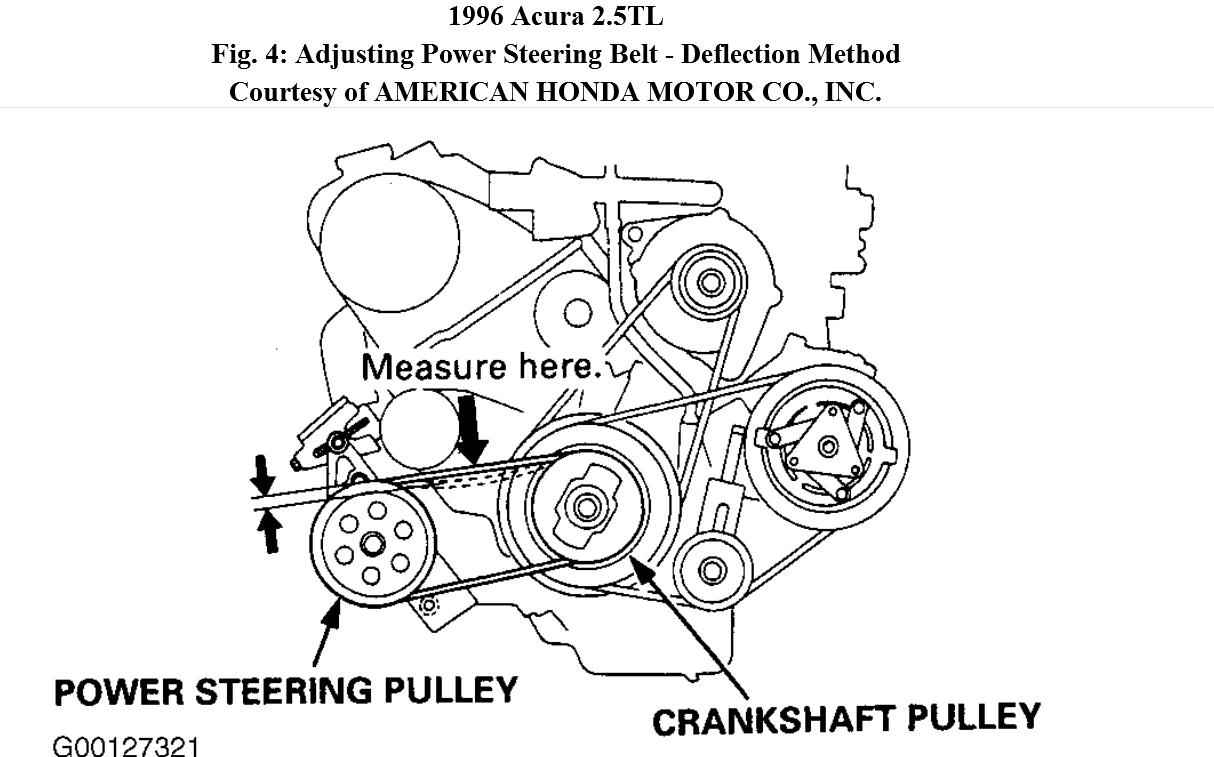
Let's talk about something fundamental to keeping your 2007 Acura TL humming: the serpentine belt system. This article dives deep into the serpentine belt diagram for your TL, providing you with the knowledge to diagnose issues, perform maintenance, and even tackle some repairs with confidence. Knowing how this system works and having a reliable diagram at your fingertips is crucial, whether you're a seasoned DIYer, a budding modder, or simply a proactive car owner.
Purpose of the Serpentine Belt Diagram
The serpentine belt diagram is, quite simply, your roadmap for understanding the belt's routing around the various engine components. It's not just a pretty picture; it's an essential tool for several reasons:
- Proper Installation: When replacing the serpentine belt, you *must* follow the correct routing. An incorrectly routed belt can lead to component failure, belt slippage, and a host of other problems. The diagram ensures you get it right.
- Troubleshooting: A squealing or chirping sound can often be traced to a worn or misaligned serpentine belt. The diagram helps you visually inspect the belt's path and identify potential issues with pulleys or tensioners.
- Maintenance: Regular inspection of the belt and its related components is key to preventative maintenance. The diagram lets you know where to look for wear, cracks, or misalignment.
- Learning: Understanding the belt's path helps you grasp how the engine's auxiliary systems function. You'll learn which components are driven by the belt and how they contribute to the car's overall operation.
Key Specs and Main Parts
Before we dive into the diagram itself, let's cover the key components involved in the serpentine belt system of a 2007 Acura TL:
- Serpentine Belt: This is the heart of the system – a single, long, multi-ribbed belt (also called a multi-V belt) that snakes around various pulleys.
- Crankshaft Pulley: Connected directly to the crankshaft, this pulley is driven by the engine's rotation and, in turn, drives the serpentine belt.
- Alternator Pulley: The alternator generates electrical power for the car. The serpentine belt drives the alternator pulley.
- Power Steering Pump Pulley: The power steering pump provides hydraulic assistance to make steering easier. It's also driven by the serpentine belt.
- Air Conditioning Compressor Pulley: The A/C compressor is responsible for cooling the car's interior. Its pulley is also driven by the serpentine belt.
- Idler Pulley(s): These smooth pulleys provide support and guidance to the belt, ensuring proper tension and alignment.
- Tensioner Pulley: This is a spring-loaded pulley that automatically maintains the correct tension on the serpentine belt. It's critical for preventing belt slippage and premature wear. A faulty tensioner is a common cause of serpentine belt problems.
While the exact belt length and tension specifications are available in your Acura TL's service manual, it's generally a good idea to replace the belt with a high-quality aftermarket or OEM (Original Equipment Manufacturer) replacement designed specifically for your vehicle. Using the wrong belt can lead to performance issues or damage to the pulleys.
Symbols and Diagram Interpretation
A typical serpentine belt diagram uses a few key symbols to represent the components and the belt's path. Let's break them down:
- Solid Lines: The solid line represents the path of the serpentine belt. Follow it carefully to ensure correct routing.
- Pulleys: These are usually depicted as circles, often with the name of the component (e.g., "ALT" for alternator, "P/S" for power steering) or an abbreviation inside the circle.
- Arrows: Arrows on the diagram may indicate the direction of belt travel. This is crucial for visualizing how the crankshaft pulley drives the other components.
- Tensioner: The tensioner pulley is often depicted with a symbol representing a spring or an adjustable arm, indicating its function in maintaining belt tension.
Understanding these symbols allows you to quickly interpret the diagram and trace the belt's path from one component to another.
How It Works
The serpentine belt system operates on a relatively simple principle: the engine's rotational energy is transferred to various auxiliary components via the belt. The crankshaft pulley, connected directly to the engine's crankshaft, rotates and drives the serpentine belt. The belt then wraps around the pulleys of the alternator, power steering pump, A/C compressor, and idler pulleys. The tensioner pulley maintains the correct tension on the belt, ensuring that it doesn't slip. Proper tension is key for these components to function correctly.
Without a properly functioning serpentine belt system, your 2007 Acura TL would experience a number of problems, including:
- Loss of Power Steering: Making the car extremely difficult to steer, especially at low speeds.
- No Air Conditioning: Resulting in an uncomfortable driving experience, particularly in hot weather.
- Charging System Failure: Leading to a dead battery and the inability to start the car.
- Overheating: Some vehicles have water pumps driven by the serpentine belt, and failure to circulate coolant can quickly lead to overheating and engine damage. (Verify your 2007 TL's cooling system layout.)
Real-World Use and Basic Troubleshooting
Here's how you can use the serpentine belt diagram to troubleshoot common issues:
- Squealing Belt: A squealing noise often indicates a slipping belt. Use the diagram to check the belt's tension and alignment. Look for signs of wear, cracks, or glazing on the belt's surface. A worn or loose belt, a failing tensioner, or a misaligned pulley are common culprits.
- Cracked or Worn Belt: Visually inspect the belt for cracks, fraying, or missing ribs. If you find any of these issues, replace the belt immediately. The diagram helps you identify the entire length of the belt for thorough inspection.
- Component Failure: If a specific component, like the alternator, is not functioning correctly, use the diagram to verify that the belt is properly routed and tensioned. A slipping belt can prevent the component from operating at its full capacity.
If you suspect a problem with the serpentine belt system, start by visually inspecting the belt and pulleys. Check the tensioner for proper movement and listen for any unusual noises coming from the pulleys. If you're unsure about the diagnosis, consult a qualified mechanic.
Safety Considerations
Working on the serpentine belt system can be dangerous if you're not careful. Here are a few safety precautions to keep in mind:
- Disconnect the Battery: Always disconnect the negative battery terminal before working on any electrical components. This prevents accidental shorts and potential injury.
- Engine Off and Cool: Ensure the engine is turned off and completely cool before working on the serpentine belt system. Hot engine components can cause severe burns.
- Moving Parts: Be extremely cautious around moving parts, especially when the engine is running. Keep your hands, clothing, and tools clear of the belt and pulleys.
- Tensioner Safety: The tensioner pulley is spring-loaded and can snap back with considerable force. Use the correct tools and techniques to release the tension safely.
Pay special attention to the crankshaft pulley, as it is directly connected to the engine and rotates at high speed. Avoid touching or getting anything caught in this pulley when the engine is running.
Finally, never attempt to work on the serpentine belt system if you are not comfortable with basic automotive repair procedures. When in doubt, consult a professional mechanic.
We have the complete 2007 Acura TL Serpentine Belt Diagram available for download. Having it handy will greatly assist you with any diagnostic, maintenance, or repair work you undertake. It provides a clear and concise visual reference that can save you time and prevent costly mistakes. You can find the download link [Insert download link here].