
2007 Chevy Silverado Radio Wiring Color Code
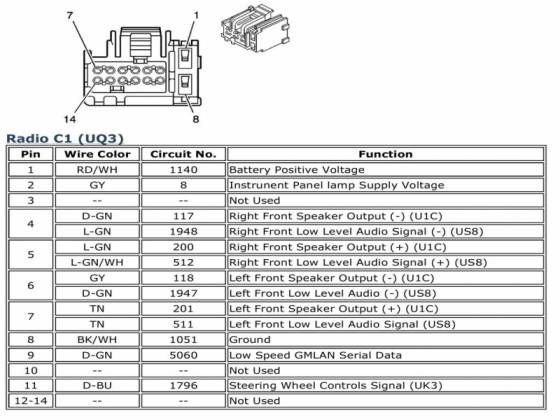
So, you're diving into the audio system of your 2007 Chevy Silverado. Whether you're replacing a busted head unit, adding an amplifier, or just trying to diagnose a speaker issue, understanding the radio wiring color code is absolutely crucial. This isn't just about matching colors – it's about avoiding shorts, blown fuses, and potentially damaging your truck's electrical system. This guide will provide you with the essential knowledge to navigate the wiring harness of your Silverado's radio like a pro. We even have a downloadable diagram ready for you, which you can access at the end of the article.
Purpose of Understanding the Radio Wiring
Why bother with all the color codes and wiring diagrams? There are several compelling reasons:
- Radio Replacement: The most common scenario. Aftermarket radios often have different connectors than the factory setup. You'll need to splice or use adapters to match the wiring.
- Amplifier Installation: Tapping into the speaker wires to feed a new amplifier requires precise identification of the correct wires.
- Speaker Upgrades: Knowing which wire goes to which speaker is critical for proper polarity (positive and negative). Incorrect polarity can lead to phase cancellation and poor sound quality.
- Troubleshooting: When your radio isn't working correctly, identifying the wires lets you test for voltage, continuity, and shorts.
- Adding Accessories: Some accessories, like backup cameras, may require tapping into specific wires in the radio harness for power or signal.
- Understanding Your Vehicle: For DIY enthusiasts and those who like to get under the hood (or dashboard), understanding the electrical systems of your vehicle is empowering.
Key Specs and Main Parts of the 2007 Silverado Radio System
Before we get into the colors, let's quickly cover the basics of the Silverado's radio system.
- Head Unit: The central control unit, responsible for tuning the radio, playing CDs, and often controlling other features like Bluetooth.
- Speakers: Typically, the 2007 Silverado has four speakers: two in the front doors and two in the rear doors or pillars. Some models might have a premium sound system with additional speakers and a subwoofer.
- Wiring Harness: The bundle of wires connecting the head unit to the speakers, power source, ground, and other components. This is where all the color-coding comes into play.
- Antenna: Receives radio signals.
- Ground: Provides a return path for electrical current. A good ground connection is crucial for proper operation.
- Battery (B+) / Constant 12V: Provides power to the radio even when the ignition is off, maintaining settings like presets.
- Ignition (Switched 12V): Provides power to the radio when the ignition is turned on.
The 2007 Silverado radio system typically operates on a 12-volt system. Understanding the polarity (positive and negative) of each wire is of utmost importance when connecting any aftermarket components.
Understanding the Wiring Diagram Symbols
A wiring diagram isn't just a mess of lines and colors. It uses standardized symbols to represent different components and connections. Here's a quick breakdown:
- Solid Lines: Represent wires.
- Dashed Lines: Can represent shielding or grounds.
- Colors: Each wire is color-coded for identification. We'll get into the specific color codes in a moment.
- Circles: Often represent connections or splices.
- Rectangles: Typically represent components like the radio head unit itself.
- Ground Symbol: A downward-pointing arrow or a series of horizontal lines getting smaller.
- Fuses: Represented by a zigzag line within a rectangular box. Fuses protect the circuit from overcurrent.
- Connectors: Represented in various ways, often as interlocking shapes indicating how wires plug together.
The diagram will also often include annotations indicating the wire gauge (thickness), which is important for ensuring you use appropriate sized wiring when making connections or extensions. Pay attention to wire gauge, as using too small a gauge can cause overheating and fire hazards.
2007 Chevy Silverado Radio Wiring Color Code Explained
This is the heart of the matter. While variations can exist based on specific trim levels and options, here's a general guide to the 2007 Silverado radio wiring color code. Always double-check with a wiring diagram specific to your truck, as discrepancies can occur.
- Constant 12V+ (Battery): Usually Orange. This wire provides constant power to the radio, even when the ignition is off. It's essential for retaining memory functions like station presets.
- Switched 12V+ (Ignition): Usually Red or Pink. This wire provides power to the radio only when the ignition is turned on.
- Ground: Usually Black or Brown. Connect this to a solid ground point on the vehicle's chassis. A poor ground connection can cause all sorts of problems.
- Illumination: Usually Gray. This wire dims the radio display when the headlights are turned on.
- Power Antenna (if equipped): Usually Pink. This wire triggers the power antenna to extend when the radio is turned on.
- Speakers: This is where it gets a bit more complex. Each speaker has a positive (+) and negative (-) wire. The colors typically follow a pattern, but it's crucial to identify them correctly to ensure proper polarity.
- Left Front (+): White
- Left Front (-): White/Black
- Right Front (+): Gray
- Right Front (-): Gray/Black
- Left Rear (+): Green
- Left Rear (-): Green/Black
- Right Rear (+): Purple
- Right Rear (-): Purple/Black
- Remote Turn-On (for Amplifier): Usually Blue. This wire provides a 12V signal to turn on an external amplifier when the radio is powered on.
Important Notes:
- Always use a multimeter to verify the function of each wire before making any connections.
- The "Black/..." wires are the negative counterparts to the positive speaker wires.
- Some models may have additional wires for features like OnStar, steering wheel controls, or a factory amplifier. Consult your specific wiring diagram for these.
How It Works: The Flow of Electricity
Understanding how the radio system works, at its core, revolves around the flow of electricity. The 12V+ constant wire keeps the radio's memory alive. When you turn the ignition, the 12V+ switched wire activates the radio. The head unit then decodes radio signals (from the antenna) or plays audio from other sources. The amplified signal is then sent to the speakers, which convert the electrical energy into sound waves. The ground wire provides the return path for the current, completing the circuit. Without a good ground, the radio won't work properly.
Real-World Use: Basic Troubleshooting Tips
Here are a few common troubleshooting scenarios and how the wiring diagram can help:
- Radio Won't Turn On: Check the 12V+ constant and 12V+ switched wires with a multimeter to ensure they are receiving power. Also, check the ground connection.
- No Sound from One Speaker: Check the speaker wires for that speaker. Ensure they are properly connected and not damaged. Test the speaker itself with a known good audio source.
- Blown Fuse: A blown fuse indicates a short circuit. Identify the circuit the fuse protects using your owner’s manual. Inspect the wiring in that circuit for any signs of damage or exposed wires. Replacing the fuse without fixing the short will only result in the fuse blowing again.
- Popping or Crackling Sounds: Can indicate a loose connection or a grounding issue. Check all connections and ensure the ground is solid.
- Dim Display: Check the illumination wire. If it's not receiving a signal when the headlights are on, the dimmer function may not be working correctly.
Remember to always disconnect the negative battery terminal before working on any electrical components. This prevents accidental shorts and potential damage.
Safety: Highlighting Risky Components
Working with automotive electrical systems can be dangerous if you're not careful. Here are a few key safety precautions:
- Disconnect the Negative Battery Terminal: This is the most important safety step. It prevents accidental shorts and potential electrical shocks.
- Avoid Cutting Wires Blindly: Always use a wiring diagram to identify the correct wires before cutting or splicing.
- Use Proper Tools: Use insulated wire strippers, crimpers, and connectors. Avoid using household tools.
- Protect Wires: Use electrical tape or heat shrink tubing to insulate exposed wires after splicing.
- Don't Work in Wet Conditions: Water and electricity don't mix.
- Be Aware of Airbag Systems: Airbags have their own wiring, often brightly colored, and should NEVER be tampered with unless you are specifically trained to do so. Consult a professional.
Remember, if you are uncomfortable working with electrical systems, it is always best to consult a qualified mechanic or car audio installer.
We hope this guide has provided you with a solid understanding of the 2007 Chevy Silverado radio wiring color code. For your convenience, we have a detailed wiring diagram available for download. This diagram provides a visual representation of the wiring harness and will be invaluable as you work on your project. Click this link to download the 2007 Chevy Silverado Radio Wiring Diagram: [Download Here - Placeholder Link] (Replace this placeholder with the actual link to the diagram). Happy wiring!