
2007 Ford F150 Serpentine Belt Diagram
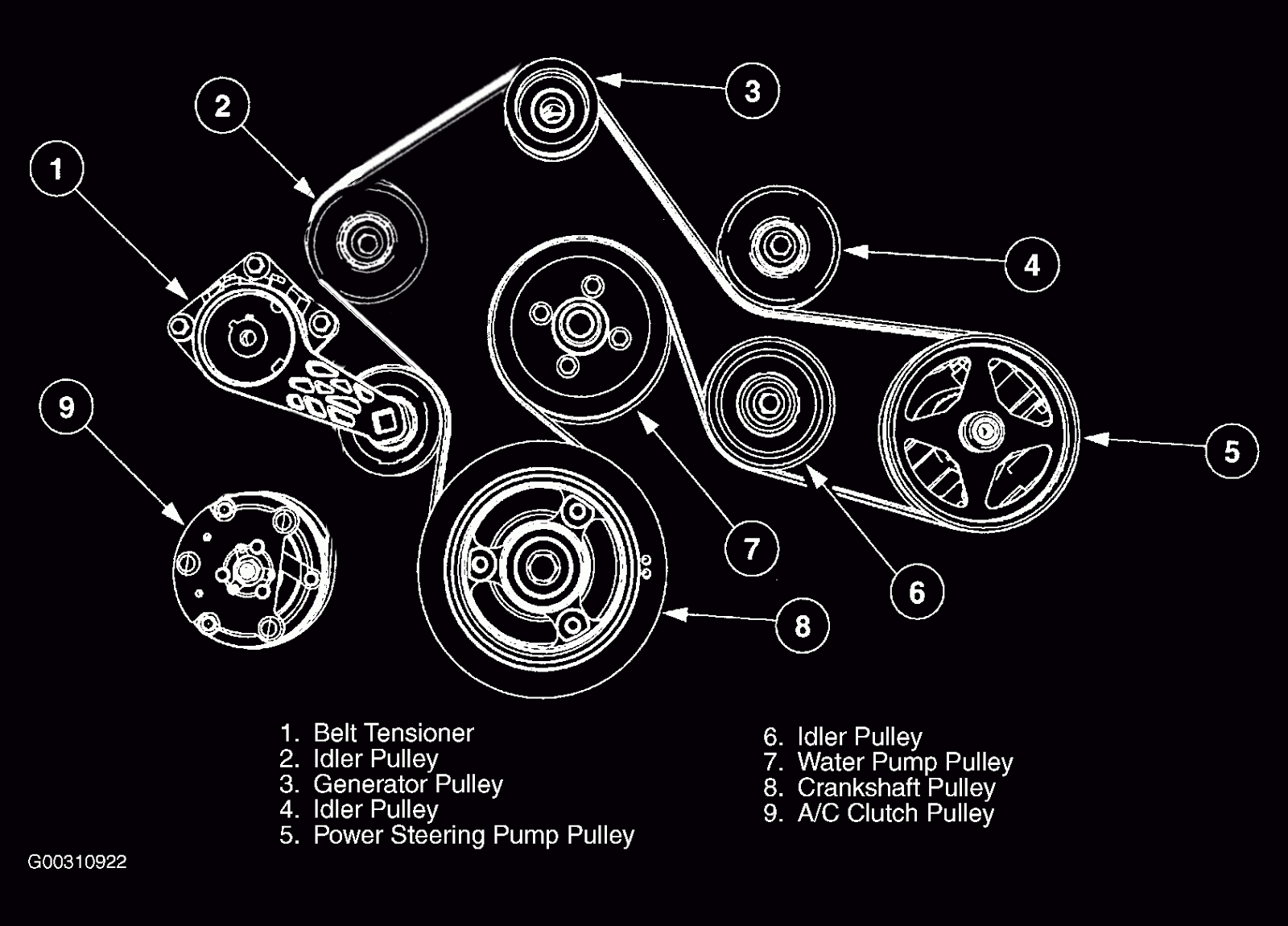
Alright, let's dive into the serpentine belt diagram for a 2007 Ford F-150. This guide is designed for those of you who are comfortable turning a wrench and want to understand the inner workings of your truck's accessory drive system. We'll cover the diagram's purpose, key components, how it all works, and even some troubleshooting tips. Having this knowledge empowers you to perform repairs, diagnose issues, and generally understand your truck better.
Purpose of the Serpentine Belt Diagram
Why bother with a diagram? Simple. The serpentine belt is the unsung hero that drives a whole host of essential components in your F-150. Understanding its routing is crucial for several reasons:
- Belt Replacement: This is the most common reason. When your belt cracks, frays, or simply wears out, you'll need to replace it. The diagram is your roadmap to ensure you route the new belt correctly. A misrouted belt can lead to serious damage to accessories.
- Troubleshooting: Squealing noises? Overheating? A dead battery? A faulty serpentine belt or a seized accessory pulley can be the culprit. The diagram helps you identify the components involved and isolate the problem.
- Maintenance: Periodic inspection of the belt and pulleys is part of good preventative maintenance. Knowing the belt's path allows you to thoroughly inspect it for wear and tear.
- Learning: Even if you're not actively working on your truck, understanding the accessory drive system enhances your overall automotive knowledge.
Key Specs and Main Parts of the 2007 F-150 Serpentine Belt System
The specific arrangement can vary slightly depending on your engine (4.2L V6, 4.6L V8, or 5.4L V8), but the fundamental components remain the same. Here’s a breakdown:
- Crankshaft Pulley: This is the driving force behind the entire system. Bolted to the crankshaft, it receives power directly from the engine's rotation.
- Water Pump Pulley: This pulley drives the water pump, which circulates coolant to regulate engine temperature. Proper cooling is crucial to prevent overheating.
- Alternator Pulley: The alternator generates electrical power to charge the battery and run the electrical system.
- Power Steering Pump Pulley: This pulley drives the power steering pump, providing hydraulic assistance for easier steering.
- Air Conditioning Compressor Pulley: When you turn on the A/C, this pulley engages the compressor, which circulates refrigerant.
- Idler Pulley(s): These smooth, non-driven pulleys provide routing and tension for the belt, guiding it around the various components.
- Tensioner Pulley: This spring-loaded pulley maintains the correct tension on the serpentine belt. It's critical for proper operation and belt life. A failing tensioner is a common cause of belt squealing and premature wear.
- Serpentine Belt: The belt itself is a reinforced rubber belt designed to transmit rotational force from the crankshaft to all the accessory pulleys.
Understanding the Diagram's Symbols
Serpentine belt diagrams aren't just pictures; they're technical drawings using specific conventions. Here’s what you need to know:
- Solid Lines: Represent the path of the serpentine belt itself. Follow these lines carefully to ensure correct routing.
- Pulleys: Typically depicted as circles. Each circle is usually labeled with the component it drives (e.g., ALT for alternator, P/S for power steering).
- Arrows: Indicate the direction of rotation for each pulley. This helps you visualize how the belt moves and ensures you're not routing it backwards.
- Tensioner: Often represented with a symbol indicating its spring-loaded nature. The diagram usually shows which way to move the tensioner to relieve tension for belt removal and installation.
- Component Abbreviations: As mentioned, abbreviations are used to identify each component. Common ones include:
- ALT: Alternator
- P/S: Power Steering
- A/C: Air Conditioning
- W/P: Water Pump
- CRANK: Crankshaft
- IDLER: Idler Pulley
- TENSIONER: Tensioner Pulley
How the Serpentine Belt System Works
The serpentine belt system is relatively straightforward. The crankshaft pulley, driven by the engine, provides the rotational force. This force is then transferred to the other pulleys via the serpentine belt. The belt is routed in a serpentine (or winding) path around all the pulleys, ensuring that each component receives the necessary power.
The tensioner pulley plays a crucial role in maintaining optimal belt tension. As the belt wears and stretches over time, the tensioner automatically adjusts to compensate, preventing slippage and ensuring efficient operation. Without proper tension, the belt will slip, leading to reduced performance of the accessories (e.g., weak power steering, poor A/C cooling, insufficient battery charging) and potential damage to the belt itself.
Real-World Use and Basic Troubleshooting
Here are some common scenarios where you'll need your serpentine belt diagram:
- Squealing Noise: A squealing or chirping noise, especially when the engine is first started or under heavy load, often indicates a slipping belt. Check the belt for cracks, glazing, or fraying. Also, inspect the tensioner to ensure it's functioning correctly. If the tensioner is weak, the belt may not be held tightly enough, causing it to slip. Sometimes a little belt dressing can help temporarily, but it’s not a permanent fix.
- Overheating: If the water pump pulley isn't turning properly due to a slipping or broken belt, the engine can overheat rapidly. This is a critical situation that requires immediate attention. Stop the vehicle and let it cool down before attempting any repairs.
- Charging Problems: A loose or damaged belt can prevent the alternator from charging the battery effectively, leading to a dead battery. Check the belt tension and condition.
- Power Steering Issues: If the power steering becomes difficult or impossible, especially at low speeds, the belt might be slipping on the power steering pump pulley.
- A/C Problems: If the A/C isn't cooling as well as it should, the belt could be slipping on the A/C compressor pulley.
Before replacing the belt, always check the condition of the pulleys. A worn or damaged pulley can quickly ruin a new belt. Look for signs of wear, such as grooves, cracks, or wobbling.
Safety Considerations
Working on the serpentine belt system involves several safety risks:
- Moving Parts: The engine must be off and the key removed before working on the serpentine belt system. Never work on the system while the engine is running.
- Hot Surfaces: The engine components, including the pulleys and belt, can become very hot. Allow the engine to cool down completely before touching anything.
- Spring-Loaded Tensioner: The tensioner is under considerable spring pressure. Use the correct tool (usually a serpentine belt tool or a wrench) to relieve the tension and avoid injury. Wear safety glasses to protect your eyes.
- Battery Disconnect: It’s always a good practice to disconnect the negative battery cable before working on any electrical components, including the alternator. This prevents accidental shorts and electrical shocks.
Remember that if you're not comfortable performing these repairs yourself, it's always best to consult a qualified mechanic.
We have a high-resolution PDF file of the 2007 Ford F-150 serpentine belt diagram available for download. This will provide you with a clear and detailed visual reference for your specific engine configuration.