
2007 Hyundai Santa Fe 3.3 Belt Diagram
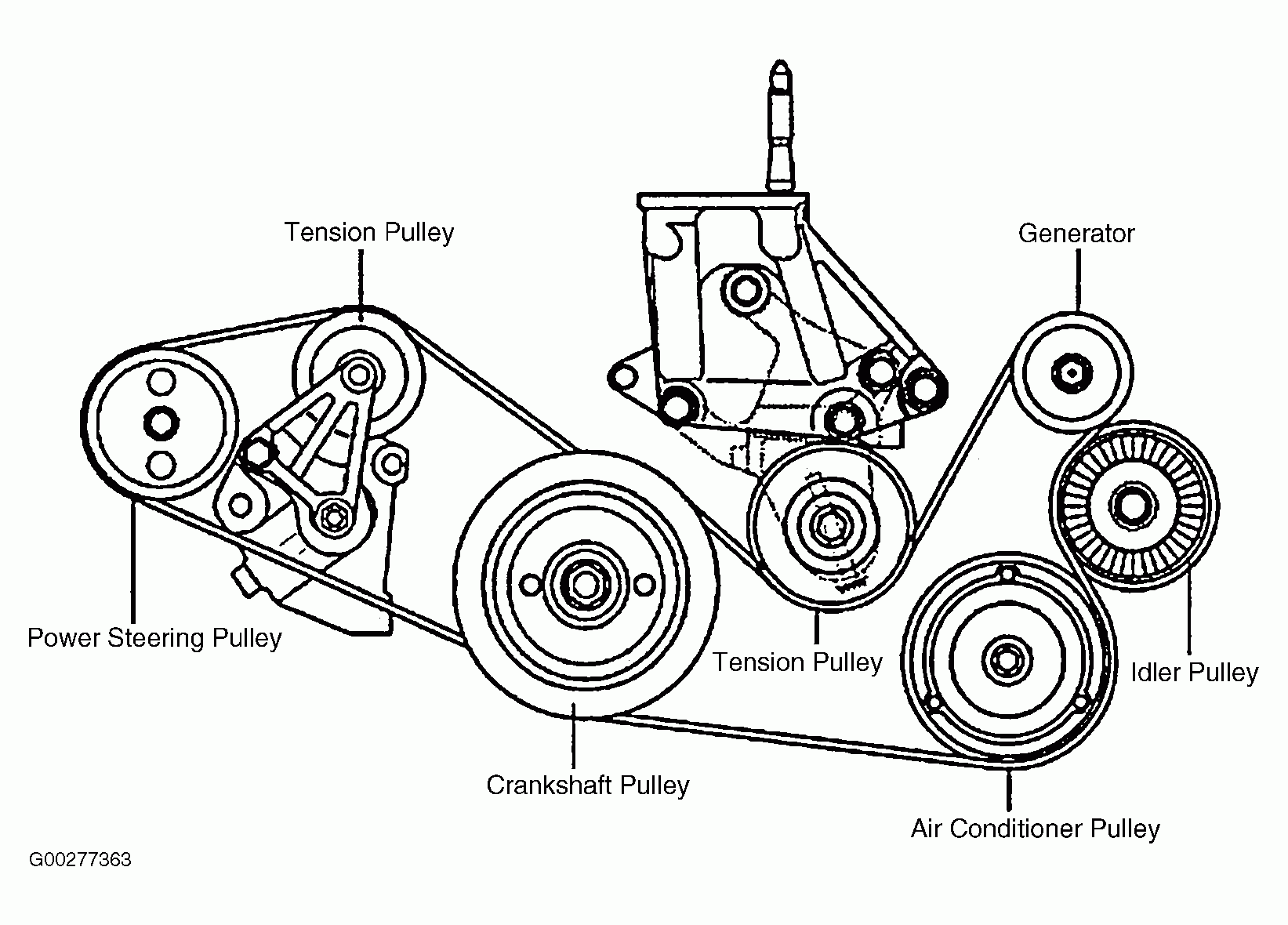
Welcome, fellow gearheads! Today, we're diving deep into the serpentine belt system of the 2007 Hyundai Santa Fe equipped with the 3.3L V6 engine. Understanding this system is crucial for preventative maintenance, troubleshooting, and even minor repairs. Think of this article as your personal roadmap to keeping that Santa Fe running smoothly.
Purpose of the Serpentine Belt Diagram
Why bother with a diagram? Well, the serpentine belt diagram for your 2007 Santa Fe 3.3L isn't just a pretty picture. It's an essential tool for several reasons:
- Repair and Replacement: When replacing the serpentine belt, the diagram ensures you route the new belt correctly. An incorrectly routed belt can lead to component failure and even engine damage.
- Troubleshooting: A slipping or squealing belt often indicates a problem within the system. The diagram allows you to visually inspect each component – tensioner, pulleys, etc. – for signs of wear or damage.
- Learning and Understanding: For the DIY enthusiast, understanding the serpentine belt system enhances your overall automotive knowledge. It's a great way to learn about the various components that power essential vehicle functions.
Key Specs and Main Parts
The 2007 Hyundai Santa Fe 3.3L V6 engine's serpentine belt system powers several critical components. Let's break down the key players:
- Serpentine Belt: This is the main drive belt – a long, continuous belt that snakes its way around various pulleys.
- Crankshaft Pulley (or Harmonic Balancer): Driven directly by the engine's crankshaft, this pulley is the starting point of the serpentine belt's journey. It's often the largest pulley in the system.
- Alternator Pulley: The alternator generates electrical power for the vehicle. The serpentine belt spins this pulley, driving the alternator.
- Power Steering Pump Pulley: The power steering pump provides hydraulic assistance for steering. The belt spins this pulley to power the pump.
- Air Conditioning Compressor Pulley: The A/C compressor circulates refrigerant throughout the air conditioning system. This pulley is engaged and disengaged as needed.
- Water Pump Pulley: The water pump circulates coolant throughout the engine, preventing overheating. This is a *very* important pulley, as a failing water pump can quickly lead to catastrophic engine damage.
- Tensioner Pulley: This spring-loaded pulley maintains the correct tension on the serpentine belt. It's crucial for preventing slippage and ensuring proper operation of all components.
- Idler Pulley: An idler pulley simply provides a smooth path for the belt to travel around other components.
Decoding the Serpentine Belt Diagram: Symbols and Conventions
A good diagram isn't just a picture; it's a map with its own language. Here's how to read the 2007 Santa Fe 3.3L serpentine belt diagram:
- Solid Lines: These represent the serpentine belt itself. The thickness might vary to visually distinguish it from other lines.
- Arrows: Arrows indicate the direction of belt rotation around each pulley. Pay close attention to these! They are critical for correct routing.
- Pulleys: Pulleys are usually represented as circles. The diagram might label each pulley with an abbreviation (e.g., ALT for alternator, P/S for power steering).
- Tensioner: The tensioner pulley is often drawn with an indication of its spring-loaded mechanism, such as an arrow suggesting movement.
- Routing Path: The diagram clearly shows the path of the belt, indicating which side of the belt (smooth or ribbed) makes contact with each pulley. This is extremely important; an incorrectly positioned belt will quickly wear out and fail.
How the Serpentine Belt System Works
The serpentine belt system is elegantly simple in its function. The engine's crankshaft turns the crankshaft pulley. This rotation is then transferred via the serpentine belt to all the other driven pulleys – alternator, power steering pump, A/C compressor, and water pump. The tensioner pulley keeps the belt taut, ensuring consistent contact and preventing slippage. Without the serpentine belt, these components would cease to function, rendering the vehicle undriveable (and very uncomfortable, especially in summer!).
Real-World Use: Troubleshooting and Inspection
Knowing how the system works allows you to diagnose potential problems. Here are a few common scenarios:
- Squealing or Chirping Noise: This often indicates a slipping belt. Possible causes include a worn belt, a loose tensioner, or a pulley that is seizing up. Inspect the belt for cracks, glazing, or missing ribs. Check the tensioner for smooth operation and proper tension.
- Battery Light On: If the alternator isn't being driven properly due to a slipping belt, the battery won't charge, triggering the battery warning light.
- Loss of Power Steering: A broken or slipping belt can prevent the power steering pump from functioning, resulting in hard steering.
- Overheating: If the water pump isn't being driven, the engine can overheat rapidly. This is a critical failure that requires immediate attention.
Pro Tip: A simple way to check for belt slippage is to spray a small amount of belt dressing on the belt while the engine is running (with extreme caution!). If the noise temporarily disappears, it confirms that the belt is slipping. However, belt dressing is only a temporary fix; the underlying problem needs to be addressed.
Safety First: Working Around the Serpentine Belt
The serpentine belt system can be dangerous if not approached with caution. Never work on the serpentine belt system with the engine running unless absolutely necessary for diagnostic purposes, and even then, exercise extreme caution. The rotating components can cause serious injury. Here are some key safety precautions:
- Disconnect the Negative Battery Cable: This prevents accidental starting of the engine while you're working.
- Keep Hands and Loose Clothing Clear: Keep your hands, fingers, and loose clothing well away from the belt and pulleys.
- Use the Correct Tools: A serpentine belt tool is designed to safely release the tension on the tensioner pulley. Using improvised methods can be dangerous.
- Hot Components: Be aware that the engine and exhaust components can be very hot, even after the engine has been off for a while.
Most importantly: If you are not comfortable working on the serpentine belt system, seek the help of a qualified mechanic.
Accessing the Serpentine Belt Diagram
Having a clear, detailed diagram readily available is invaluable. We have a high-resolution PDF file of the 2007 Hyundai Santa Fe 3.3L serpentine belt diagram available for you to download. This will give you a clear visual guide for all your maintenance and repair needs.
By understanding the serpentine belt system, you're taking a proactive approach to maintaining your 2007 Hyundai Santa Fe. Regular inspection and timely replacement of the belt and associated components can prevent costly breakdowns and keep your vehicle running reliably for years to come. Happy wrenching!