
2007 Nissan Altima Serpentine Belt Diagram
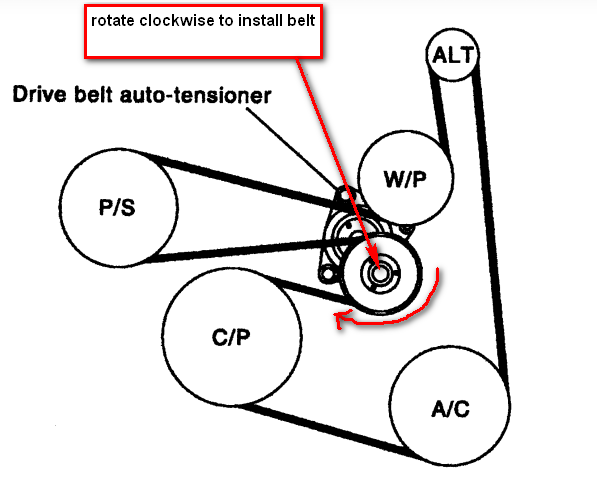
Alright, let's dive into the serpentine belt diagram for the 2007 Nissan Altima. This is a crucial piece of information for any DIY mechanic working on their Altima, whether you're performing routine maintenance, diagnosing a squealing belt, or even planning engine modifications. Having a clear understanding of this diagram will save you time, prevent mistakes, and potentially save you money on costly repairs.
Purpose of the Serpentine Belt Diagram
The serpentine belt diagram is essentially a road map for the serpentine belt. It illustrates the exact path the belt takes around the various engine accessories it drives. Without it, you're guessing, and that can lead to incorrect belt routing, component damage, or a belt that simply won't stay on. The main purposes of having access to this diagram are:
- Correct Belt Installation: Ensuring the belt is routed properly after replacement.
- Troubleshooting: Identifying which component might be causing a belt to squeal, slip, or break.
- Component Identification: Easily locating accessories like the alternator, power steering pump, and air conditioning compressor.
- Preventing Damage: Incorrect routing can damage the belt, pulleys, or even the accessories themselves.
- Planning Modifications: Understanding the belt path is crucial if you're planning to add or remove accessories.
Key Specs and Main Parts on the 2007 Altima
Before we get into the diagram itself, let's quickly review the main components involved in the serpentine belt system on a 2007 Nissan Altima (2.5L engine, specifically, as routing can differ slightly with the 3.5L V6). The serpentine belt is usually one long belt that drives multiple accessories.
- Crankshaft Pulley: This is the driving pulley, connected directly to the engine's crankshaft. All power originates here.
- Alternator Pulley: Powers the car's electrical system and charges the battery.
- Power Steering Pump Pulley: Provides hydraulic pressure for power steering.
- Air Conditioning (A/C) Compressor Pulley: Compresses refrigerant for the air conditioning system.
- Tensioner Pulley: Maintains the correct tension on the serpentine belt. This is usually spring-loaded and critical for proper belt operation.
- Idler Pulley(s): Smooth, unpowered pulleys that guide the belt and provide the necessary wrap around other pulleys.
The 2007 Altima utilizes a specific serpentine belt, and while different brands exist, knowing the correct size and type is essential. Consult your owner's manual or a parts catalog for the exact specification. The belt is typically made of a reinforced rubber compound designed to withstand heat, friction, and constant flexing.
Understanding the Diagram Symbols
The diagram isn't just a picture; it's a technical drawing with specific symbols that convey important information. Understanding these symbols is key to interpreting the diagram correctly.
- Solid Lines: These represent the path of the outer surface of the serpentine belt. Follow these lines carefully to trace the belt's route.
- Dashed Lines: These might be used to indicate the *inner surface* of the belt, especially when it's wrapping around a pulley where the outer surface isn't visible in the 2D representation.
- Circles: Represent the pulleys themselves. Some circles might be labeled with abbreviations (ALT for alternator, P/S for power steering, etc.) to identify the component.
- Arrows: Indicate the direction of rotation for each pulley. This can be helpful for understanding how the belt drives each accessory.
- Tensioner Symbol: The tensioner pulley is often depicted with a special symbol, sometimes resembling a spring or a lever, to differentiate it from the idler pulleys. Sometimes a small arrow shows the release/tension direction.
- Labels: Key components are labeled using abbreviations or full names. Ensure you understand what each abbreviation represents.
Color-coding is not always used, but if it is, it might be used to differentiate between different parts of the system or to highlight specific routing instructions. Consult the legend (if provided) to understand the color scheme.
How the Serpentine Belt System Works
The serpentine belt system is elegantly simple yet incredibly important. The engine's crankshaft spins the crankshaft pulley. The serpentine belt, wrapped around this pulley, transfers that rotational force to all the other pulleys connected to the various accessories (alternator, power steering pump, A/C compressor). The tensioner pulley maintains the correct tension on the belt, preventing slippage and ensuring that all accessories are driven efficiently.
Without the serpentine belt, your alternator wouldn't charge your battery, your power steering wouldn't work, and your air conditioning would be non-existent. A malfunctioning serpentine belt can quickly lead to a breakdown.
Real-World Use and Basic Troubleshooting
Here are some practical scenarios where the serpentine belt diagram comes in handy:
- Belt Replacement: This is the most common use. Before removing the old belt, carefully study the diagram and even take a picture or make a sketch of the belt's route. When installing the new belt, refer to the diagram to ensure correct routing.
- Squealing Belt: A squealing belt is often a sign of slippage. Use the diagram to inspect all the pulleys for signs of wear, damage, or misalignment. Also, check the tensioner pulley to ensure it's functioning correctly. Sometimes, applying a *small* amount of belt dressing (use sparingly!) can temporarily alleviate squealing, but it's generally a sign of a problem that needs to be addressed.
- Belt Breakage: If your belt breaks, identify the cause before installing a new one. Common causes include a seized pulley, a worn tensioner, or foreign objects caught in the belt path. Use the diagram to inspect each pulley for free rotation.
- Component Removal/Replacement: When replacing an alternator, power steering pump, or A/C compressor, you'll need to remove the serpentine belt. The diagram will help you identify the correct routing to ensure proper reinstallation.
Quick Troubleshooting Steps:
- Visual Inspection: Check the belt for cracks, fraying, glazing, or missing chunks.
- Pulley Inspection: Ensure all pulleys spin freely and are properly aligned.
- Tensioner Check: Verify that the tensioner pulley is applying adequate tension to the belt.
- Sound Check: Listen for unusual noises (squealing, chirping, grinding) that could indicate a problem.
Safety Considerations
Working on the serpentine belt system can be dangerous if you're not careful. Here are some key safety precautions:
- Disconnect the Battery: Before working on any electrical components (especially the alternator), disconnect the negative battery cable to prevent accidental shorts.
- Engine Must Be Off and Cool: Never work on the serpentine belt system while the engine is running or hot.
- Keep Hands and Fingers Clear: The serpentine belt system contains rotating parts that can cause serious injury. Keep your hands and fingers clear of the belt and pulleys while the engine is running (if you absolutely *must* have the engine running for diagnostic purposes - it is highly recommended to avoid this).
- Beware of the Tensioner: The tensioner pulley is spring-loaded and can snap back with considerable force. Use the appropriate tool to relieve tension before removing the belt. Failure to do so can cause injury.
- Eye Protection: Wear safety glasses to protect your eyes from debris.
High-Risk Components:
- The Tensioner Pulley: As mentioned, this is spring-loaded and can be dangerous if not handled properly.
- The Crankshaft Pulley: This pulley is connected directly to the engine and spins at high speed. Keep your hands clear.
- The Alternator: Contains electrical components and can deliver a shock if mishandled. Disconnect the battery before working on the alternator.
Remember, if you're not comfortable working on the serpentine belt system, it's always best to consult a qualified mechanic.
We have the 2007 Nissan Altima serpentine belt diagram readily available. Please feel free to download it for your reference. It's a valuable tool that will save you time and headaches in the long run.