
2007 Nissan Pathfinder Fuse Box Diagram
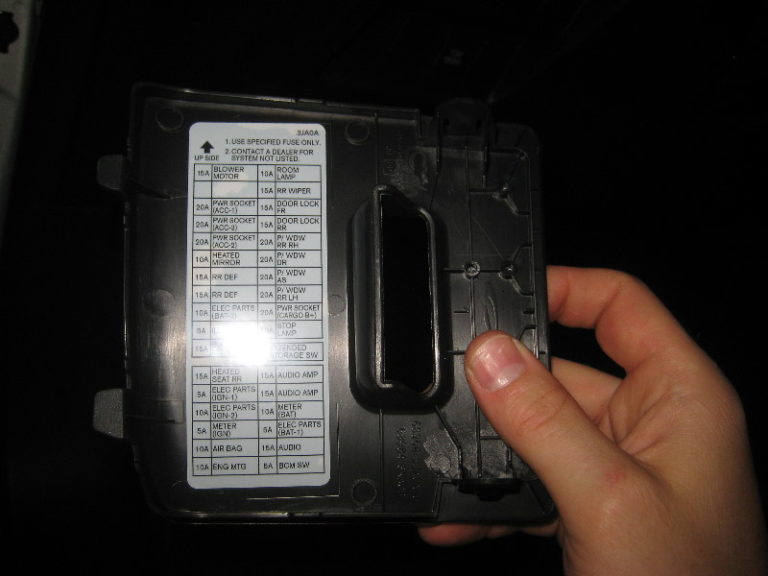
Working on a 2007 Nissan Pathfinder's electrical system can be daunting, but a good understanding of its fuse box diagram is crucial for everything from simple repairs to more complex modifications. This article will serve as your guide, breaking down the diagram, its components, and how to use it effectively and safely.
Purpose of Understanding the Fuse Box Diagram
The fuse box diagram is essentially a roadmap to your Pathfinder's electrical system. It's invaluable for several reasons:
- Troubleshooting Electrical Issues: When a component stops working – say, a taillight or the radio – the diagram helps you quickly identify the corresponding fuse and check if it's blown.
- Performing Repairs: Knowing which fuse protects which circuit is essential when replacing faulty components or wiring.
- Adding Accessories: If you're installing aftermarket accessories like a dashcam or a new sound system, the diagram helps you find a suitable power source and protect the new circuit with an appropriately sized fuse.
- Understanding the Electrical System: Studying the diagram enhances your overall understanding of how the Pathfinder's electrical system is wired and protected.
Key Specs and Main Parts of the Fuse Box
The 2007 Nissan Pathfinder typically has two main fuse box locations:
- Engine Compartment Fuse Box: Located under the hood, usually near the battery. This box houses fuses and relays that protect vital engine and vehicle systems like the engine control unit (ECU), fuel pump, headlights, and cooling fan.
- Interior Fuse Box: Typically located under the dashboard on the driver's side. This box protects interior circuits like the radio, power windows, cigarette lighter (power outlet), and interior lights.
Key components you'll find in these boxes include:
- Fuses: These are sacrificial devices designed to protect circuits from overcurrent. They contain a thin wire that melts and breaks the circuit if the current exceeds a specified level. They are rated in Amperes (Amps, or A), indicating the maximum current they can handle.
- Relays: Electrically operated switches that allow a low-current circuit to control a high-current circuit. For example, the starter relay allows a small current from the ignition switch to activate the high-current starter motor.
- Circuit Breakers: Similar to fuses, but they can be reset after tripping. They are typically used for circuits that experience temporary overloads.
- Spare Fuses: Most fuse boxes have designated slots for spare fuses of various amperage ratings.
Understanding Symbols and Diagram Conventions
Fuse box diagrams use a specific set of symbols and conventions to represent different components and their functions. Here's a breakdown:
- Lines: Solid lines represent wiring connections. Thicker lines might indicate higher current-carrying capacity.
- Colors: Wire colors are often indicated on the diagram. Knowing the wire color helps you trace the circuit through the vehicle. Common colors include red (typically power), black (typically ground), and various other colors for specific circuits.
- Fuse Symbols: Fuses are usually represented by a rectangular or elongated symbol with a zigzag line inside, indicating the fusible element. The amperage rating is often printed next to the symbol.
- Relay Symbols: Relays are typically represented by a coil symbol and a switch symbol, indicating the electromagnetic coil and the contacts that open or close when the relay is activated.
- Component Symbols: The diagram may also include simplified symbols for the components that the fuses protect, such as headlights, motors, and sensors.
Pay close attention to the legend or key provided with the diagram. This legend explains the meaning of each symbol and abbreviation used. Without the legend, the diagram is practically useless.
How the Fuse Box Works: A Simplified Explanation
The fuse box is essentially a central distribution point for electrical power in your Pathfinder. The battery provides the initial power source. This power is then distributed to various circuits throughout the vehicle via wires. Each circuit is protected by a fuse. If a short circuit or overload occurs in a particular circuit, the fuse for that circuit will blow, interrupting the flow of current and preventing damage to the wiring and components.
For example, consider the headlights. Power from the battery flows through a fuse in the fuse box, then to the headlight switch, and finally to the headlights. If there's a short circuit in the headlight wiring, the fuse will blow, preventing the short circuit from damaging the battery, wiring harness, or other components.
Real-World Use: Basic Troubleshooting Tips
Here's how to use the fuse box diagram for basic troubleshooting:
- Identify the Problem: Determine which component isn't working (e.g., the windshield wipers).
- Consult the Diagram: Locate the fuse that protects the circuit for the malfunctioning component. Refer to the fuse box diagram.
- Locate the Fuse: Find the corresponding fuse in the fuse box.
- Inspect the Fuse: Visually inspect the fuse. A blown fuse will have a broken filament inside. You can also use a multimeter to check for continuity across the fuse terminals.
- Replace the Fuse: If the fuse is blown, replace it with a new fuse of the same amperage rating. Never use a fuse with a higher rating, as this can damage the circuit.
- Test the Component: After replacing the fuse, test the component to see if it's working properly.
- Investigate Further: If the fuse blows again immediately, there's likely a short circuit or overload in the circuit. You'll need to investigate further to find and repair the underlying problem. This might involve inspecting the wiring, connectors, and the component itself.
Safety Precautions
Working with electrical systems can be dangerous. Here are some important safety precautions:
- Disconnect the Battery: Before working on the fuse box, disconnect the negative (black) battery cable to prevent accidental shorts or shocks.
- Use Proper Tools: Use insulated tools designed for automotive electrical work.
- Replace Fuses Correctly: Always replace a blown fuse with a fuse of the same amperage rating.
- Avoid Working in Wet Conditions: Never work on electrical systems in wet or damp conditions.
- Be Careful with High-Current Circuits: Circuits that power components like the starter motor and alternator carry high currents and can be dangerous. Exercise extreme caution when working with these circuits.
High-current circuits, particularly those involving the starter and alternator, can pose a significant risk of electrical shock or burns. If you're not comfortable working with these circuits, it's best to consult a qualified mechanic.
Understanding the 2007 Nissan Pathfinder fuse box diagram empowers you to diagnose and resolve common electrical issues, add accessories safely, and gain a deeper understanding of your vehicle's electrical system. Remember to always prioritize safety and consult a professional mechanic when dealing with complex or potentially dangerous electrical problems.
We have a high-resolution copy of the 2007 Nissan Pathfinder fuse box diagram available for download. This diagram will be invaluable for your future repairs and modifications. Please contact us, and we will provide you with the download link.