
2007 Ram 1500 Serpentine Belt Diagram
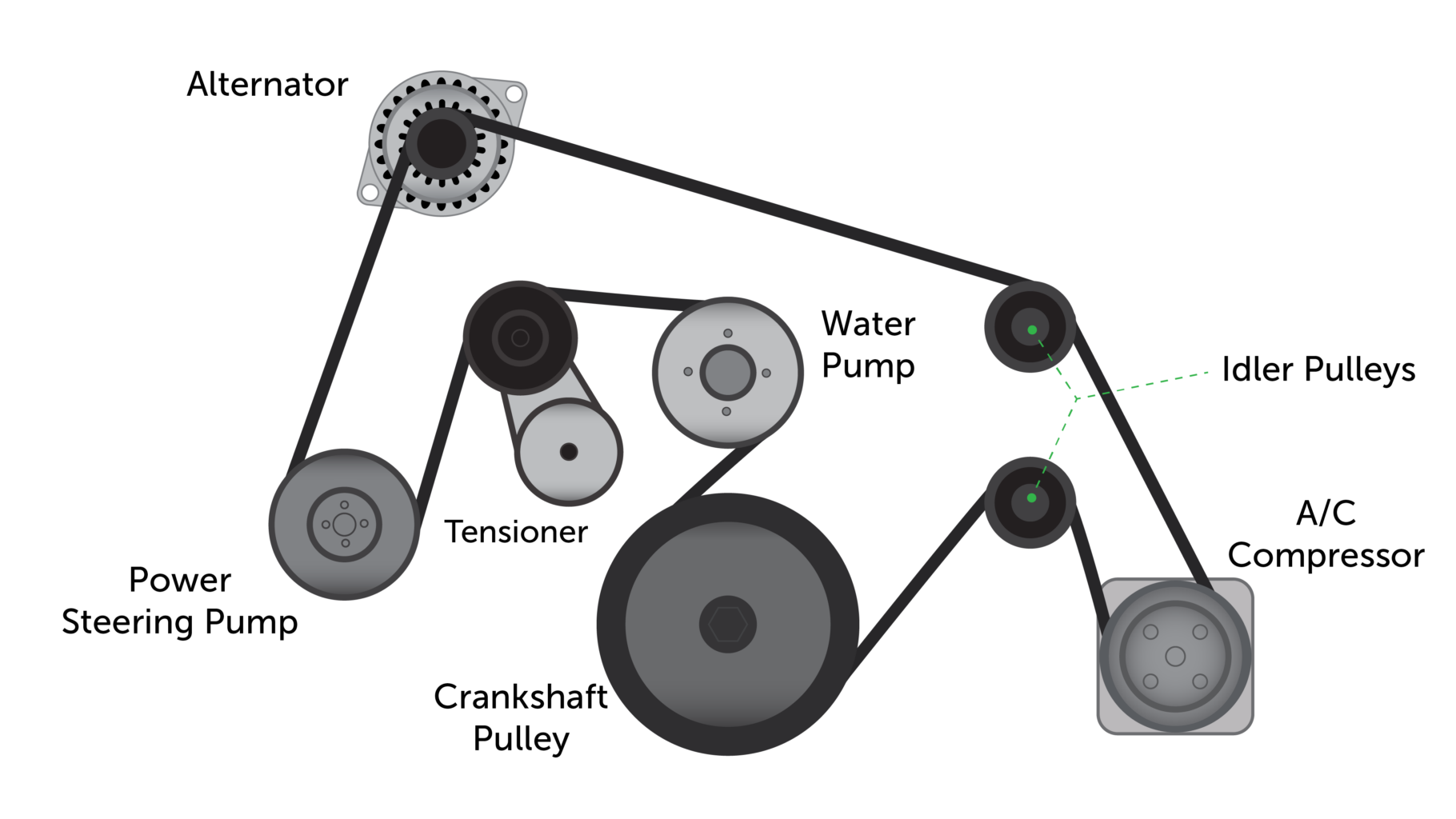
Let's dive into the serpentine belt system of your 2007 Dodge Ram 1500. This guide isn’t just about showing you a diagram; it’s about understanding how this critical system functions, so you can confidently diagnose problems and perform essential maintenance. Knowing your way around the serpentine belt system can save you time, money, and a lot of frustration.
Purpose of Understanding the Serpentine Belt Diagram
The serpentine belt diagram is your roadmap to understanding the layout and function of the belt system. This is crucial for several reasons:
- Repair & Replacement: When your serpentine belt breaks, cracks, or shows signs of wear, you'll need to replace it. The diagram shows you the correct routing path to ensure proper operation and prevents damage to other components.
- Component Identification: The diagram clearly identifies all components driven by the serpentine belt, such as the alternator, power steering pump, air conditioning compressor, and water pump.
- Troubleshooting: Unusual noises like squealing or chirping can often be traced to issues within the belt system. The diagram helps you systematically inspect each component for potential problems.
- Preventative Maintenance: Regularly checking your serpentine belt and its components as part of your scheduled maintenance helps to avoid costly breakdowns.
- Learning and Understanding: Even if you're not currently experiencing problems, familiarizing yourself with the serpentine belt system deepens your understanding of how your engine operates.
Key Specs and Main Parts of the 2007 Ram 1500 Serpentine Belt System
The 2007 Ram 1500 came with several engine options, each with its own serpentine belt routing. We'll focus on the most common options, but always verify the diagram against your specific engine:
- 3.7L V6 Engine: This engine typically has a simpler routing compared to the V8s.
- 4.7L V8 Engine: A very common engine option, requiring a slightly more intricate serpentine belt path.
- 5.7L HEMI V8 Engine: Known for its power, this engine's serpentine belt system is robust but still requires careful attention.
Here are the key components you'll find on the diagram:
- Serpentine Belt: The driving force behind the entire system. Made of reinforced rubber, it transfers power from the crankshaft pulley to the other components.
- Crankshaft Pulley (Harmonic Balancer): Connected directly to the crankshaft, this pulley is the driving pulley for the serpentine belt.
- Alternator: Generates electricity to charge the battery and power the vehicle's electrical system.
- Power Steering Pump: Provides hydraulic pressure to assist with steering.
- Air Conditioning Compressor: Compresses refrigerant to cool the vehicle's cabin.
- Water Pump: Circulates coolant throughout the engine to maintain optimal temperature.
- Tensioner Pulley: Maintains the correct tension on the serpentine belt, preventing slippage and ensuring proper operation of all components.
- Idler Pulley(s): Smooth, unpowered pulleys that guide the belt and ensure proper wrap angle around the driven components.
Understanding the Symbols on the Serpentine Belt Diagram
Serpentine belt diagrams use specific symbols to clearly illustrate the system. Here's a breakdown:
- Solid Lines: Represent the path of the serpentine belt. The thickness of the line doesn't usually indicate anything significant.
- Dotted or Dashed Lines: In some diagrams, these may indicate the back side of the belt (the smooth side) making contact with a pulley. This helps to visualize the belt's orientation.
- Arrows: Indicate the direction of rotation for each pulley. Pay close attention to these arrows, as incorrect belt routing will result in components rotating the wrong way, causing severe damage.
- Component Labels: Each pulley is labeled with an abbreviation (e.g., ALT for alternator, P/S for power steering).
- "V" Shape within a Pulley: Indicates a grooved pulley that the ribbed side of the serpentine belt engages with.
- Smooth Pulley: Indicates a smooth pulley that the back (smooth) side of the serpentine belt engages with.
- Tensioner Markings: The tensioner pulley usually has markings to indicate the correct tension range. The diagram might highlight these markings.
How the Serpentine Belt System Works
The serpentine belt system is a beautifully simple yet critical system. The crankshaft pulley, driven directly by the engine's rotation, turns the serpentine belt. The belt, in turn, wraps around and drives all the other components – the alternator, power steering pump, AC compressor, and water pump. The tensioner pulley applies constant pressure to the belt, keeping it taut and preventing slippage. Idler pulleys guide the belt along the correct path, optimizing the wrap angle (the amount of the pulley circumference the belt contacts) for each driven component.
Proper belt tension is paramount. Too loose, and the belt will slip, causing reduced performance of all driven components (weak power steering, poor AC cooling, low battery charging). Too tight, and it can put excessive stress on the bearings of these components, leading to premature failure.
Real-World Use and Basic Troubleshooting
Here's how you can use the diagram for troubleshooting:
- Squealing or Chirping Noises: This is often a sign of a slipping belt. Use the diagram to inspect the belt for cracks, glazing (a shiny surface), or fraying. Also, check the tensioner pulley for proper operation and movement. A seized or weak tensioner can cause belt slippage.
- Component Failure: If your alternator, power steering pump, or AC compressor fails, use the diagram to identify the component and understand how it's connected to the serpentine belt. This will help you with removal and installation.
- Belt Replacement: Before removing the old belt, take a picture or make a sketch of the belt routing. This will be invaluable when installing the new belt. The diagram confirms your drawing.
- Visual Inspection: Regularly inspect the serpentine belt for signs of wear and tear, such as cracks, fraying, or missing chunks. Replace the belt as needed. A good rule of thumb is to replace the serpentine belt every 60,000 to 100,000 miles, or sooner if you notice any damage.
Safety Precautions
Working on the serpentine belt system can be dangerous. Always disconnect the negative battery cable before starting any work. The engine should be completely cool before you begin. The serpentine belt area contains several rapidly spinning parts, and accidental contact can cause serious injury.
High-Risk Components:
- Crankshaft Pulley: This pulley is directly connected to the engine and rotates at engine speed. Keep hands and tools clear when the engine is running (never test anything with the engine running unless absolutely necessary and you fully understand the risks).
- Tensioner Pulley: The tensioner pulley is under spring tension and can snap back suddenly when released. Use the correct tool to relieve the tension safely.
- Rotating Accessories: All the accessories driven by the serpentine belt (alternator, power steering pump, AC compressor) have rotating parts that can cause injury if contacted while the engine is running.
Use proper safety glasses and gloves when working on the serpentine belt system.
Now you should have a better understanding of your 2007 Ram 1500's serpentine belt system. We have the serpentine belt diagram file available for you to download, which you can use as a reference during your maintenance and repair tasks. Good luck, and stay safe!