
2007 Toyota Tacoma Serpentine Belt Diagram
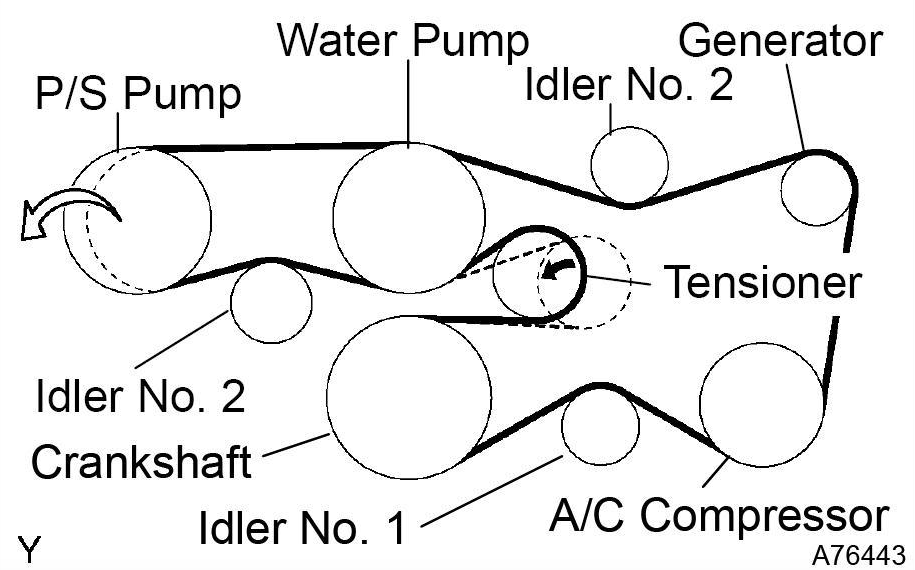
As an experienced DIYer, you understand the importance of having accurate information when tackling automotive repairs. When it comes to your 2007 Toyota Tacoma, maintaining or replacing the serpentine belt is a task you can definitely handle with the right guidance. This article provides a detailed explanation of the 2007 Tacoma's serpentine belt diagram, covering everything from its purpose to real-world troubleshooting. Having a clear understanding of this system will not only save you money but also deepen your knowledge of your truck's inner workings.
Purpose of the Serpentine Belt Diagram
The serpentine belt diagram is your roadmap for understanding and working on the accessory drive system of your 2007 Toyota Tacoma. Its primary purpose is to show the routing of the serpentine belt around the various pulleys that drive essential components of your vehicle. Why is this important? Consider these scenarios:
- Belt Replacement: The most obvious use is for replacing a worn or damaged serpentine belt. Without the diagram, properly routing the new belt could be a frustrating, time-consuming ordeal, potentially leading to misrouting and system failure.
- Accessory Diagnosis: If an accessory isn't functioning correctly (e.g., the power steering isn't working, the A/C isn't blowing cold air, or the alternator isn't charging), the diagram helps you trace the belt's path to that specific component, allowing you to isolate potential problems.
- Troubleshooting Squealing Noises: A squealing noise from the engine bay is often a sign of a slipping or worn serpentine belt. The diagram helps you inspect the belt, tensioner, and pulleys for wear or damage.
- Preventive Maintenance: Regularly inspecting the serpentine belt and its components, guided by the diagram, can help you identify potential problems before they lead to breakdowns.
- Educational Tool: Even if you're not currently experiencing any issues, studying the diagram helps you understand how the accessory drive system functions, empowering you to be a more informed vehicle owner.
Key Specs and Main Parts
The 2007 Toyota Tacoma (specifically models with the 2.7L 2TR-FE 4-cylinder and the 4.0L 1GR-FE V6 engines, though this article focuses primarily on the V6 as it is more complex) uses a single, continuous serpentine belt to drive multiple accessories. Here are the key components involved:
- Serpentine Belt: A long, rubber belt with multiple V-shaped ribs that grip the pulleys. These belts are typically made of EPDM (Ethylene Propylene Diene Monomer) rubber for heat and wear resistance. The belt length will vary based on the engine configuration and whether the AC is equipped. Refer to your owner's manual or a parts catalog for the correct part number and length.
- Crankshaft Pulley (Harmonic Balancer): Located at the bottom of the engine, this pulley is connected directly to the crankshaft and is the driving force behind the serpentine belt. It also dampens torsional vibrations from the engine.
- Alternator Pulley: Drives the alternator, which charges the battery and provides electrical power to the vehicle.
- Power Steering Pump Pulley: Drives the power steering pump, which provides hydraulic assistance for steering.
- Air Conditioning Compressor Pulley: Drives the A/C compressor, which circulates refrigerant to cool the cabin.
- Water Pump Pulley: Drives the water pump, which circulates coolant throughout the engine to prevent overheating.
- Idler Pulleys: Smooth pulleys that guide the belt around the engine and maintain proper tension. They don't drive any accessories.
- Belt Tensioner: A spring-loaded or hydraulic mechanism that automatically maintains the correct tension on the serpentine belt. This is a *critical* component; a faulty tensioner can cause belt slippage, noise, and premature belt wear. The tensioner typically has a square opening for a ratchet or breaker bar to relieve tension during belt installation/removal.
Understanding Symbols on the Diagram
Serpentine belt diagrams use a standardized set of symbols to convey information. Understanding these symbols is crucial for interpreting the diagram correctly:
- Solid Lines: These represent the serpentine belt itself. The path of the line indicates the direction the belt travels around the pulleys.
- Pulleys: These are depicted as circles. Some diagrams may include a small "A/C," "ALT," or "P/S" inside the circle to indicate which accessory the pulley drives (Air Conditioning, Alternator, Power Steering, respectively).
- Arrows: Arrows indicate the direction of belt rotation. This is essential for ensuring the belt is routed correctly.
- Tensioner Symbol: The tensioner is usually shown as a pulley with an arrow indicating the direction it moves to apply tension. The diagram often includes a note about the tool required to relieve tension (e.g., "Use a 14mm socket to rotate tensioner clockwise").
- Idler Pulleys: Often depicted as plain circles, without any identifying label.
While colors aren't typically used in standard diagrams, some aftermarket diagrams might use color-coding to differentiate between the front and back of the belt. In these cases, the key will explain the meaning of each color.
How the Serpentine Belt System Works
The serpentine belt system is relatively simple in concept. The crankshaft pulley, powered by the engine, drives the serpentine belt. The belt, in turn, wraps around the various accessory pulleys, transferring the rotational force from the engine to those accessories. The belt tensioner plays a vital role by maintaining consistent tension on the belt, preventing slippage and ensuring efficient power transfer. The idler pulleys guide the belt along the optimal path, preventing it from rubbing against engine components or other accessories. The accessories, such as the alternator, power steering pump, and A/C compressor, then perform their respective functions, powered by the belt.
A properly functioning serpentine belt system is essential for the reliable operation of your 2007 Toyota Tacoma. Without it, you'll experience a dead battery, loss of power steering, overheating, and no air conditioning – all of which can leave you stranded.
Real-World Use: Basic Troubleshooting Tips
Here are some common issues and how the serpentine belt diagram can help you diagnose them:
- Squealing Noise: Inspect the belt for cracks, fraying, or glazing. Check the tensioner for proper movement and tension. Use the diagram to visually inspect the alignment of the pulleys. Misalignment can cause the belt to rub and squeal. If the belt and tensioner seem fine, suspect a worn pulley bearing.
- Accessory Failure: If an accessory stops working, first check the serpentine belt to see if it's broken or slipped off the pulley. If the belt is intact, use the diagram to ensure it's routed correctly to the affected accessory. If belt is fine, inspect the accessory itself for failure (e.g., a seized A/C compressor).
- Belt Slippage: Slippage usually manifests as a squealing noise, especially under load (e.g., when turning the steering wheel sharply or turning on the A/C). Check the belt tension and condition. If the tensioner is weak or the belt is worn, replace them.
- Visual Inspection: Regular visual inspection of the belt, guided by the diagram, can catch potential problems early. Look for cracks, fraying, missing chunks, or excessive wear. A healthy belt is crucial for a reliable vehicle.
Safety Precautions
Working on the serpentine belt system involves certain risks. Here are some important safety precautions:
- Disconnect the Battery: Always disconnect the negative battery cable before working on any electrical components, including the alternator. This prevents accidental short circuits.
- Hot Engine: Never work on the serpentine belt system while the engine is hot. Allow the engine to cool completely before starting any work. The exhaust manifold and other engine components can cause severe burns.
- Moving Parts: Keep your hands, clothing, and tools clear of the serpentine belt and pulleys when the engine is running. The rotating components can cause serious injury.
- Proper Tools: Use the correct tools for the job. Using the wrong tools can damage the components or cause injury. A serpentine belt tool kit is highly recommended.
- Eye Protection: Wear safety glasses to protect your eyes from debris.
- Tensioner Caution: The belt tensioner is under significant spring pressure. Use caution when releasing the tensioner to avoid injury. Be sure that the tool is properly seated on the tensioner before releasing the tension.
We have a detailed Serpentine Belt Diagram available for download in PDF format. This diagram will be an invaluable asset for any maintenance or repair work you undertake on your 2007 Toyota Tacoma. Contact us for the link to the downloadable file.