
2008 Dodge Ram 1500 5.7 Serpentine Belt Diagram
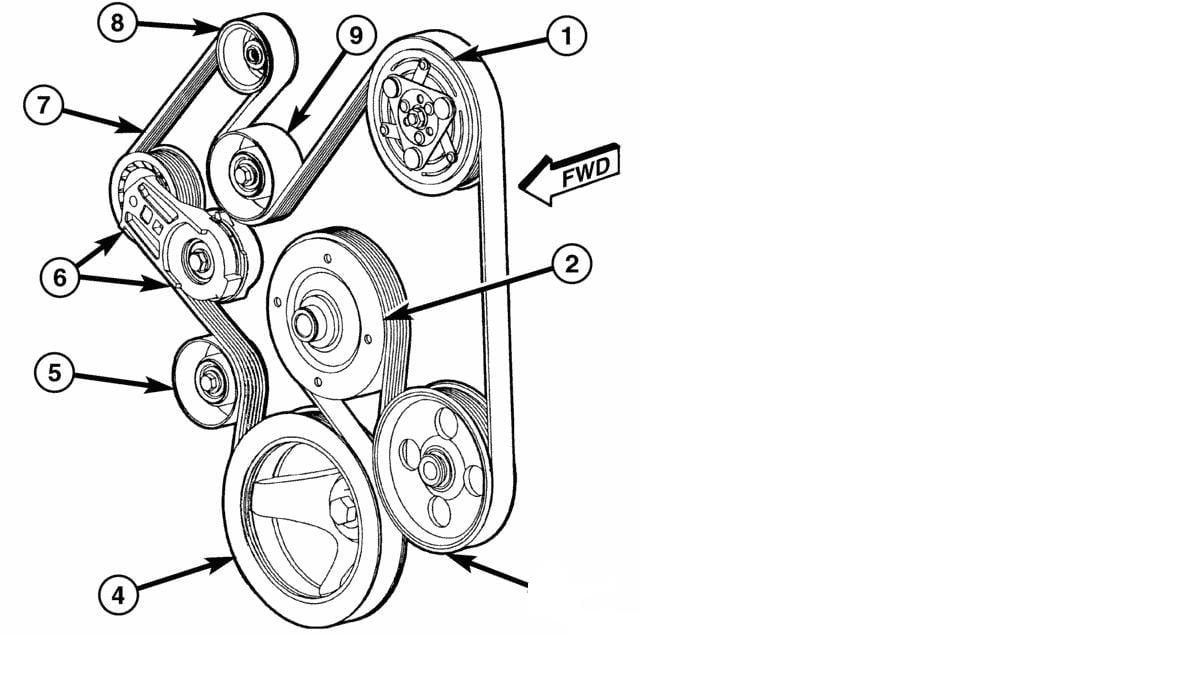
Let's dive into the serpentine belt system of your 2008 Dodge Ram 1500 with the 5.7L Hemi engine. This article will serve as your comprehensive guide to understanding the belt's routing, function, and maintenance. Whether you're planning a replacement, diagnosing a squeal, or simply want a better understanding of your truck, this information will prove invaluable.
Purpose of the Serpentine Belt Diagram
The serpentine belt diagram is more than just a pretty picture; it's a crucial tool for several reasons:
- Replacement: The most obvious use. When replacing the belt, the diagram ensures you route the new belt correctly. An incorrectly routed belt can lead to component failure and damage.
- Troubleshooting: If your belt is slipping, squealing, or broken, the diagram helps you identify which components are affected. You can then check the pulleys and accessories for damage or binding.
- Preventative Maintenance: Regular inspection of the belt and its routing, guided by the diagram, allows for early detection of wear, cracks, or misalignment, preventing costly breakdowns.
- Understanding Your Vehicle: For the DIY enthusiast, comprehending the serpentine belt system provides a deeper understanding of how your engine's accessories function.
Key Specs and Main Parts of the Serpentine Belt System
Before we get to the diagram itself, let's define the core components of the system:
- Serpentine Belt: A single, long belt that drives multiple engine accessories. It's made of durable rubber composite material, designed to withstand high temperatures and constant flexing.
- Crankshaft Pulley (Damper): Driven directly by the engine's crankshaft, it's the primary power source for the serpentine belt system. The damper helps reduce torsional vibrations in the crankshaft.
- Alternator Pulley: The alternator generates electrical power for the vehicle's systems. The serpentine belt spins this pulley.
- Power Steering Pump Pulley: The power steering pump provides hydraulic assistance to the steering system. It’s driven by the belt.
- Air Conditioning Compressor Pulley: The A/C compressor circulates refrigerant to cool the cabin. Again, driven by the serpentine belt.
- Idler Pulley(s): Smooth pulleys that guide the belt around the engine and maintain proper tension. They have bearings inside that can fail.
- Tensioner Pulley: This spring-loaded pulley maintains the correct tension on the serpentine belt. A properly functioning tensioner is vital for preventing slippage and premature belt wear.
Decoding the Serpentine Belt Diagram: Symbols and Markings
The diagram itself will typically feature the following conventions:
- Solid Lines: Represent the path of the serpentine belt. The thicker the line, sometimes the more important the segment is.
- Pulleys: Usually depicted as circles, sometimes shaded or outlined, to indicate whether they are driven or idler pulleys.
- Arrows: Indicate the direction of rotation for each pulley. Pay close attention to these arrows, as incorrect routing will reverse the direction of some accessories.
- Text Labels: Abbreviations or full names of the accessories (ALT for Alternator, P/S for Power Steering, A/C for Air Conditioning, CRANK for Crankshaft).
- Tensioner Indicator: Shows the location of the tensioner pulley.
- Routing Details: Diagrams may include specific notes about belt orientation or installation procedures.
How the Serpentine Belt System Works
The system's operation is relatively straightforward: The crankshaft pulley, driven by the engine, turns the serpentine belt. The belt then wraps around and drives the pulleys of various engine accessories. The tensioner pulley maintains constant tension, preventing slippage. When the engine is running, all these components are spinning at various speeds, providing the power needed for critical vehicle functions. It's a closed-loop system, so a failure in one component can impact the performance of others. For example, a failing alternator can place extra strain on the belt, leading to premature wear or breakage.
Real-World Use: Basic Serpentine Belt Troubleshooting
Here are some common issues you might encounter, along with basic troubleshooting tips:
- Squealing Belt: Often caused by a loose belt. Check the tensioner. It could also be caused by a worn belt, a glazed pulley, or a misaligned accessory.
- Cracked or Worn Belt: Replace the belt immediately. Cracks indicate dry rotting and potential failure.
- Belt Slipping: Could be due to a loose belt, worn pulleys, or a failing tensioner. Inspect all components for wear or damage. If AC kicks on and the belt squeals, the AC compressor is likely putting too much load on the belt.
- Accessory Failure: If an accessory stops working (e.g., no power steering), inspect the belt and its connection to that accessory. The belt might be broken or slipped off the pulley. It could also be the accessory itself that has failed.
To diagnose effectively, use these steps:
- Visual Inspection: Start with a thorough visual inspection of the belt, pulleys, and tensioner. Look for cracks, wear, misalignment, or damage.
- Tension Check: Verify the tensioner is functioning correctly. It should move smoothly and maintain constant tension on the belt. Some have indicators to show if tension is within acceptable range.
- Pulley Inspection: Check the pulleys for smooth rotation and any signs of damage. Spin each pulley by hand (with the engine off!) to check for bearing issues or wobbling.
Safety Considerations: Handle with Care
The serpentine belt system involves moving parts and potentially dangerous conditions. Always observe these safety precautions:
- Engine Off: Always work on the serpentine belt system with the engine off and the key removed from the ignition.
- Hot Components: Be aware that engine components, especially the exhaust manifold, can be extremely hot. Allow the engine to cool down before working on the system.
- Moving Parts: Keep your hands, clothing, and tools clear of the serpentine belt and pulleys when the engine is running. A running engine can be extremely dangerous.
- Eye Protection: Wear safety glasses to protect your eyes from debris or snapping belts.
- Battery Disconnect: It's generally a good practice to disconnect the negative battery terminal before working on any electrical components, including the alternator.
Special attention should be paid to the tensioner pulley. It stores significant spring energy, and improper handling could cause injury. Always use the correct tool (usually a wrench or socket) to relieve the tension before removing the belt. Never attempt to pry the belt off a pulley without first relieving the tension.
The Crankshaft pulley or damper is connected directly to the rotating crankshaft and is extremely dangerous when the engine is running.
Downloading the Diagram: Your Ready Reference
Now that you understand the intricacies of your 2008 Dodge Ram 1500 5.7L Hemi serpentine belt system, you'll need a visual aid. We have the detailed diagram available for download. This diagram will provide the exact routing specific to your vehicle, eliminating any guesswork during belt replacement or troubleshooting.
With this knowledge and the diagram at your disposal, you're well-equipped to maintain and repair your serpentine belt system. Happy wrenching! Remember that if you are uncomfortable performing these tasks, it is always best to consult with a qualified mechanic.