
2008 Jeep Grand Cherokee Belt Diagram
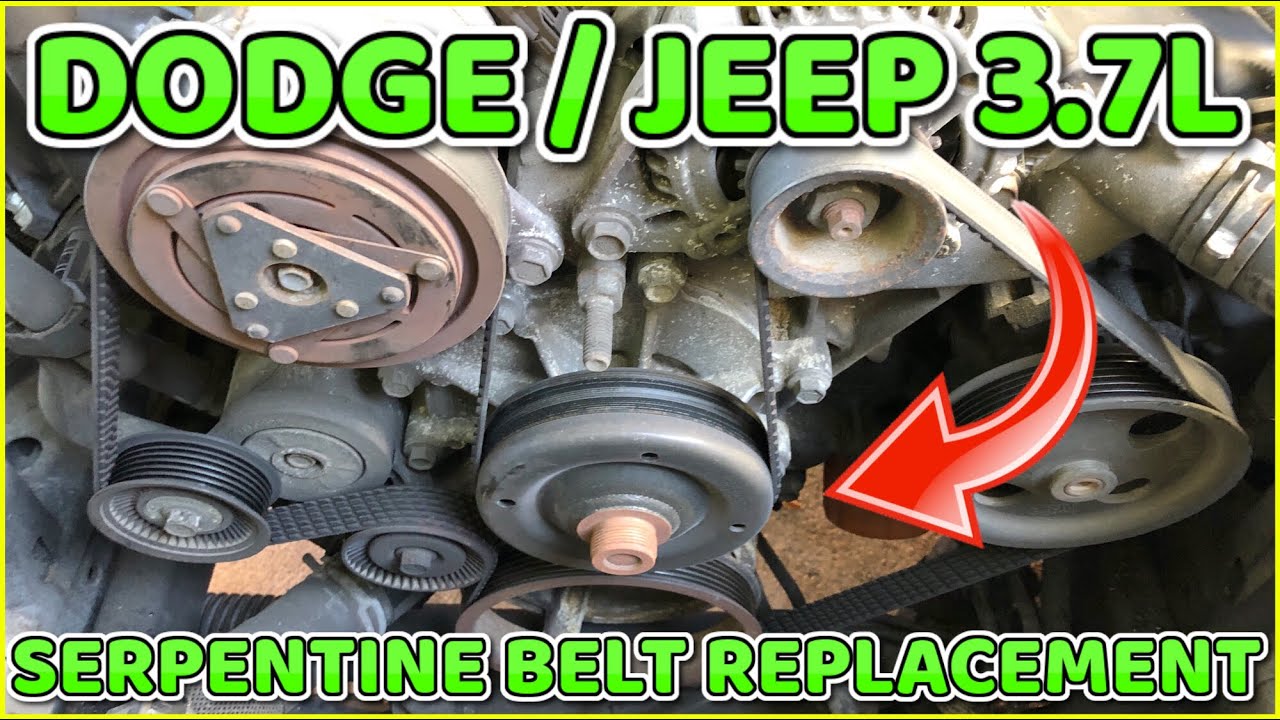
The serpentine belt system in your 2008 Jeep Grand Cherokee is a critical component for the proper functioning of numerous essential systems. A clear understanding of its layout, function, and potential issues is invaluable for both routine maintenance and unexpected repairs. This article will provide a detailed breakdown of the 2008 Grand Cherokee's belt diagram, empowering you to diagnose problems, perform replacements, and ensure your Jeep keeps running smoothly.
Why the Belt Diagram Matters
Having access to and understanding the belt diagram for your 2008 Grand Cherokee offers several key benefits:
- DIY Repairs & Maintenance: It allows you to confidently tackle belt replacements, tensioner adjustments, and idler pulley checks without relying solely on a mechanic.
- Accurate Diagnosis: Identifying the belt's routing and the components it drives is essential for diagnosing issues like squealing noises, power steering failures, or charging problems.
- Preventative Maintenance: Knowing the system allows for timely inspection and replacement of worn belts, preventing potentially catastrophic failures on the road.
- Modifications & Upgrades: If you are planning to install a supercharger, or upgrade the alternator, you can use this information for the project.
Think of it as the roadmap to the engine's auxiliary systems. Without it, you're essentially navigating blindfolded.
Key Specs and Main Parts of the Serpentine Belt System
The 2008 Jeep Grand Cherokee utilizes a serpentine belt system, meaning a single belt drives multiple components. The exact components and their arrangement depend on the engine variant (3.7L V6, 4.7L V8, 5.7L V8, or 3.0L Diesel). However, the core elements remain consistent:
- Serpentine Belt: The main drive belt, typically made of reinforced rubber, responsible for transferring rotational force from the crankshaft to other components.
- Crankshaft Pulley (Harmonic Balancer): The pulley attached to the crankshaft, acting as the drive source for the serpentine belt.
- Alternator: Generates electrical power to charge the battery and run the vehicle's electrical systems. Driven by the serpentine belt.
- Power Steering Pump: Provides hydraulic assistance for steering. Driven by the serpentine belt.
- Air Conditioning Compressor: Compresses refrigerant for the air conditioning system. Driven by the serpentine belt.
- Water Pump: Circulates coolant through the engine to regulate temperature. Driven by the serpentine belt (in most, but not all, configurations. Some use a separate belt, especially the diesel).
- Idler Pulley(s): Smooth, bearing-mounted pulleys that guide the belt and maintain proper tension. They do not drive any components.
- Tensioner Pulley: A spring-loaded pulley that automatically maintains the correct tension on the serpentine belt. This is a critical component for belt longevity and system performance.
The exact belt length and the number of ribs on the belt will vary depending on the engine and options installed (e.g., with or without A/C). Always verify the correct part number for your specific vehicle using your VIN (Vehicle Identification Number).
Decoding the Belt Diagram: Symbols and Conventions
A typical serpentine belt diagram uses various lines, symbols, and colors to represent the system's components and their relationships. Understanding these conventions is key to interpreting the diagram correctly.
- Solid Lines: Represent the path of the serpentine belt. Thicker lines may indicate the 'outside' of the belt (smooth side), while thinner lines can indicate the 'inside' (ribbed side).
- Pulleys: Represented by circles. The circle might contain a smaller circle, indicating the pulley's center and axis of rotation.
- Component Labels: Abbreviations are often used to identify components:
- ALT: Alternator
- P/S: Power Steering Pump
- A/C: Air Conditioning Compressor
- WP: Water Pump
- CRANK: Crankshaft Pulley
- IDL: Idler Pulley
- TENS: Tensioner Pulley
- Arrows: Indicate the direction of belt rotation around each pulley.
- Grooved vs. Smooth Pulleys: Diagrams typically differentiate between grooved pulleys (which engage the ribbed side of the belt) and smooth pulleys (which engage the smooth side). This is crucial for ensuring the belt is routed correctly.
- Tensioner Spring Symbol: Indicates the location of the tensioner's spring mechanism. Knowing this position can be helpful when replacing the tensioner itself.
How the Serpentine Belt System Works
The serpentine belt system's operation is relatively straightforward but crucial for several vehicle functions. The engine's crankshaft drives the crankshaft pulley. The serpentine belt, wrapped around this pulley and the other components, transfers this rotational force to the alternator, power steering pump, air conditioning compressor, and water pump.
The tensioner pulley maintains the correct belt tension, preventing slippage and ensuring efficient power transfer. As the belt wears and stretches, the tensioner automatically adjusts to compensate. Idler pulleys guide the belt, preventing it from rubbing against other components and ensuring proper alignment.
Essentially, the serpentine belt acts as a mechanical link, translating the engine's rotational power into the necessary drive for essential auxiliary systems.
Real-World Use: Troubleshooting the Serpentine Belt System
Understanding the belt diagram can greatly aid in diagnosing common serpentine belt system problems:
- Squealing Noise: Often caused by a worn or glazed belt, a misaligned pulley, or a failing tensioner. The diagram can help you identify which pulley is the likely culprit. Check if the squealing gets louder when the A/C is turned on - that will help narrow it down.
- Power Steering Failure: If the power steering suddenly stops working, inspect the belt to see if it is broken or excessively loose. The diagram confirms the power steering pump is driven by the belt.
- Charging Problems (Battery Light On): A broken or slipping belt can prevent the alternator from charging the battery. Again, the diagram confirms the alternator's dependence on the belt.
- Overheating: If the water pump is belt-driven, a broken or slipping belt can cause the engine to overheat. A quick look at the diagram will confirm if the water pump is indeed part of the serpentine system.
- Visual Inspection: Use the diagram to verify the belt is correctly routed. Ensure it's properly seated in all the pulley grooves. Look for signs of wear, cracks, fraying, or missing ribs on the belt. Check for excessive play or wobbling in the idler and tensioner pulleys.
Basic Troubleshooting Tips:
- With the engine OFF, visually inspect the belt for damage.
- Check the tensioner pulley for proper operation. It should move smoothly and maintain tension.
- Listen for unusual noises coming from the pulleys.
- Use a belt tension gauge (if available) to verify the belt tension is within specifications.
Safety Precautions
Working on the serpentine belt system involves inherent risks. Always observe the following safety precautions:
- Disconnect the Negative Battery Cable: This prevents accidental starting of the engine while you're working.
- Work in a Well-Ventilated Area: Engine compartments can contain harmful fumes.
- Wear Safety Glasses: Protect your eyes from debris.
- Keep Hands and Clothing Clear of Moving Parts: The serpentine belt system contains rapidly rotating components that can cause serious injury. Specifically, the crankshaft pulley is very dangerous when the engine is running.
- Be Aware of Hot Components: The engine and exhaust system can remain hot for some time after the engine has been turned off. Allow sufficient cooling time before working in the engine compartment.
- Tensioner Spring: The tensioner pulley has a strong spring. Use the correct tool for releasing tension and carefully control the release to prevent injury.
Accessing the Diagram
We have a comprehensive diagram available for download that covers the various engine options available for the 2008 Jeep Grand Cherokee. This diagram provides a clear and concise visual representation of the belt routing, component locations, and other essential details.
[**Note:** In a real implementation, this is where you would provide a link or mechanism for the reader to download the diagram file.]
By using this guide and referencing the diagram, you'll be well-equipped to maintain, diagnose, and repair the serpentine belt system in your 2008 Jeep Grand Cherokee.