
2008 Mercedes S550 Serpentine Belt Diagram
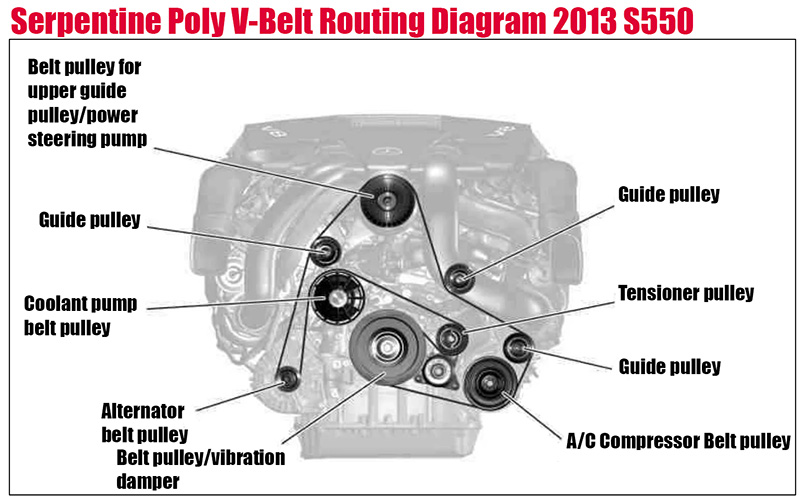
Let's talk about the serpentine belt system on your 2008 Mercedes-Benz S550. This article will provide a detailed understanding of the serpentine belt diagram, its components, function, and troubleshooting tips. This is crucial for DIY repairs, preventative maintenance, and even just understanding the layout of your engine.
Purpose of the Serpentine Belt Diagram
The serpentine belt diagram is essentially a roadmap for your engine's accessory drive system. It illustrates the routing of the serpentine belt – a single, long belt that powers multiple engine components. Without a clear diagram, replacing a worn or broken belt can be a frustrating and potentially damaging process. It’s also vital for identifying potential problems within the system, like misalignment or seized pulleys. Specifically, a diagram helps you:
- Correctly install a new belt: Ensures proper tension and prevents slippage.
- Diagnose belt-related issues: Identify the cause of squealing, noise, or accessory failure.
- Understand component relationships: Visualize how each pulley and accessory interacts.
- Perform preventative maintenance: Inspect components for wear or damage.
Key Specs and Main Parts
The 2008 S550 is equipped with a 5.5L V8 engine (M273). This engine utilizes a single serpentine belt to drive several crucial accessories. Here’s a breakdown of the key components:
Serpentine Belt:
This is the main component, a reinforced rubber belt designed to withstand high temperatures and continuous flexing. Belt length and construction are specific to the M273 engine configuration. Look for markings that indicate the belt size, such as a series of numbers and letters. The correct belt length and width are critical for proper operation. Mismatched belts can cause slippage or damage.
Crankshaft Pulley (Harmonic Balancer):
Located at the bottom of the engine, the crankshaft pulley is directly driven by the engine's rotation. It’s the primary driver of the serpentine belt system. The harmonic balancer dampens torsional vibrations from the crankshaft, protecting the engine. Any wobble or visible damage to this pulley requires immediate attention. A damaged harmonic balancer can cause severe engine damage.
Alternator Pulley:
The alternator generates electrical power for the vehicle. Its pulley is driven by the serpentine belt, converting mechanical energy into electrical energy. If the alternator pulley seizes or becomes difficult to turn, the serpentine belt will squeal or even break. Also, keep an eye on one-way clutch alternators, if so equipped. These need to spin freely one way, but lock up and turn the alternator the other direction.
Power Steering Pump Pulley:
The power steering pump provides hydraulic assistance for steering. Its pulley, driven by the serpentine belt, powers the pump. Leaks from the power steering pump can contaminate the belt, causing slippage and premature wear. Check for leaks regularly.
Air Conditioning Compressor Pulley:
The A/C compressor circulates refrigerant in the air conditioning system. Its pulley is engaged and disengaged by an electromagnetic clutch. A faulty A/C compressor clutch can cause the belt to slip or break. Listening for unusual noises from the compressor when the A/C is engaged can indicate a problem. Watch for the clutch plate not engaging correctly, or burning smells from the compressor.
Idler Pulleys:
These are smooth pulleys used to guide the serpentine belt and maintain proper tension. They don’t drive any specific accessory. Often, these are the first to fail due to worn bearings. Listen for squealing or grinding noises coming from the idler pulleys. Replacing them is inexpensive and can prevent belt failure.
Tensioner Pulley:
The tensioner pulley maintains the correct tension on the serpentine belt. It uses a spring-loaded mechanism to automatically adjust for belt stretch and wear. A weak or faulty tensioner can cause belt slippage, noise, and reduced accessory performance. Inspect the tensioner for smooth movement and adequate tension. If the tensioner is bouncing excessively, it likely needs replacement. Always use the correct size breaker bar to move the tensioner, as over-extension can damage the spring.
Symbols and Lines in the Diagram
Serpentine belt diagrams typically use a standardized set of symbols and lines to represent the components and belt routing. Understanding these symbols is crucial for interpreting the diagram accurately:
- Solid Lines: Represent the path of the serpentine belt. The width of the line may also indicate the belt size.
- Circles: Represent pulleys. The size of the circle may indicate the relative size of the pulley.
- Arrows: Indicate the direction of rotation for each pulley. This is essential for ensuring correct belt routing.
- Dashed Lines (rare): May represent a section of the belt that is hidden or runs behind another component.
- Specific Symbols: Some diagrams may use specific symbols to represent the alternator, power steering pump, A/C compressor, and other components. These symbols are usually labeled in the diagram's legend.
How It Works
The serpentine belt system operates on a simple principle: the rotational force of the engine's crankshaft is transferred to the various accessories via the serpentine belt. The crankshaft pulley, driven by the engine's rotation, turns the serpentine belt. The belt then wraps around each accessory pulley, transferring the rotational force to that accessory. The tensioner pulley maintains the necessary tension on the belt to prevent slippage and ensure efficient power transfer. The idler pulleys guide the belt, ensuring it follows the correct path and doesn't rub against other components. When the belt is correctly routed and properly tensioned, all the accessories receive the necessary power to function correctly. The order of the pulleys, the belt path and the tension are all critical for correct operation.
Real-World Use and Troubleshooting
Here are some common issues you might encounter and how the serpentine belt diagram can help:
- Squealing Belt: Often caused by a loose belt, worn pulleys, or contamination. The diagram helps you identify the source of the noise and check the tensioner's functionality. Check for any obvious signs of glazing or cracking on the belt itself.
- Accessory Failure: If an accessory stops working (e.g., the alternator isn't charging, the power steering isn't working), the diagram can help you trace the belt path to that specific accessory. If the belt is slipping on that pulley, it may indicate a problem with the accessory itself.
- Belt Slippage: Can be caused by a loose belt, worn pulleys, or fluid contamination. The diagram helps you visually confirm the belt path and check for any misaligned pulleys.
- Belt Breaking: Often caused by a worn belt, seized pulleys, or misalignment. The diagram can help you identify the cause of the breakage and prevent future occurrences. Before installing a new belt, ensure all pulleys spin freely and are properly aligned.
Use a serpentine belt tool for installing or removing a belt. This gives you added leverage and keeps your hands away from moving parts.
Safety Considerations
Warning: Working on the serpentine belt system involves potential hazards. Always disconnect the negative battery cable before working on the engine. Never put your hands near the belt or pulleys while the engine is running. Wear safety glasses to protect your eyes from debris.
The crankshaft pulley spins at high speeds and can cause serious injury if contacted. The spring-loaded tensioner can also snap back with considerable force. Be careful not to pinch your fingers. The cooling fan behind the serpentine belt can also cause serious injury if touched while spinning. Ensure the engine is off and cool before performing any work. High-pressure power steering fluid can also cause injury if sprayed on the skin. If you are not comfortable working on the serpentine belt system, it is best to consult a qualified mechanic.
Finally, be careful when dealing with any spilled fluids. Power steering fluid, coolant, and oil can be very slippery.
This article provides a comprehensive overview of the serpentine belt system on your 2008 Mercedes-Benz S550. With a clear understanding of the components, function, and troubleshooting tips, you'll be well-equipped to tackle basic repairs and maintenance. We have a downloadable diagram available. You can find the link to download the serpentine belt diagram [link to diagram would go here, if this was a live webpage]. Good luck with your repairs!