
2009 Scion Tc Serpentine Belt Diagram
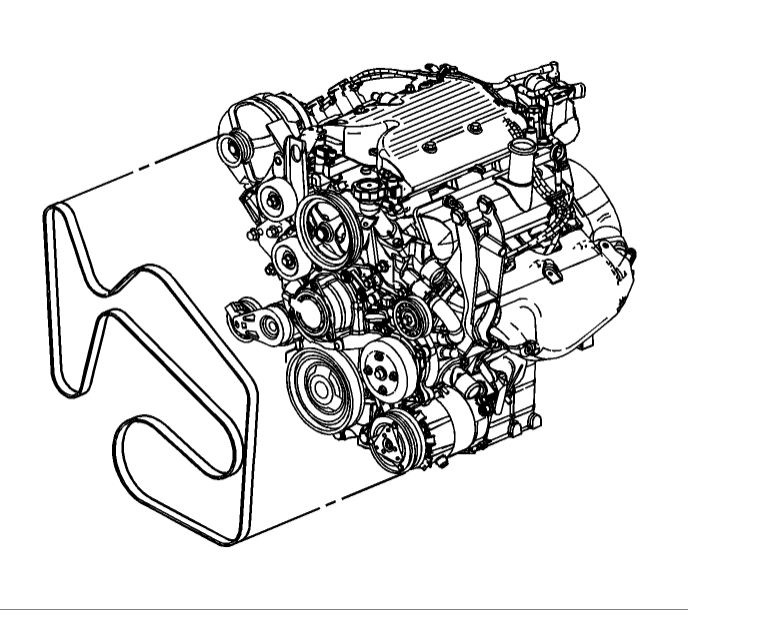
Replacing a serpentine belt on a 2009 Scion tC might seem daunting, but with the right tools and a clear understanding of the belt routing, it's a manageable task for a competent DIY mechanic. This article provides a detailed breakdown of the 2009 Scion tC serpentine belt diagram, offering insights into its purpose, components, functionality, and troubleshooting tips to help you confidently tackle this maintenance procedure.
Purpose of the Serpentine Belt Diagram
The serpentine belt diagram is your roadmap for correctly installing the serpentine belt. It illustrates the precise path the belt must follow around the various engine accessories. Why is this crucial? Well, an incorrectly routed belt can lead to several problems:
- Accessory Malfunction: The belt might slip, causing accessories like the alternator, power steering pump, or A/C compressor to function improperly, or not at all.
- Belt Damage: Incorrect routing can lead to excessive wear, fraying, and premature failure of the belt.
- Engine Damage: In severe cases, a snapped belt can damage other engine components.
This diagram is essential for routine maintenance, like belt replacement due to wear and tear, or after working on related systems, such as the alternator or power steering pump. It's also helpful for understanding the overall layout of the engine bay.
Key Specs and Main Parts of the Serpentine Belt System
The 2009 Scion tC uses a single serpentine belt to drive several engine accessories. Understanding the components involved is key to understanding the diagram.
- Crankshaft Pulley (Harmonic Balancer): This pulley, connected to the engine's crankshaft, is the primary driver of the serpentine belt. Its rotation transfers power to the other accessories.
- Alternator Pulley: The alternator generates electrical power to charge the battery and run the car's electrical systems. The serpentine belt spins this pulley.
- Power Steering Pump Pulley: This pulley drives the power steering pump, which provides hydraulic assistance to the steering system.
- A/C Compressor Pulley: The A/C compressor is responsible for cooling the air in the cabin. The serpentine belt powers this component.
- Idler Pulley(s): Idler pulleys are smooth, unpowered pulleys that guide the belt along its optimal path. They help maintain proper belt tension and prevent interference with other components.
- Tensioner Pulley (Automatic Tensioner): This is a spring-loaded pulley that automatically maintains the correct tension on the serpentine belt. Maintaining proper tension is critical for optimal performance and longevity.
The specific belt length for the 2009 Scion tC can vary slightly depending on the presence or absence of A/C. Always double-check the part number in your owner's manual or with a reputable parts supplier to ensure you have the correct belt.
Understanding Serpentine Belt Diagram Symbols
Serpentine belt diagrams use standard symbols to represent the various components and the belt's routing. Familiarizing yourself with these symbols will make interpreting the diagram much easier.
- Solid Lines: Represent the primary path of the serpentine belt. The belt physically runs along these lines.
- Dotted Lines: Sometimes used to indicate the back side of the belt where it doesn't directly contact the pulley surface. This shows the belt looping behind components.
- Circles: Represent pulleys. The diagram will often label each pulley with an abbreviation indicating its function (e.g., ALT for Alternator, P/S for Power Steering).
- Arrows: Indicate the direction of rotation for each pulley. This is important because the belt must be routed so that each component rotates in the correct direction.
- The Tensioner: May be represented by a spring symbol or a more detailed depiction of the tensioner assembly. The tensioner is critical for proper belt function.
The diagram is typically a simplified representation of the engine bay, so don't expect a photorealistic rendering. Focus on the relative positions of the pulleys and the belt's path between them.
How the Serpentine Belt System Works
The serpentine belt system is a relatively simple, but crucial system. The crankshaft pulley, driven by the engine's rotation, powers the serpentine belt. As the crankshaft pulley spins, it turns the belt, which in turn drives all the accessory pulleys. The tensioner pulley maintains consistent tension on the belt, ensuring it doesn't slip and that each accessory receives adequate power.
The belt's "serpentine" configuration allows it to snake around all the necessary pulleys in a single, continuous loop. This design is more efficient and compact than older systems that used multiple belts.
Real-World Use and Basic Troubleshooting
Here's how the serpentine belt diagram helps with troubleshooting common issues:
- Squealing Noise: A squealing noise, especially upon starting the engine or when using the A/C, is a common symptom of a slipping serpentine belt. Check the belt for wear, cracks, or glazing. Also, inspect the tensioner to ensure it's applying adequate pressure. Use the diagram to confirm the belt is routed correctly.
- Accessory Failure: If a specific accessory (e.g., the A/C compressor) stops working, the serpentine belt might be broken or slipping on that particular pulley. Use the diagram to visually inspect the belt's contact with that pulley.
- Belt Wear: Regularly inspect the belt for signs of wear, such as cracks, fraying, or missing chunks. Replace the belt if any of these conditions are present. Refer to the diagram when installing the new belt.
- Tensioner Issues: A faulty tensioner can cause belt slippage, noise, and premature belt wear. Inspect the tensioner for smooth operation and proper tension. If the tensioner is weak or damaged, replace it.
Important: When replacing the serpentine belt, it's often a good idea to replace the tensioner and idler pulleys as well. These components wear out over time and can contribute to belt problems.
Safety Precautions
Working on the serpentine belt system involves inherent risks. Here are some crucial safety precautions:
- Disconnect the Battery: Before working on any electrical components, disconnect the negative battery cable to prevent accidental shocks.
- Engine Off and Cool: Never work on the serpentine belt system while the engine is running or hot. Allow the engine to cool completely before starting any repairs.
- Keep Hands Clear: Be extremely careful to keep your hands, clothing, and tools clear of the moving belt and pulleys when the engine is running (only necessary for diagnostic purposes).
- Eye Protection: Wear safety glasses to protect your eyes from debris.
- The Tensioner: The tensioner is under considerable spring tension. Use the correct tool to relieve the tension and avoid injury. A serpentine belt tool is specifically designed for this purpose. Releasing the tension incorrectly can cause the tensioner to snap back forcefully.
Remember, if you're not comfortable performing this repair yourself, it's always best to consult a qualified mechanic.
With this comprehensive guide, you should now have a solid understanding of the 2009 Scion tC serpentine belt diagram and its practical applications. You can confidently use this knowledge to diagnose problems, perform maintenance, and keep your Scion tC running smoothly.
We have a high-resolution file of the 2009 Scion tC Serpentine Belt Diagram available for download. This diagram provides a clear and detailed visual aid for your repair and maintenance tasks.