
2010 Dodge Grand Caravan Serpentine Belt Diagram
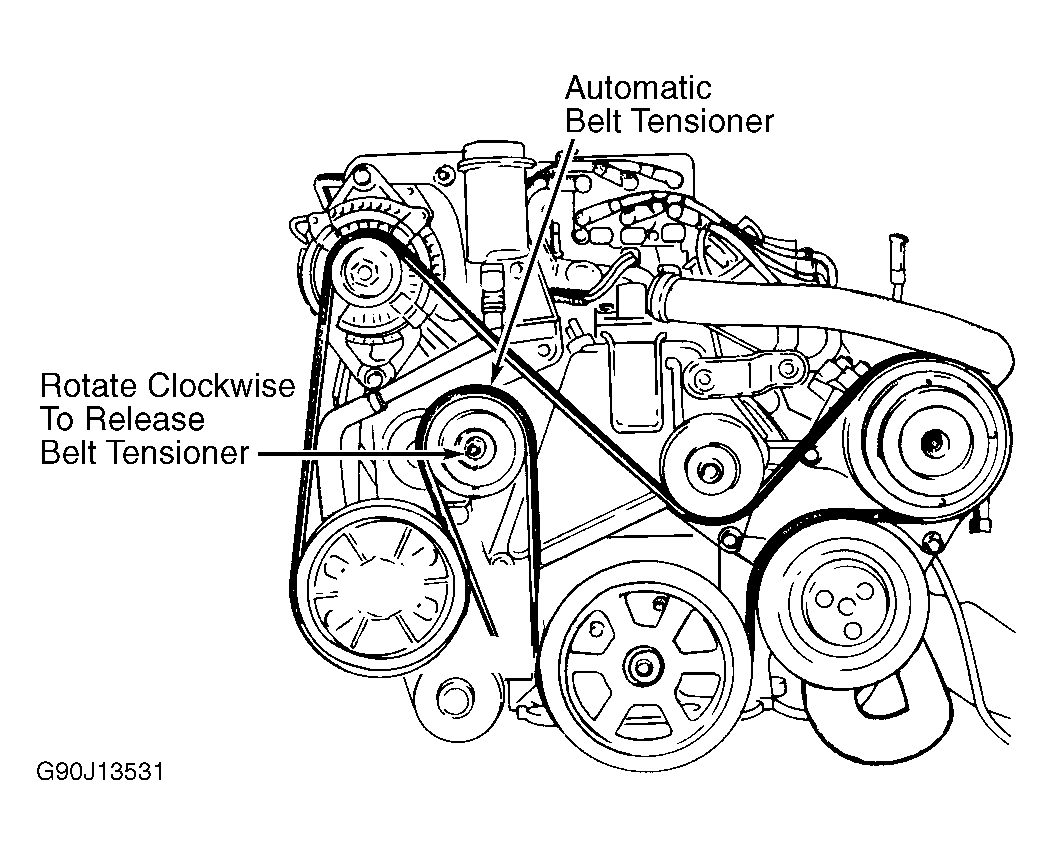
For the experienced DIYer tackling engine maintenance on a 2010 Dodge Grand Caravan, understanding the serpentine belt system is crucial. This article provides a detailed explanation of the serpentine belt diagram for this specific model year, covering its purpose, components, functionality, and troubleshooting tips. Having a solid grasp of this system will empower you to perform routine maintenance, diagnose issues, and potentially save a significant amount of money on repair costs. We even have a downloadable diagram available for your convenience.
Purpose of the Serpentine Belt Diagram
The serpentine belt diagram serves as a visual roadmap of the engine's accessory drive system. Its primary purpose is to show the exact routing of the serpentine belt around various engine components. This is essential for several reasons:
- Correct Belt Installation: Ensuring the belt is routed correctly is paramount. Incorrect routing can lead to component malfunction, belt slippage, and potential engine damage.
- Troubleshooting: The diagram helps identify potential issues, such as misaligned pulleys or worn components, by allowing you to visually inspect the belt's path and its contact with each pulley.
- Replacement: When replacing the serpentine belt, the diagram provides a reliable reference to ensure proper installation of the new belt.
- Learning the System: Understanding the belt's path allows you to learn how the accessories are driven and how they interact with the engine.
Key Specs and Main Parts
The 2010 Dodge Grand Caravan typically came with a 3.3L V6, 3.8L V6, or a 4.0L V6 engine. Each engine uses a slightly different serpentine belt routing, so referring to the correct diagram specific to your engine type is critical. Common components in the serpentine belt system include:
- Crankshaft Pulley: Driven directly by the engine, this pulley is the power source for the entire accessory drive system.
- Alternator Pulley: The alternator generates electricity to power the vehicle's electrical system and charge the battery.
- Power Steering Pump Pulley: The power steering pump provides hydraulic pressure to assist with steering.
- Air Conditioning Compressor Pulley: The A/C compressor is responsible for cooling the cabin air.
- Idler Pulley(s): These pulleys provide tension and guide the belt along its proper path. They don't drive any accessories.
- Tensioner Pulley: This spring-loaded pulley automatically adjusts to maintain the correct tension on the serpentine belt, preventing slippage and premature wear. The tensioner often has a square hole for a breaker bar or wrench to relieve tension during belt installation or removal.
The serpentine belt itself is a long, continuous belt made of reinforced rubber. The inside surface is typically grooved to match the grooves on the pulleys, providing a secure grip.
Symbols and Diagram Conventions
Serpentine belt diagrams utilize specific symbols and conventions to convey information clearly:
- Solid Lines: Represent the path of the serpentine belt.
- Arrows: Indicate the direction of belt rotation around each pulley.
- Circles: Represent pulleys. Each circle will usually be labeled with the component it belongs to (e.g., ALT for alternator, P/S for power steering).
- Icons: Some diagrams may use simplified icons to represent the various components (e.g., a small fan icon for the A/C compressor).
- Different Line Styles (Less Common): Some advanced diagrams might use dashed or dotted lines to indicate the back side of the belt (the smooth side) making contact with a pulley.
How It Works
The serpentine belt system is designed for efficient and reliable power transmission. The engine's crankshaft provides the initial rotational force. The crankshaft pulley, connected to the crankshaft, drives the serpentine belt. As the belt rotates, it transfers this rotational force to each accessory pulley. Each accessory, such as the alternator, power steering pump, and A/C compressor, requires this rotational force to function. The tensioner pulley plays a vital role in maintaining the correct belt tension, ensuring that the belt grips the pulleys effectively without excessive slippage or wear.
Think of it like this: the crankshaft is the engine's 'heart,' and the serpentine belt is the 'vein' that supplies power to the accessories that keep the car functioning comfortably and safely.
Real-World Use and Basic Troubleshooting
Here are some common problems and troubleshooting tips related to the serpentine belt system:
- Squealing Noise: This is often a sign of a loose or worn serpentine belt. Check the belt tensioner for proper function and inspect the belt for cracks, glazing, or missing ribs.
- Belt Slippage: Slippage can occur due to a loose belt, worn pulleys, or oil contamination. Inspect the belt and pulleys for signs of wear and ensure the belt tensioner is working correctly. Clean any oil or debris from the belt and pulleys.
- Cracked or Worn Belt: Regularly inspect the serpentine belt for signs of cracking, fraying, or excessive wear. A worn belt can break unexpectedly, leaving you stranded. Replace the belt as part of your regular maintenance schedule.
- Component Failure: If an accessory, such as the alternator or power steering pump, fails, it can put excessive strain on the serpentine belt. Diagnose and repair any faulty components promptly.
- Difficulty Steering: Check the condition of the belt, since it drives the power steering pump.
When troubleshooting, always refer to the serpentine belt diagram to ensure you're inspecting the correct components and the belt is routed properly.
Safety Precautions
Working on the serpentine belt system involves inherent risks. Here are some important safety precautions:
- Disconnect the Negative Battery Cable: This prevents accidental starting of the engine while you're working on the system.
- Allow Engine to Cool: The engine components can be extremely hot, especially after running. Allow the engine to cool completely before working on the system.
- Keep Hands and Clothing Clear: Moving engine parts can cause serious injury. Keep your hands, clothing, and tools clear of the serpentine belt and pulleys while the engine is running or when turning the crankshaft manually. The crankshaft pulley is particularly dangerous, due to its location and speed.
- Wear Safety Glasses: Protect your eyes from debris and fluids.
- Use Proper Tools: Use the correct tools for the job to avoid damaging the components or injuring yourself.
- Consult a Professional: If you are unsure about any aspect of the repair, consult a qualified mechanic.
Obtaining the Diagram
Having a clear and accurate serpentine belt diagram for your specific 2010 Dodge Grand Caravan engine is essential for successful maintenance and repairs. We have a high-resolution diagram available for download. Remember to verify the diagram matches your engine configuration before using it. Use of the wrong diagram can lead to misrouting and potential damage.
We hope this detailed explanation of the 2010 Dodge Grand Caravan serpentine belt diagram has been helpful. With a little knowledge and the right tools, you can confidently tackle this aspect of vehicle maintenance and ensure your Grand Caravan continues to run smoothly for years to come. Good luck!