
2010 Toyota Tundra 4.6 Serpentine Belt Diagram
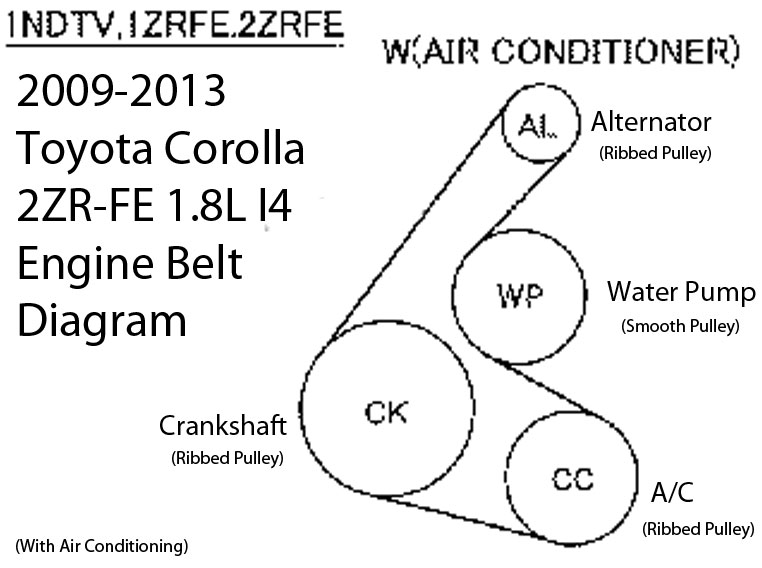
Alright, let's dive into the serpentine belt system on your 2010 Toyota Tundra with the 4.6L engine. Understanding this system is crucial for maintenance, troubleshooting, and even performance upgrades. This article will provide a detailed explanation of the serpentine belt diagram, empowering you to confidently tackle related repairs and modifications. We'll cover everything from the belt's route to potential problems and how to address them safely.
Purpose of the Serpentine Belt Diagram
Why bother with a diagram? Well, the serpentine belt diagram serves as your roadmap for the engine's accessory drive system. Its primary purpose is to illustrate the precise routing of the serpentine belt around various components. This is essential for several reasons:
- Belt Replacement: When replacing a worn or damaged belt, the diagram ensures you install the new one correctly. Incorrect routing can lead to component damage, premature belt wear, and engine failure.
- Troubleshooting: If you hear squealing noises or notice accessories not functioning properly, the diagram helps you identify the potential source of the problem. It allows you to inspect each component the belt drives.
- Accessory Repair/Replacement: When replacing an accessory like the alternator or power steering pump, the diagram aids in disconnecting and reconnecting the belt properly.
- Understanding the System: For DIY enthusiasts and those wanting to learn more about their truck, the diagram provides a visual representation of how the accessories are driven by the engine.
Key Specs and Main Parts
The 2010 Tundra 4.6L uses a single serpentine belt to drive multiple engine accessories. Here are the key components involved:
- Serpentine Belt: A single, long, ribbed belt made of reinforced rubber. The exact belt length and material specifications vary depending on the manufacturer but are crucial for proper tension and operation. Using the correct belt is essential.
- Crankshaft Pulley (Harmonic Balancer): Bolted to the crankshaft, this pulley is the driving force behind the entire system. Engine rotation is transferred from here to the belt.
- Alternator Pulley: The alternator generates electricity to power the vehicle's electrical system and charge the battery.
- Power Steering Pump Pulley: The power steering pump provides hydraulic pressure to assist steering.
- Air Conditioning Compressor Pulley: The A/C compressor circulates refrigerant to cool the cabin.
- Water Pump Pulley: The water pump circulates coolant to regulate engine temperature.
- Idler Pulley(s): These pulleys are smooth and non-driven. They guide the belt and maintain proper tension. The diagram will show how many idler pulleys your engine uses.
- Tensioner Pulley: This spring-loaded pulley automatically adjusts belt tension, compensating for wear and temperature changes. This is a critical component for reliable operation.
Symbols and Markings on the Diagram
The diagram itself usually employs several symbols to convey information effectively. Knowing what these mean is vital for accurate interpretation.
- Solid Lines: Typically represent the path of the serpentine belt. Follow these lines carefully to ensure proper routing.
- Dashed Lines: Might indicate the back (smooth) side of the belt contacting a pulley. This is important to differentiate from the ribbed side contact.
- Arrows: Show the direction of belt rotation around each pulley. Pay attention to these, especially on pulleys like the tensioner and idler pulleys where the direction isn't intuitively obvious.
- Component Icons: The diagram will often use simplified icons to represent each component (alternator, power steering pump, etc.). These make it easier to identify the pulleys.
- Tensioner Indicator: The tensioner often has a marker indicating the acceptable range of movement. The diagram might highlight this area to ensure the tensioner is functioning correctly. If the indicator is outside of its range, this can mean a worn belt or a faulty tensioner.
How It Works: The Serpentine System in Action
The serpentine system is relatively straightforward. The crankshaft pulley, driven by the engine's rotation, turns the serpentine belt. The belt, in turn, wraps around and drives the pulleys of the various engine accessories. The tensioner pulley maintains constant tension on the belt, ensuring proper grip and preventing slippage.
The key to the system's efficiency lies in the single-belt design. This eliminates the need for multiple belts, simplifying maintenance and reducing the risk of failure. However, this also means that a failure in one component or the belt itself can affect all accessories.
Real-World Use: Troubleshooting Tips
Understanding the serpentine belt diagram can greatly assist in diagnosing common problems:
- Squealing Noise: Often caused by a slipping belt. Inspect the belt for wear, cracks, or glazing. Also, check the tensioner to see if it's functioning correctly. Use the diagram to visually inspect the belt's routing and verify that it's properly seated on each pulley.
- Accessory Failure: If an accessory (e.g., power steering) stops working, check the belt's condition and routing. If the belt is intact, the problem likely lies within the accessory itself. But always verify that the pulley for that accessory is actually spinning with the belt.
- Belt Wear: Inspect the belt regularly for signs of wear, such as cracks, fraying, or missing ribs. Replace the belt if any of these are present. Using the diagram, make sure the belt is aligned and tracking correctly on each pulley.
- Tensioner Issues: A faulty tensioner can cause belt slippage, noise, and premature belt wear. Check the tensioner for smooth movement and proper tension. Refer to the diagram to locate the tensioner and visually inspect its operation.
Safety Precautions
Working on the serpentine belt system can be dangerous if proper precautions aren't taken.
- Disconnect the Battery: Before working on the system, disconnect the negative battery cable to prevent electrical shocks.
- Engine Off and Cool: Never work on the system while the engine is running or hot. Allow the engine to cool completely before starting any repairs.
- Wear Safety Glasses: Protect your eyes from debris.
- Keep Hands Clear: Be extremely careful when working near rotating components. Keep your hands and clothing clear of the belt and pulleys when the engine is running. Even at idle, the belt system can inflict serious injury.
- Tensioner Tool: Use the correct tool to relieve tension on the belt. Never attempt to pry the belt off the pulleys.
- Follow Torque Specs: When reinstalling components, use a torque wrench and tighten bolts to the manufacturer's specifications.
The serpentine belt system is a vital part of your 2010 Toyota Tundra 4.6L. By understanding the diagram and following proper safety procedures, you can confidently perform maintenance and repairs. Don't be afraid to tackle these tasks yourself - with a little knowledge and the right tools, you can save time and money.
And remember, we have the complete 2010 Toyota Tundra 4.6L serpentine belt diagram available for you to download. This will give you a detailed reference for all your maintenance and repair needs. Just let us know, and we'll send it right over!