
2012 Acura Tl Serpentine Belt Diagram
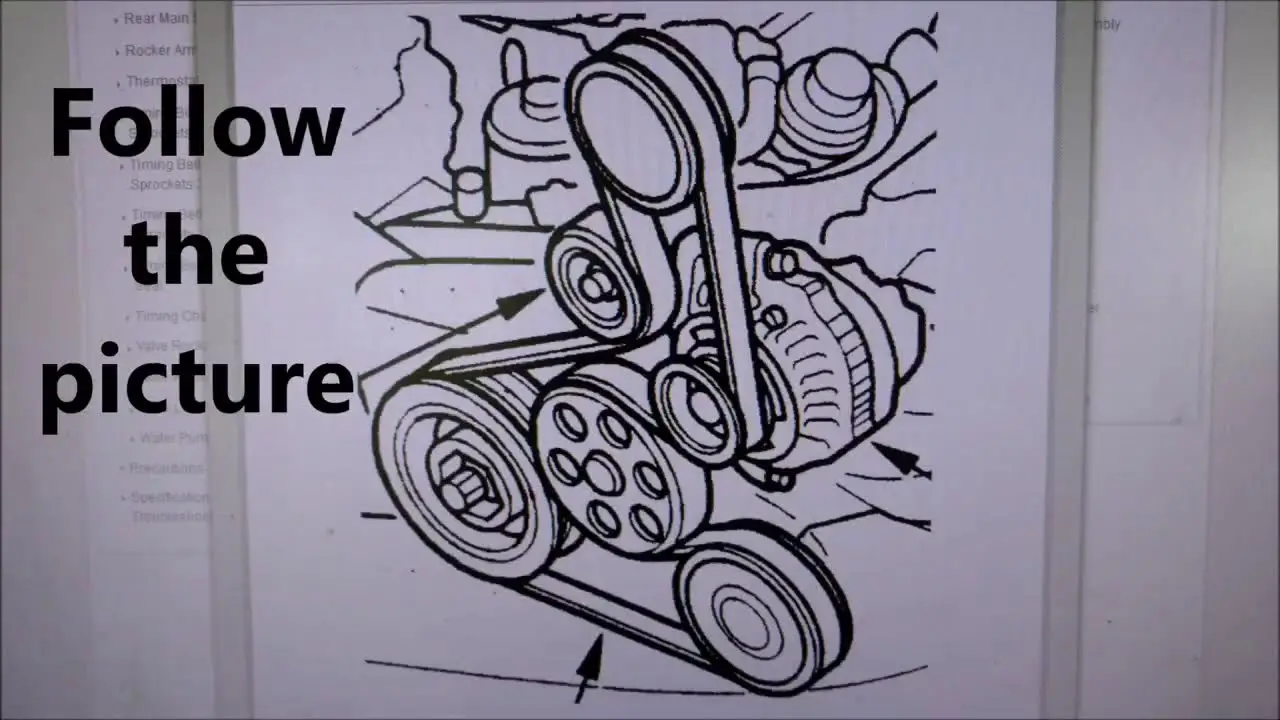
Welcome, fellow wrenchers! Today, we're diving into a crucial component of your 2012 Acura TL's engine: the serpentine belt system. This guide provides a detailed look at the serpentine belt diagram, why it's essential for maintaining your TL, and how to interpret it like a pro. Whether you're tackling a repair, performing preventative maintenance, or simply expanding your automotive knowledge, understanding this diagram is a significant step.
Purpose: The Serpentine Belt Diagram - Your Roadmap to Reliability
The serpentine belt diagram is essentially a map of the belt's routing through the engine bay. It illustrates the path the belt takes, connecting and driving various engine components. It's indispensable for several reasons:
- Repair and Replacement: If your serpentine belt breaks or needs replacement, the diagram is critical for ensuring you route the new belt correctly. Incorrect routing can lead to component failure, overheating, and even engine damage.
- Troubleshooting: The diagram can help you identify the source of squealing noises, which often indicate a worn belt, a misaligned pulley, or a failing component like the alternator or power steering pump.
- Maintenance: Periodic inspection of the belt and its routing can prevent catastrophic failures and keep your TL running smoothly. Having the diagram handy helps you visualize the entire system and spot potential issues before they escalate.
- Learning: Understanding the diagram promotes a deeper comprehension of how the engine's auxiliary systems operate. It allows you to visualize the interdependence of components and grasp the bigger picture of engine functionality.
Key Specs and Main Parts: What Makes the System Tick?
Let's identify the key components driven by the serpentine belt in a 2012 Acura TL. Keep in mind that the 3.5L V6 (J35Z6 engine) is the most common engine for this model year, and our discussion will focus on that setup.
- Crankshaft Pulley (Damper): Located at the bottom of the engine, this pulley is directly connected to the crankshaft and provides the rotational power to drive the belt. It's also a damper, designed to absorb torsional vibrations from the engine.
- Alternator Pulley: The alternator generates electricity to power your car's electrical system and charge the battery. The serpentine belt spins the alternator's rotor to create this electricity.
- Power Steering Pump Pulley: This pulley drives the power steering pump, which provides hydraulic pressure to assist with steering.
- Air Conditioning (A/C) Compressor Pulley: The A/C compressor circulates refrigerant to cool the cabin air. The serpentine belt drives this compressor.
- Idler Pulley(s): These are smooth, bearing-mounted pulleys that guide the belt and maintain proper tension. They don't drive any components.
- Tensioner Pulley: The tensioner pulley is spring-loaded and automatically adjusts the belt tension to ensure optimal performance and prevent slippage. It's a critical component; a failing tensioner can cause the belt to slip, wear prematurely, or even break.
Key Specs: The length and width of the serpentine belt are critical. Using the wrong size belt can lead to improper tension, slippage, and component damage. While the exact dimensions vary slightly depending on the specific TL model and equipment (e.g., with or without A/C), you can find the correct belt specification in your owner's manual or by using an online parts catalog that requests your vehicle's VIN (Vehicle Identification Number).
Symbols: Deciphering the Diagram
Understanding the symbols used in the serpentine belt diagram is crucial for accurate interpretation. Here's a breakdown of common symbols:
- Solid Lines: These represent the path of the serpentine belt. The thicker the line, the more prominent or critical that section of the belt's path might be.
- Arrows: Arrows indicate the direction of belt travel around each pulley. Pay close attention to the direction, as incorrect routing can reverse the rotation of components, leading to damage.
- Component Icons: Each component is represented by a symbol, such as a circle with a fan for the alternator, a steering wheel for the power steering pump, and a snowflake for the A/C compressor.
- Labels: Each component will be labeled with abbreviations like "ALT" for alternator, "P/S" for power steering, "A/C" for air conditioning, "CRANK" for the crankshaft pulley, "IDLER" for the idler pulley, and "TENSIONER" for the tensioner pulley.
- Dotted Lines: Some diagrams use dotted lines to indicate the back side of the belt routing, clarifying how the belt wraps around pulleys.
How It Works: Power Transmission in Action
The serpentine belt system is a brilliant example of efficient power transmission. The engine's crankshaft spins the crankshaft pulley, which in turn drives the serpentine belt. The belt, made of durable rubber and reinforced with cords, transfers this rotational force to the various accessory pulleys. The tensioner pulley maintains optimal belt tension, preventing slippage and ensuring efficient power transfer. The idler pulleys guide the belt along the correct path, preventing it from rubbing against other components or itself.
Synchronization: Note that the belt ensures all components are synchronized to the crankshaft's rotation, which is crucial for the proper functioning of each system. For instance, the alternator needs to spin at a certain speed to generate sufficient electricity, and the A/C compressor needs to operate at the correct speed to provide optimal cooling.
Real-World Use: Troubleshooting and Maintenance
Here are some common scenarios where understanding the serpentine belt diagram is invaluable:
- Squealing Noise: A squealing noise often indicates a slipping belt. Check the belt for wear, cracks, and glazing. Inspect the tensioner pulley for proper tension. Use the diagram to verify the belt is routed correctly and that all pulleys are aligned. If the belt is new and still squeals, the tensioner might be weak or a pulley bearing might be failing.
- Belt Breakage: If the belt breaks, carefully inspect the pulleys for damage. A seized pulley can cause excessive stress on the belt, leading to breakage. Before installing a new belt, ensure all pulleys spin freely. Use the diagram to properly route the new belt.
- Component Failure: If a component driven by the serpentine belt, such as the alternator or power steering pump, fails, the diagram helps you understand how that component relates to the rest of the system. This can aid in diagnosis and repair.
- Preventative Maintenance: Regularly inspect the belt for wear and tear. Replace the belt according to the manufacturer's recommended interval (typically every 60,000 to 100,000 miles). Check the tensioner pulley for proper operation. A proactive approach can prevent costly breakdowns.
Safety: Proceed with Caution
Working on the serpentine belt system can be hazardous. Here are some crucial safety precautions:
- Disconnect the Battery: Always disconnect the negative battery terminal before working on any electrical components. This prevents accidental shorts and potential injury.
- Engine Cooling: Ensure the engine is completely cool before working near the belt. Hot components can cause burns.
- Moving Parts: Never put your hands or tools near the serpentine belt while the engine is running. The rotating pulleys can cause serious injury.
- Tensioner Spring: The tensioner pulley is spring-loaded and can snap back with considerable force when released. Use the appropriate tool (usually a wrench or socket) to relieve the tension gradually and safely.
- Eye Protection: Wear safety glasses to protect your eyes from debris.
Important Note: The crankshaft pulley is connected directly to the engine's rotating assembly. Tampering with this pulley or its associated components without proper knowledge and tools can lead to serious engine damage. If you are uncomfortable working on this system, it is best to consult a qualified mechanic.
We have the file with the 2012 Acura TL Serpentine Belt Diagram that will assist you with your repairs. Please download the diagram and use it as a visual aid.