
2012 Chevy Cruze Coolant System Diagram
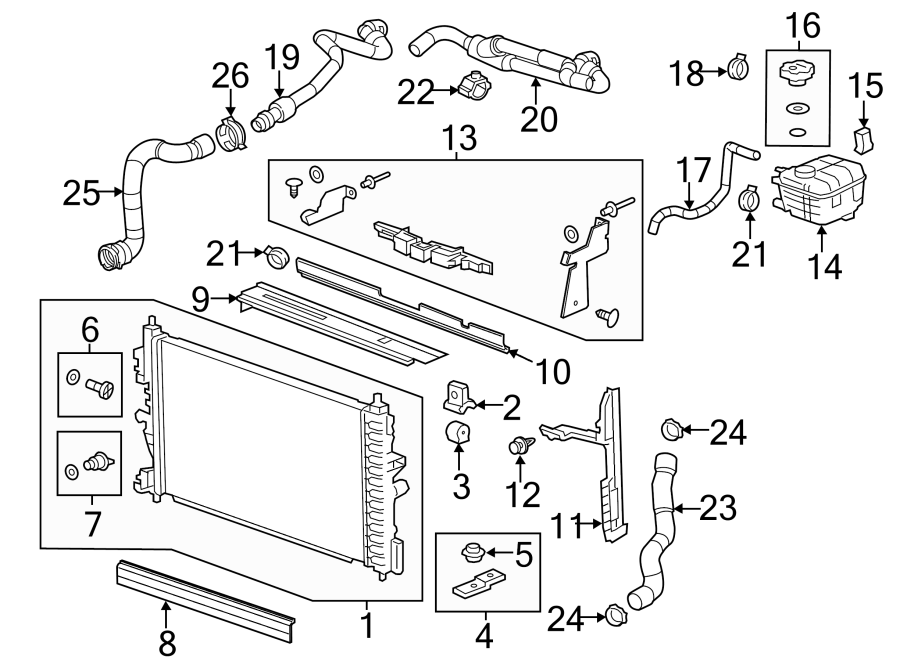
For the seasoned DIY mechanic or the ambitious car enthusiast, understanding your vehicle's cooling system is paramount. Today, we're diving deep into the 2012 Chevy Cruze coolant system diagram. This isn't just about identifying parts; it's about empowering you to diagnose issues, perform maintenance, and even potentially improve your car's performance.
Purpose of the Coolant System Diagram
Why bother with a coolant system diagram? The answer is multifaceted. Firstly, it's your roadmap for repairs. When you're dealing with leaks, overheating, or a faulty water pump, the diagram lets you pinpoint the exact location of the issue and identify the components involved. Secondly, it aids in maintenance. Proper coolant flushes, hose inspections, and thermostat replacements become significantly easier when you have a clear visual guide. Finally, it’s crucial for learning and modification. Understanding the flow of coolant and the function of each component allows you to experiment with modifications (within safe parameters, of course) and improve the overall cooling efficiency of your Cruze. Thinking about a larger radiator or an upgraded water pump? The diagram is your friend.
Key Specs and Main Parts of the 2012 Chevy Cruze Coolant System
Let's break down the crucial components of the 2012 Cruze's cooling system. Knowing these parts by name and function is half the battle. Note that these can vary slightly based on engine type (1.4L turbo vs. 1.8L naturally aspirated), but the core principles remain the same.
- Radiator: This is the primary heat exchanger. Hot coolant flows through its core, and air passing through the fins dissipates the heat.
- Water Pump: The heart of the system, the water pump circulates the coolant throughout the engine block, head, radiator, and heater core.
- Thermostat: This valve regulates the coolant temperature. It remains closed when the engine is cold, allowing it to warm up quickly. Once the engine reaches its operating temperature (usually around 195°F or 90°C), the thermostat opens, allowing coolant to flow to the radiator.
- Coolant Reservoir/Expansion Tank: This tank provides a place for the coolant to expand as it heats up. It also acts as a reservoir to replenish coolant lost through minor leaks or evaporation.
- Heater Core: Located inside the car's dashboard, the heater core is a small radiator that provides heat to the cabin.
- Hoses: These rubber or silicone hoses connect all the components of the cooling system. They carry the coolant under pressure, so they need to be in good condition. Pay special attention to the upper and lower radiator hoses.
- Cooling Fan(s): These fans draw air through the radiator, increasing its cooling capacity, especially when the car is stationary or moving slowly. The Cruze often has one or two fans depending on options.
- Temperature Sensors: These sensors monitor the coolant temperature and send signals to the engine control unit (ECU). The ECU uses this information to adjust the engine's timing, fuel mixture, and fan operation.
Understanding Coolant System Diagram Symbols
Diagrams aren't just pretty pictures; they communicate information through standardized symbols. Here's what you'll likely encounter in the 2012 Cruze coolant system diagram:
- Lines: Solid lines usually represent coolant hoses or pipes. Dashed lines often indicate vacuum lines or electrical wiring. The thickness of the line can sometimes indicate the diameter of the hose.
- Arrows: These indicate the direction of coolant flow. Follow the arrows to understand how the coolant circulates through the system.
- Colors: While not always present, some diagrams use colors to differentiate between different types of lines or components. For example, blue might represent coolant lines, while red might represent hot coolant lines.
- Icons: Common icons include:
- Radiator: A rectangular shape with vertical lines representing the cooling fins.
- Water Pump: A circular shape with a propeller symbol inside.
- Thermostat: A valve symbol.
- Coolant Reservoir: A rectangular or cylindrical shape with a cap.
- Sensors: Small squares or circles with lines connecting them to the wiring harness.
How the 2012 Chevy Cruze Coolant System Works
The 2012 Cruze's coolant system operates on a simple principle: heat exchange. The water pump forces coolant through the engine block and cylinder head, absorbing heat generated by combustion. The hot coolant then flows to the radiator, where the heat is dissipated into the atmosphere. The cooled coolant returns to the engine to repeat the cycle.
The thermostat is the key to maintaining optimal engine temperature. When the engine is cold, the thermostat remains closed, restricting coolant flow to the radiator. This allows the engine to warm up quickly, which reduces emissions and improves fuel economy. Once the engine reaches its operating temperature, the thermostat opens, allowing coolant to flow to the radiator and maintain a stable temperature.
The coolant reservoir acts as an expansion tank, accommodating the changes in coolant volume as the temperature fluctuates. It also allows air to bleed out of the system, preventing air pockets from forming. Finally, the heater core uses hot coolant to provide heat to the cabin.
Real-World Use: Basic Troubleshooting Tips
The coolant system diagram is invaluable when troubleshooting cooling system problems. Here are a few common issues and how the diagram can help:
- Overheating: Use the diagram to check the coolant level, inspect the radiator for blockages, and verify the thermostat is opening properly. Look for leaks around hoses and connections. A non-functioning water pump or cooling fan can also cause overheating.
- Coolant Leaks: The diagram helps you trace the coolant lines and identify the source of the leak. Common leak areas include the radiator, water pump, hoses, and thermostat housing. Check hose clamps for tightness.
- No Heat: If the heater isn't working, check the coolant level and inspect the heater hoses for obstructions. A clogged heater core or a faulty blend door actuator can also cause this issue.
- Low Coolant Level: A constantly low coolant level indicates a leak. Use the diagram to inspect all coolant lines and components for signs of leakage. Remember to check the oil for signs of coolant contamination (milky appearance), which could indicate a head gasket leak.
Safety Considerations
Working on the cooling system involves certain risks. Hot coolant can cause severe burns. Always allow the engine to cool down completely before opening the radiator cap or working on any part of the cooling system. Pressurized coolant can spray out unexpectedly, so wear eye protection and gloves. Properly dispose of used coolant, as it is toxic to humans and animals. The thermostat housing and radiator cap can be particularly risky when the engine is hot due to the pressurized coolant.
Always consult your vehicle's service manual for specific procedures and torque specifications.
We have a detailed 2012 Chevy Cruze coolant system diagram file ready for you. Download it to get a clear, visual guide to your vehicle's cooling system. This will be extremely helpful when diagnosing problems or performing repairs. Remember to always prioritize safety when working on your vehicle.