
2012 Chrysler 200 3.6 Serpentine Belt Diagram
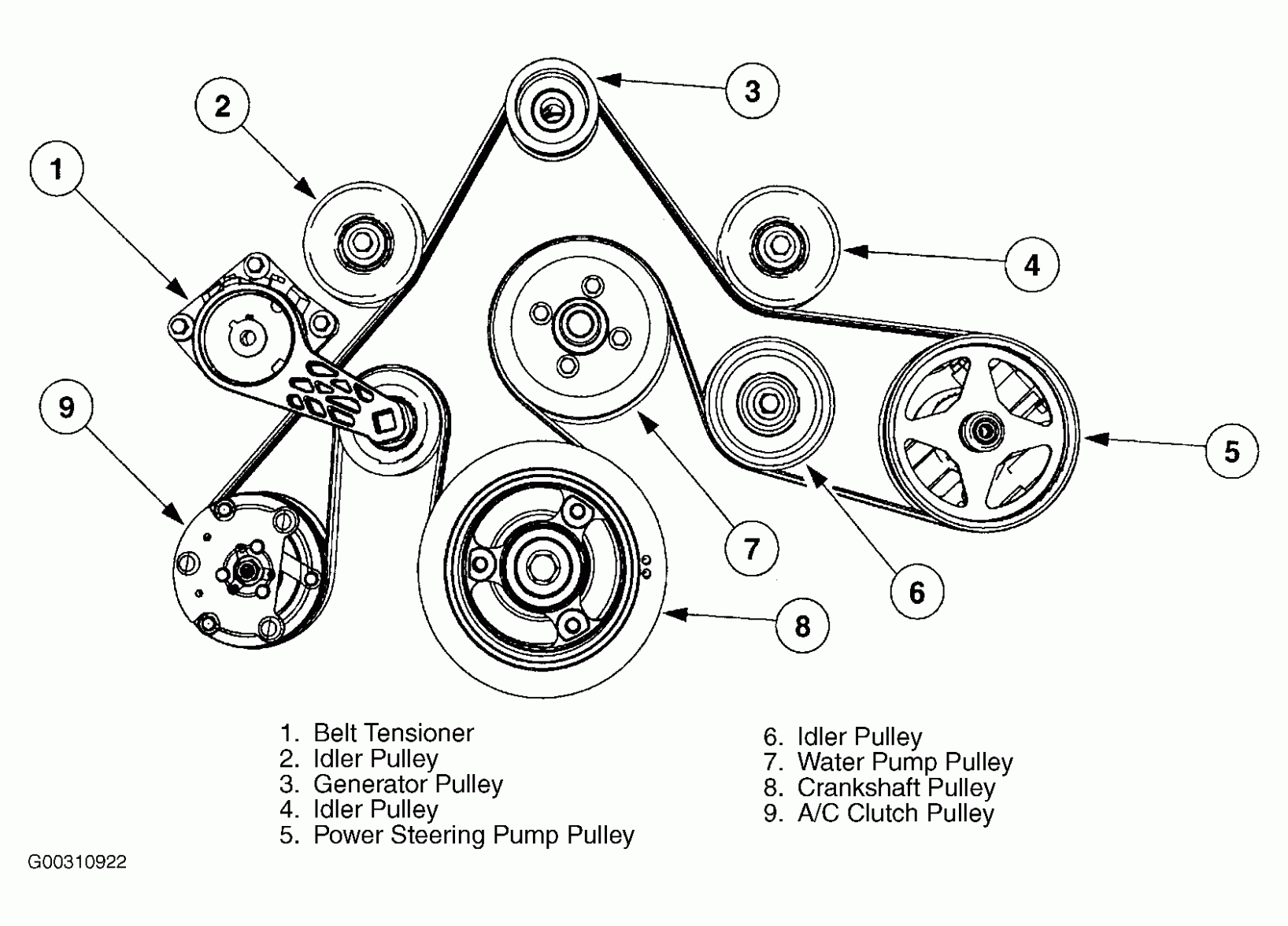
Alright, let's dive into the serpentine belt system on a 2012 Chrysler 200 with the 3.6L Pentastar engine. Understanding this system is crucial for various reasons, from routine maintenance and preventative repairs to diagnosing annoying squeals and, of course, replacing a worn-out or broken belt. Think of this as your detailed roadmap for navigating the belt path and understanding how all the accessories hang together.
Purpose of Understanding the Serpentine Belt Diagram
Why bother with the diagram? Several key reasons:
- Belt Replacement: This is the most obvious. A worn or cracked serpentine belt can leave you stranded. The diagram ensures you route the new belt correctly. Incorrect routing leads to accessory malfunction and potential engine damage.
- Troubleshooting Accessory Issues: If your power steering is weak, your AC isn't blowing cold, or your alternator isn't charging, the serpentine belt and its associated components are prime suspects. The diagram helps you visualize the system and isolate the problem area.
- Preventative Maintenance: Knowing the belt's path allows you to inspect it thoroughly for wear and tear. Catching problems early can save you a lot of hassle and money down the road.
- Understanding the System: Simply knowing how your engine's accessories are driven can increase your overall automotive knowledge and make you a more confident DIYer.
Key Specs and Main Parts of the 2012 Chrysler 200 3.6L Serpentine Belt System
Before we get to the diagram itself, let's cover the essential components:
- Serpentine Belt: The star of the show. This is a single, long belt that snakes around multiple pulleys, driving various engine accessories. It's typically made of reinforced rubber, designed to withstand high temperatures and constant flexing.
- Crankshaft Pulley (or Damper): Connected directly to the crankshaft, this pulley is the driving force of the entire system. The engine's rotational energy is transferred to the belt via this pulley.
- Alternator Pulley: The alternator is responsible for charging the battery and providing power to the electrical system. The serpentine belt spins the alternator pulley, generating electricity.
- Power Steering Pump Pulley: This pulley drives the power steering pump, which provides hydraulic assistance for steering.
- Air Conditioning Compressor Pulley: The AC compressor is responsible for cooling the refrigerant in the AC system. The belt spins this pulley to compress the refrigerant.
- Idler Pulley(s): These are smooth pulleys that serve as guides for the belt, maintaining proper tension and preventing it from rubbing against other components. The 2012 Chrysler 200 3.6L typically has at least one idler pulley.
- Tensioner Pulley: This is a spring-loaded pulley that automatically maintains the correct tension on the serpentine belt. It's crucial for proper accessory function and belt life. A weak tensioner can cause belt slippage and squealing.
Deciphering the Serpentine Belt Diagram: Symbols and Conventions
A serpentine belt diagram isn't just a random collection of lines and circles. It uses specific symbols and conventions to convey information clearly. Here's what you need to know:
- Solid Lines: These represent the serpentine belt itself. The path of the line indicates the route the belt takes around the various pulleys.
- Pulleys: These are typically represented as circles. Some diagrams may label each pulley with its corresponding component (e.g., "ALT" for alternator, "P/S" for power steering).
- Arrows: Arrows indicate the direction of rotation of each pulley. This is important for understanding how the accessories are driven.
- Tensioner Location: The tensioner pulley is usually indicated by a symbol suggesting its spring-loaded mechanism. Look for a small spring or a dashed line near the tensioner pulley in the diagram.
- Ribbed vs. Smooth: The diagram typically illustrates whether the belt contacts the pulley on the ribbed side (grooved side) or the smooth side. Understanding this is important when inspecting belt contact and wear.
How the Serpentine Belt System Works
The operation is relatively straightforward. The crankshaft pulley, driven by the engine, transfers rotational force to the serpentine belt. The belt, in turn, wraps around the pulleys of the various accessories (alternator, power steering pump, AC compressor, etc.), causing them to rotate and perform their respective functions. The tensioner pulley maintains the proper tension on the belt, ensuring adequate grip and preventing slippage. The idler pulley(s) guide the belt and prevent it from contacting other engine components, ensuring a smooth, efficient path.
A properly tensioned belt with good grip ensures that all accessories are powered correctly. A loose or worn belt will slip, resulting in reduced performance or failure of the accessories. This can manifest as dim headlights, weak power steering, or poor AC performance.
Real-World Use and Basic Troubleshooting Tips
Here are some common scenarios where the serpentine belt diagram becomes your best friend:
- Squealing Noise: A squealing noise, especially when the engine is first started or under load, is often a sign of a slipping serpentine belt. Check the belt tension and condition. Use the diagram to ensure the belt is routed correctly. Misalignment can also cause squealing.
- Accessory Malfunction: If an accessory isn't working correctly (e.g., AC not blowing cold), check the serpentine belt first. A broken or slipped belt could be the culprit. The diagram will show you which accessories are driven by the belt.
- Belt Inspection: Regularly inspect the serpentine belt for cracks, fraying, or missing ribs. Use the diagram to identify the optimal inspection points. Look for signs of excessive wear near the pulleys.
- Installation Errors: After replacing the belt, double-check the routing using the diagram. Incorrect routing is a common mistake that can lead to serious problems.
Safety Considerations
Working on the serpentine belt system can be hazardous if you're not careful. Here are some important safety precautions:
- Disconnect the Battery: Always disconnect the negative battery terminal before working on any electrical components, including the alternator. This will prevent accidental shorts and potential injury.
- Hot Engine: Never work on the serpentine belt system when the engine is hot. Allow the engine to cool completely before starting any repairs.
- Moving Parts: Keep your hands and clothing away from moving parts when the engine is running. The serpentine belt and pulleys can cause serious injury.
- Tensioner Tool: Use the correct tool to relieve tension on the tensioner pulley when removing or installing the belt. Using the wrong tool can damage the tensioner or cause injury. Avoid forcing the tensioner; if it doesn't move easily, there may be corrosion or other underlying issues.
- Eye Protection: Wear safety glasses to protect your eyes from debris.
The 2012 Chrysler 200 3.6L serpentine belt system is a crucial part of the engine's functionality. Understanding the diagram and the associated components empowers you to perform basic maintenance, troubleshoot common problems, and ensure the long-term reliability of your vehicle.
We have a high-resolution file of the 2012 Chrysler 200 3.6L Serpentine Belt Diagram available for download. This detailed diagram will provide a clear visual reference for all your serpentine belt-related tasks.