
2012 Dodge Avenger 2.4 Serpentine Belt Diagram
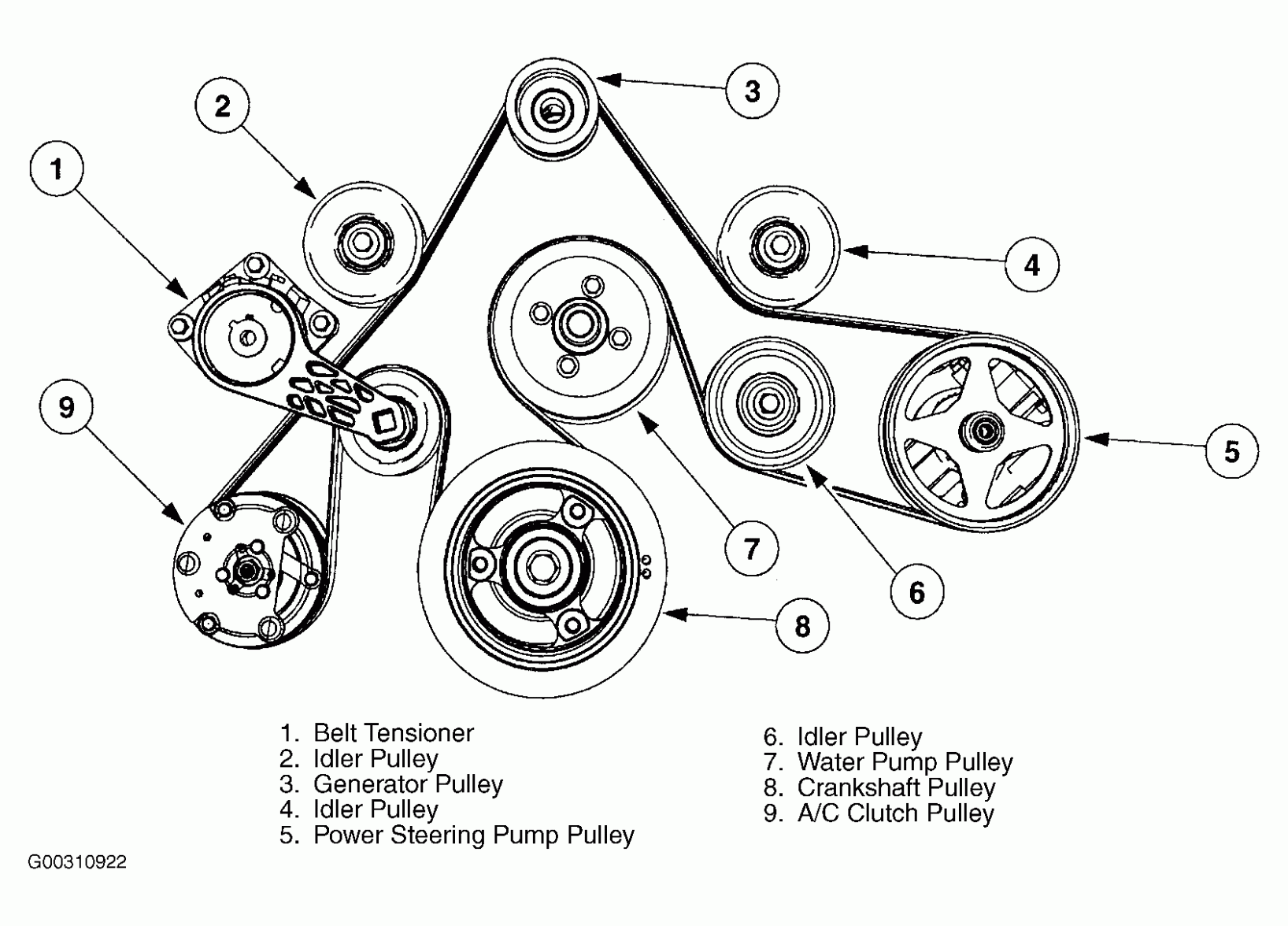
The serpentine belt on your 2012 Dodge Avenger with the 2.4L engine is a critical component responsible for driving several essential accessories. Understanding its layout and function is crucial for maintenance, troubleshooting, and repairs. This article provides a detailed explanation of the serpentine belt diagram, enabling you to confidently tackle related tasks.
Purpose of the Serpentine Belt Diagram
The serpentine belt diagram serves several vital purposes:
- Repair and Replacement: It's essential for correctly routing the new belt during replacement, ensuring all accessories are driven in the proper direction and with the correct tension.
- Troubleshooting: The diagram helps identify which accessory is affected when a problem arises, such as a squealing noise or a charging issue. Knowing the belt's path can pinpoint the source of the problem quickly.
- Learning and Understanding: Familiarizing yourself with the diagram allows you to understand the relationships between different engine components and how the serpentine belt powers them.
- Preventative Maintenance: Regularly inspecting the belt and its routing can help you identify potential problems before they lead to a breakdown. Comparing the actual routing to the diagram ensures everything is in its correct place.
Key Specs and Main Parts (2012 Dodge Avenger 2.4L)
Before diving into the diagram, let's cover some key specifications and identify the main components involved.
- Engine: 2.4L Inline-4 (often referred to as the "World Engine" or GEMA engine).
- Belt Type: Typically a multi-ribbed, rubber V-belt. The exact length varies slightly depending on options like A/C, but it's typically around 90-92 inches. It's crucial to use the correct belt size for optimal performance and longevity.
- Components Driven by the Belt:
- Alternator: Charges the battery and powers the electrical system.
- Water Pump: Circulates coolant through the engine to regulate temperature.
- Power Steering Pump: Provides hydraulic assistance for steering.
- Air Conditioning Compressor (A/C): Compresses refrigerant for the air conditioning system. Not all Avengers were equipped with A/C.
- Crankshaft Pulley (Harmonic Balancer): The driving pulley connected directly to the engine's crankshaft.
- Tensioner Pulley: Maintains the correct tension on the belt. This pulley is spring-loaded.
- Idler Pulley (if equipped): A smooth pulley that guides the belt and prevents excessive wear by keeping it from rubbing on other components.
It's worth noting that the presence of an idler pulley can vary depending on the specific configuration of your 2012 Avenger's engine.
Understanding Symbols in the Serpentine Belt Diagram
Serpentine belt diagrams use specific symbols to represent different components and directions. Here's a breakdown of common symbols you'll encounter:
- Solid Lines: Represent the path of the serpentine belt. The thickness of the line doesn't usually denote anything significant.
- Arrows: Indicate the direction of rotation for each pulley. This is crucial to ensure correct belt routing. Misrouting the belt can cause accessories to run in reverse, potentially damaging them.
- Circles or Cylinders: Represent pulleys. These can be labeled with abbreviations such as ALT (Alternator), WP (Water Pump), PS (Power Steering), AC (Air Conditioning), CRK (Crankshaft), TEN (Tensioner), and IDL (Idler).
- Text Labels: Accompany each pulley to identify its function clearly.
- Dashed Lines (rare): Occasionally used to indicate the belt's path behind other components. They are usually avoidable on the 2012 Avenger 2.4L serpentine belt diagram.
Color coding is rarely used in serpentine belt diagrams. The primary focus is on the solid lines representing the belt's path and the directional arrows.
How It Works: The Serpentine Belt's Operation
The serpentine belt system works by transferring rotational power from the engine's crankshaft to various accessories. The crankshaft pulley is directly connected to the engine's rotating crankshaft. As the engine runs, the crankshaft pulley rotates, driving the serpentine belt. The belt wraps around the pulleys of the alternator, water pump, power steering pump, and A/C compressor (if equipped), causing them to rotate as well.
The tensioner pulley plays a vital role in maintaining the correct amount of tension on the belt. The tensioner is spring-loaded, which automatically adjusts the belt tension as the belt stretches over time or as the load on the accessories changes. Proper tension is crucial for optimal performance and to prevent belt slippage or premature wear.
The water pump is critical for engine cooling, while the alternator provides electrical power. If the serpentine belt fails, these systems will cease to function, which will quickly lead to overheating and a loss of electrical power. Therefore, a properly functioning serpentine belt system is essential for the vehicle's overall operation.
Real-World Use: Basic Troubleshooting Tips
Here are some basic troubleshooting tips for your 2012 Dodge Avenger 2.4L serpentine belt system:
- Squealing Noise: A squealing noise, especially when starting the engine or during acceleration, is a common sign of a worn, glazed, or loose serpentine belt. Check the belt for cracks, fraying, or glazing. Ensure the tensioner is functioning correctly and maintaining adequate tension. Sometimes, applying belt dressing can temporarily alleviate the noise, but it's usually a temporary fix and replacement is recommended.
- Battery Light On: If the battery light illuminates on the dashboard, it could indicate that the alternator is not charging the battery correctly. A slipping serpentine belt can cause the alternator to spin too slowly, resulting in insufficient charging.
- Overheating: If the water pump stops functioning due to a broken or slipping serpentine belt, the engine can quickly overheat. Monitor the temperature gauge and pull over immediately if the engine starts to overheat.
- Loss of Power Steering: If the power steering pump is not being driven by the serpentine belt, the steering will become very heavy and difficult.
- Visual Inspection: Regularly inspect the serpentine belt for signs of wear, such as cracks, fraying, missing ribs, or glazing. Also, check the pulleys for signs of damage or misalignment.
If you suspect a problem with your serpentine belt system, consult the diagram to verify the correct belt routing and identify the affected accessory.
Safety Precautions
Working on the serpentine belt system involves several safety risks. Here are some crucial precautions to take:
- Disconnect the Battery: Always disconnect the negative battery terminal before working on the serpentine belt system. This prevents accidental electrical shocks or damage to electrical components.
- Hot Engine: Never work on the serpentine belt system when the engine is hot. Allow the engine to cool completely before starting any repairs.
- Moving Parts: Be extremely cautious around moving parts. Never wear loose clothing or jewelry that could get caught in the belt or pulleys.
- Tensioner Tool: Use the correct tensioner tool to release the tension on the belt. Using the wrong tool can damage the tensioner or cause injury.
- Eye Protection: Wear safety glasses to protect your eyes from debris.
The tensioner pulley stores significant spring tension. Always use the correct tool and follow the manufacturer's instructions when releasing or installing the tensioner. Improper handling can lead to injury.
Replacing a serpentine belt is a manageable DIY project for experienced car owners. However, if you're not comfortable working on your vehicle, it's always best to consult a qualified mechanic.
We have the 2012 Dodge Avenger 2.4L Serpentine Belt Diagram available for download. It provides a clear illustration of the belt's routing, aiding in proper installation and troubleshooting. Please contact us to receive the file.