
2012 Hyundai Santa Fe Serpentine Belt Diagram
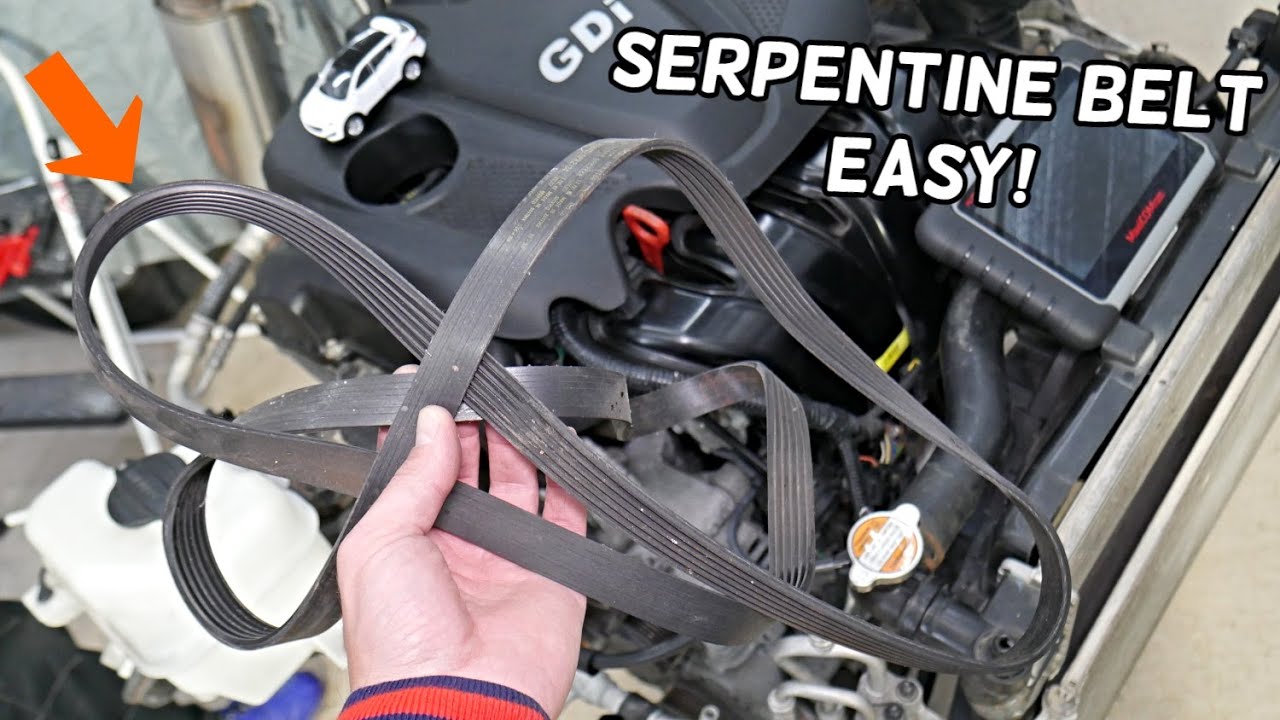
The serpentine belt on your 2012 Hyundai Santa Fe is a critical component, responsible for powering several vital engine accessories. Understanding its layout, through a reliable diagram, is indispensable for maintenance, troubleshooting, and even some performance modifications. This article provides a comprehensive guide to the 2012 Hyundai Santa Fe serpentine belt diagram, focusing on clarity and practical application for the experienced DIYer.
Purpose of Understanding the Serpentine Belt Diagram
Why bother with a serpentine belt diagram? Several reasons make it a valuable resource:
- DIY Repairs: Replacing a worn or broken serpentine belt is a common DIY task. The diagram ensures you route the new belt correctly, avoiding potential damage to accessories and the engine.
- Troubleshooting: Squealing noises, power steering failure, or a non-charging battery can all be related to a faulty or improperly routed serpentine belt. The diagram helps you pinpoint the issue.
- Preventative Maintenance: Knowing the belt's routing allows you to visually inspect its condition, checking for cracks, fraying, or signs of wear. Early detection can prevent a breakdown.
- Modifications: Planning to install an underdrive pulley or other performance accessory affecting the belt path? The diagram is essential for determining the correct belt size and routing.
- General Knowledge: Simply understanding how the engine's accessories are driven enhances your overall automotive knowledge and troubleshooting skills.
Key Specs and Main Parts
Before diving into the diagram itself, let's define the key components involved in the serpentine belt system of the 2012 Hyundai Santa Fe. Keep in mind that slight variations may exist depending on the specific engine (2.4L or 3.5L), so always consult the correct diagram for your vehicle.
Essential Components:
- Crankshaft Pulley (Crank Pulley): This is the driving force of the entire system. Connected directly to the engine's crankshaft, it spins the belt, transferring power to the other accessories.
- Alternator Pulley: Driven by the serpentine belt, the alternator generates electrical power to recharge the battery and run the vehicle's electrical systems.
- Power Steering Pump Pulley: This pulley drives the power steering pump, providing hydraulic assistance for steering.
- Air Conditioning Compressor Pulley: When the air conditioning is turned on, this pulley drives the compressor, which circulates refrigerant to cool the cabin.
- Idler Pulley(s): These smooth pulleys provide guidance and tension to the belt, ensuring proper contact with the other pulleys. Some Santa Fe models may have multiple idler pulleys.
- Tensioner Pulley: The tensioner pulley is spring-loaded and automatically maintains the correct tension on the serpentine belt. It's a crucial component; a worn tensioner can lead to belt slippage and premature wear.
- Water Pump Pulley: Driven by the serpentine belt, the water pump circulates coolant throughout the engine, preventing overheating.
Common Belt Specifications (Vary by Engine):
- Belt Length: Measured in inches or millimeters, this is the overall length of the serpentine belt. This is critical for replacement.
- Belt Width: Measured in millimeters, the width must match the grooves on the pulleys.
- Number of Ribs: The number of ribs on the belt must match the grooves on the pulleys.
Always check your vehicle's specific owner's manual or a reputable parts supplier (like RockAuto) for the exact belt specifications for your 2012 Hyundai Santa Fe's engine.
Symbols and Diagram Conventions
Serpentine belt diagrams typically use a standard set of symbols to represent the components and belt routing. Understanding these symbols is crucial for interpreting the diagram accurately:
- Solid Lines: These represent the serpentine belt itself. The diagram shows how the belt weaves around the various pulleys.
- Arrows: Indicate the direction of belt rotation around each pulley. This is crucial for ensuring proper routing.
- Circles: Represent the pulleys. Each circle will often be labeled with an abbreviation indicating its function (e.g., ALT for Alternator, P/S for Power Steering, A/C for Air Conditioning).
- Dashed Lines: May indicate the orientation of a pulley or a hidden section of the belt.
- Component Labels: Each pulley will be labeled with its corresponding component (Alternator, Power Steering Pump, etc.).
- Tensioner Indication: The tensioner pulley is often depicted with a spring symbol or a specific identifier to differentiate it from the idler pulleys.
The diagram will also typically include notes specifying belt length, tightening torque specifications for the tensioner (if applicable), and other relevant information.
How It Works: The Serpentine Belt System
The serpentine belt system is elegantly simple in principle. The crankshaft pulley, driven by the engine's combustion, provides the rotational force. This force is transferred to the serpentine belt, which in turn drives all the engine accessories connected to their respective pulleys. The tensioner pulley ensures that the belt maintains consistent tension, preventing slippage and maximizing the efficiency of power transfer.
The arrangement of pulleys and the belt routing are carefully designed to optimize power distribution and minimize stress on the belt. The direction of rotation for each accessory is determined by the way the belt wraps around its pulley. For example, an alternator may need to rotate in a specific direction to generate electricity efficiently.
Essentially, the serpentine belt acts as a mechanical power transmission system, converting the engine's rotational energy into useful work for the vehicle's accessories. It's a critical system for vehicle operation, and any failure can lead to significant problems.
Real-World Use: Basic Troubleshooting Tips
Here are a few basic troubleshooting tips you can use with your serpentine belt diagram:
- Squealing Noise: A squealing noise often indicates a slipping serpentine belt. Check the belt tension, inspect the belt for wear, and ensure the pulleys are free from debris. Use the diagram to verify correct belt routing.
- Accessory Failure: If the alternator, power steering, or air conditioning stops working, check the serpentine belt. A broken or detached belt will prevent these accessories from functioning. Refer to the diagram to confirm the belt is still correctly routed around the malfunctioning component's pulley.
- Visual Inspection: Regularly inspect the serpentine belt for cracks, fraying, glazing, or missing chunks. Any of these signs indicate the need for replacement. Compare the belt's condition to a new belt and note any degradation. The diagram will help you quickly locate the belt and assess its overall condition.
- Tensioner Inspection: Check the tensioner pulley for smooth operation. A failing tensioner can cause belt slippage and noise. Listen for any unusual noises coming from the tensioner. Ensure the tensioner arm moves freely and maintains adequate tension on the belt.
Example: You hear a squealing noise, especially when the air conditioning is turned on. Using the diagram, you can quickly locate the A/C compressor pulley and inspect the belt's condition around that area. You might find that the belt is worn or glazed, specifically around the A/C compressor pulley, indicating a potential need for replacement. The diagram confirms that the belt is correctly routed and that the tensioner is properly positioned.
Safety Considerations
Working on the serpentine belt system involves certain risks, especially with the engine running. Here's what to keep in mind:
- Engine Off: Always work on the serpentine belt system with the engine OFF and the key removed. Accidental engine starting can cause serious injury.
- Hot Surfaces: Be aware of hot engine components, such as the exhaust manifold and radiator. Allow the engine to cool down before working near these areas.
- Moving Parts: Keep your hands, hair, and clothing away from the serpentine belt and pulleys when the engine is running. The rotating parts can cause serious injury.
- Tensioner Safety: Be cautious when releasing the tension on the serpentine belt tensioner. The spring-loaded mechanism can release suddenly and cause injury. Use the correct tool for releasing tension.
- Battery Disconnect: Disconnecting the negative battery terminal is advisable before starting work to prevent accidental electrical shocks.
The alternator is a high-voltage component. Avoid touching its terminals directly, even with the engine off, as it may retain a residual charge.
Replacing a serpentine belt involves working in tight spaces near moving parts. Exercise caution and use appropriate tools to minimize the risk of injury.
We have access to detailed serpentine belt diagrams specifically for the 2012 Hyundai Santa Fe, covering both the 2.4L and 3.5L engines. This diagram includes precise belt routing, pulley locations, and critical specifications. Please contact us to request a copy of the diagram for your specific engine type, and we will happily provide it to you for download. Understanding and utilizing this diagram is a valuable asset in maintaining your 2012 Hyundai Santa Fe's serpentine belt system and ensuring its continued reliable operation.