
2012 Jeep Wrangler Front Suspension Diagram
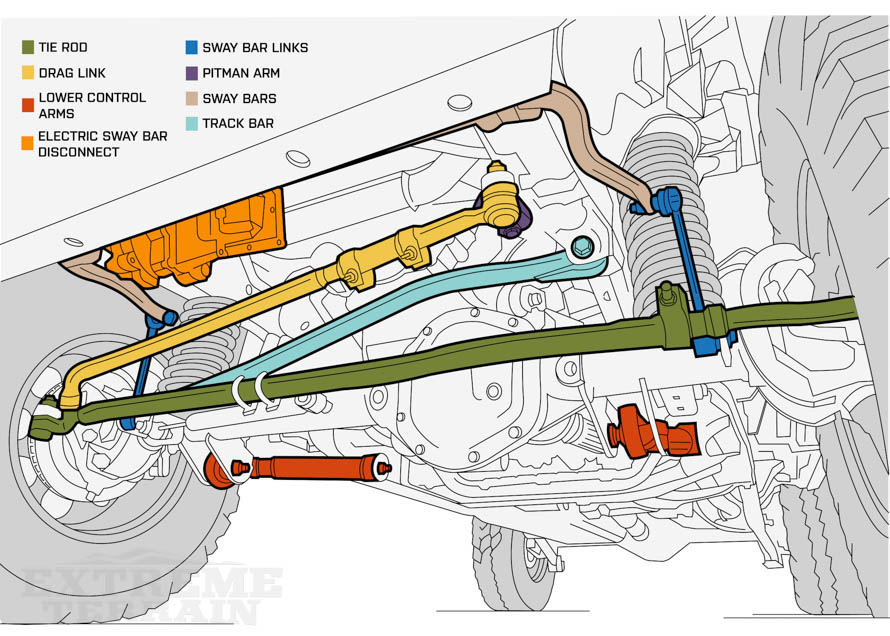
Let's dive into the front suspension diagram for the 2012 Jeep Wrangler (JK). Understanding this system is crucial for everything from routine maintenance to diagnosing annoying rattles, and even planning suspension modifications. This guide will break down the diagram, explain the components, and give you some real-world troubleshooting tips.
Purpose of Understanding the Front Suspension Diagram
A detailed suspension diagram isn't just a pretty picture. It's your roadmap for:
- Repairing Damaged Components: Quickly identify parts that need replacement due to wear, damage, or accident.
- Troubleshooting Issues: Diagnose the source of noises, vibrations, or handling problems.
- Performing Upgrades: Plan and execute suspension lifts or other modifications with a clear understanding of the system's layout.
- General Maintenance: Easily locate grease points and other areas requiring regular attention.
- Learning the System: Gain a deeper understanding of how your Jeep's front suspension works, which will empower you to make informed decisions about its care.
Key Specs and Main Parts of the 2012 JK Front Suspension
The 2012 Jeep Wrangler JK utilizes a solid axle front suspension, specifically a high-pinion Dana 30 or Dana 44 depending on the model and options. A solid axle means the wheels are rigidly connected by a single axle housing, offering excellent off-road capability and durability. Here's a breakdown of the key components:
- Axle Housing: The main structural component that houses the differential and axles. This is a critical component that transfers power to the wheels.
- Coil Springs: Provide the main suspension support and determine ride height. They absorb bumps and contribute to ride comfort.
- Shocks (Dampers): Control the movement of the springs, preventing excessive bouncing and improving handling. Technically, they dampen oscillations.
- Control Arms (Upper and Lower): These arms connect the axle housing to the Jeep's frame. They control axle movement and prevent it from moving excessively forward, backward, or sideways. The diagram will show their mounting points.
- Track Bar (Panhard Rod): A crucial component that locates the axle laterally (side to side). It prevents the axle from shifting sideways under the vehicle.
- Sway Bar (Anti-Roll Bar): Reduces body roll during cornering. It connects to the frame and to the axle via sway bar links.
- Sway Bar Links: Connect the sway bar to the axle. These are common wear items, especially on lifted Jeeps.
- Steering Knuckles: Connect to the axle and house the wheel bearings and hubs. They allow the wheels to pivot for steering.
- Tie Rod and Drag Link: Components of the steering system that connect the steering box to the steering knuckles, translating steering wheel input into wheel movement. The tie rod connects the steering knuckles, while the drag link connects the steering pitman arm to the steering knuckle on one side.
- Ball Joints: Allow articulation between the steering knuckle and the axle. These are wear items that can cause steering issues when they become loose.
- Bump Stops: Prevent the suspension from bottoming out and damaging other components.
- Brake Calipers and Rotors: Part of the braking system, directly influencing stopping power. The diagram may show their relative positions to the suspension components.
Understanding Diagram Symbols
A good front suspension diagram uses standard symbols and conventions to represent different components. Here's a general guide; your specific diagram might have a key or legend:
- Solid Lines: Typically represent rigid components like control arms, the axle housing, and the frame.
- Dashed Lines: May indicate hidden components, lines representing movement, or boundaries of certain areas.
- Different Colors: Colors can be used to distinguish between different systems (e.g., steering components in one color, suspension in another) or to highlight specific parts. Always check the diagram's legend.
- Arrows: Indicate the direction of movement or force. For example, an arrow might show the direction of compression on a coil spring.
- Circles or Dots: Often represent bolts, fasteners, or pivot points.
- Component Labels: Each part should be clearly labeled with a number or abbreviation that corresponds to a parts list.
- Exploded Views: Some diagrams show an exploded view, separating the individual components to illustrate their assembly order.
How the 2012 JK Front Suspension Works
The 2012 JK front suspension is a relatively simple but robust system. When the Jeep encounters a bump, the following happens:
- The wheel moves upwards, compressing the coil spring.
- The shock absorber dampens the spring's oscillation, preventing excessive bouncing.
- The control arms guide the axle's movement in an arc, keeping the wheels aligned.
- The track bar prevents the axle from shifting laterally.
- The sway bar resists body roll during cornering by transferring force between the wheels.
The steering system works independently, but it's directly connected to the suspension. When you turn the steering wheel, the steering box translates that rotation into linear motion via the pitman arm. The drag link then pushes or pulls on the steering knuckle, causing the wheels to turn. The tie rod ensures that both wheels turn in coordination.
Real-World Use: Basic Troubleshooting Tips
Here are some common problems you might encounter and how the diagram can help:
- Clunking Noise: Could be worn ball joints, loose control arm bushings, or a failing track bar. The diagram helps you locate and inspect these components.
- Wandering Steering: Could be caused by worn ball joints, loose tie rod ends, or a damaged steering stabilizer. Use the diagram to trace the steering linkage and identify potential issues.
- Excessive Body Roll: Could indicate broken sway bar links or a damaged sway bar. The diagram shows how these components connect to the axle and frame.
- Uneven Tire Wear: Can be a sign of worn suspension components or misalignment. The diagram helps you understand how different parts affect wheel alignment.
When troubleshooting, always start with a visual inspection. Look for:
- Cracked or broken components.
- Leaking shocks.
- Worn or torn bushings.
- Loose bolts or fasteners.
Safety Considerations
Working on suspension components can be dangerous. Always use jack stands to support the vehicle's weight. Never rely solely on a jack. The coil springs are under significant compression and can cause serious injury if released unexpectedly. If you're not comfortable working on suspension components, take your Jeep to a qualified mechanic.
Here are some specific safety precautions:
- Coil Springs: Use a spring compressor to safely remove and install coil springs. Improper use can result in the spring shooting out with tremendous force.
- Ball Joints: Use the correct tools to press ball joints in and out. Improper removal or installation can damage the steering knuckle.
- Torque Specifications: Always torque fasteners to the manufacturer's specifications. Over-tightening can damage components, while under-tightening can lead to failures.
We have the 2012 Jeep Wrangler Front Suspension Diagram file available for download. With this and the knowledge from this article, you're well-equipped to understand, maintain, and even modify your Jeep's front suspension system. Remember to always prioritize safety and consult a professional if you're unsure about any procedure.