
2012 Nissan Juke Serpentine Belt Diagram
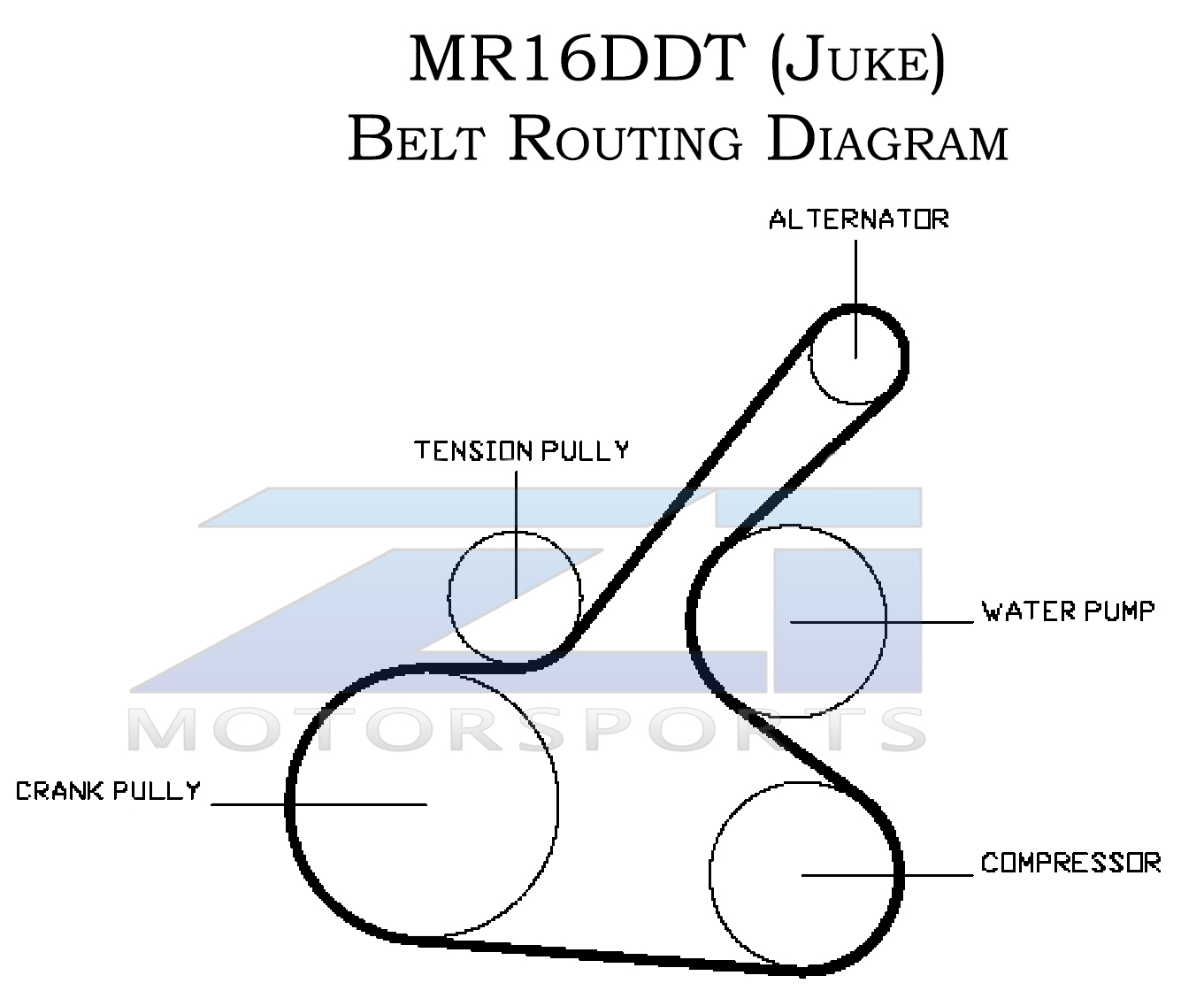
For the experienced DIYer or seasoned car enthusiast, understanding the serpentine belt system is crucial for maintaining a 2012 Nissan Juke. This article dives deep into the 2012 Nissan Juke serpentine belt diagram, providing you with the knowledge to diagnose problems, perform replacements, and generally understand this vital engine component. This isn't just about changing a belt; it's about comprehending the entire system.
Purpose of Understanding the Serpentine Belt Diagram
The serpentine belt diagram is more than just a visual aid; it's a roadmap to your Juke's accessory drive system. Understanding it serves several crucial purposes:
- Repair and Maintenance: When diagnosing issues like squealing noises, power steering failure, or alternator problems, the diagram helps pinpoint the root cause. It shows the correct belt routing, essential for proper function.
- Component Identification: The diagram clearly identifies each component driven by the serpentine belt, allowing you to understand their roles and inspect them for wear or damage.
- Belt Replacement: Installing a new serpentine belt without a proper diagram can lead to incorrect routing, potentially damaging the belt or engine components. Correct routing ensures proper tension and prevents belt slippage.
- Learning the System: Familiarizing yourself with the diagram provides a deeper understanding of how the engine accessories (alternator, power steering pump, A/C compressor, etc.) are driven.
- Troubleshooting: The diagram can help isolate problems. For example, if your power steering fails, the diagram shows the relationship between the power steering pump and the serpentine belt.
Key Specs and Main Parts of the 2012 Nissan Juke Serpentine Belt System
The 2012 Nissan Juke, specifically those with the 1.6L MR16DDT engine, uses a single serpentine belt to drive multiple accessories. Understanding the components and the belt's path is key.
Main Components:
- Crankshaft Pulley (Crank Pulley): This pulley is driven directly by the engine's crankshaft and acts as the primary driver for the serpentine belt. It's the starting point of the entire system.
- Alternator: The alternator generates electricity to power the vehicle's electrical system and charge the battery. The serpentine belt spins the alternator pulley.
- Air Conditioning (A/C) Compressor: The A/C compressor is responsible for compressing refrigerant in the air conditioning system. It's another belt-driven component.
- Power Steering Pump: The power steering pump provides hydraulic pressure to assist steering. It's driven by the serpentine belt.
- Tensioner Pulley: The tensioner pulley maintains the correct tension on the serpentine belt. It can be either spring-loaded or manually adjustable. Maintaining correct tension is critical for preventing belt slippage and premature wear.
- Idler Pulley (if equipped): Some Juke models might have an idler pulley, which simply guides the belt around other components. It doesn't drive any accessory.
Key Specifications:
While the exact length of the serpentine belt can vary slightly depending on the manufacturer, it's crucial to use the correct replacement. The belt's length is typically indicated by a part number, often printed directly on the belt itself. Refer to your Juke's owner's manual or a reliable parts database for the correct part number.
Typical Serpentine Belt Size Range: Around 6PK1200 to 6PK1250 (This range is approximate and highly dependent on specific vehicle options, double check for your specific car).
Rib Count: 6 (meaning the belt has six "ribs" that fit into the grooves of the pulleys)
Serpentine Belt Diagram Symbols and Conventions
Understanding the symbols and conventions used in the serpentine belt diagram is crucial for interpreting it correctly:
- Solid Lines: Solid lines represent the path of the serpentine belt. The direction of the line indicates the belt's direction of travel.
- Pulleys: Pulleys are typically represented as circles. The diagram usually labels each pulley with the component it's attached to (e.g., "Alternator Pulley," "Crankshaft Pulley").
- Tensioner Pulley: The tensioner pulley might be represented with a spring symbol, indicating its spring-loaded function. Arrows might indicate the direction of movement during tension adjustment.
- Arrows: Arrows often indicate the direction of rotation of the pulleys. This is important for ensuring the belt is routed correctly.
- Part Numbers: The diagram may include part numbers for the serpentine belt and other components.
How the Serpentine Belt System Works
The serpentine belt system is a relatively simple but crucial system. The crankshaft pulley, driven by the engine, turns the serpentine belt. The belt, in turn, wraps around and spins the pulleys of various accessories, such as the alternator, A/C compressor, power steering pump. The tensioner pulley maintains the correct tension on the belt, preventing slippage and ensuring efficient power transfer. Without proper tension, the belt will slip, reducing the efficiency of the accessories and potentially causing them to fail. Think of it as a synchronized dance where each pulley must turn at the correct speed to ensure all accessories function correctly.
Real-World Use and Basic Troubleshooting
Here are some basic troubleshooting tips when working with the serpentine belt system:
- Squealing Noise: A common symptom of a worn or loose serpentine belt is a squealing noise, especially when the engine is first started or under heavy load. Check the belt for cracks, wear, or glazing. Also, inspect the tensioner pulley to ensure it's functioning correctly.
- Power Steering Failure: If your power steering suddenly stops working, check the serpentine belt. A broken belt will immediately disable the power steering pump.
- Alternator Problems: If your battery isn't charging properly, the serpentine belt could be slipping, preventing the alternator from generating enough electricity.
- Visual Inspection: Regularly inspect the serpentine belt for signs of wear, such as cracks, fraying, or missing chunks. Replace the belt immediately if you notice any of these issues.
- Belt Tension: Correct belt tension is crucial. Too loose, and the belt will slip. Too tight, and it can damage the bearings in the accessories. Use a belt tension gauge to ensure proper tension.
- Pulley Alignment: Misaligned pulleys can cause premature belt wear. Check that all pulleys are properly aligned.
Safety Considerations
Working with the serpentine belt system can be hazardous. Always disconnect the negative battery terminal before working on the system to prevent electrical shock. Never put your hands near the serpentine belt while the engine is running. The rotating belt and pulleys can cause serious injury. The crankshaft pulley, in particular, is a high-risk component due to its direct connection to the engine. Be extremely cautious when working near it.
Furthermore, be aware that the tensioner pulley is spring-loaded and can release with significant force. Use the correct tools to relieve the tension on the belt safely.
Finally, remember to wear safety glasses to protect your eyes from debris. Working on a car can cause small metal shards or other particles to dislodge, creating a hazard to your vision.
Understanding the 2012 Nissan Juke serpentine belt diagram empowers you to maintain your vehicle effectively. With the knowledge gained from this article, you can confidently diagnose problems, perform replacements, and ensure the longevity of your Juke's accessory drive system.
We have the actual 2012 Nissan Juke Serpentine Belt Diagram available for download. Contact us to request the file. Having the detailed diagram at your fingertips makes the whole process much easier.