
2012 Nissan Maxima Alternator Wiring Diagram
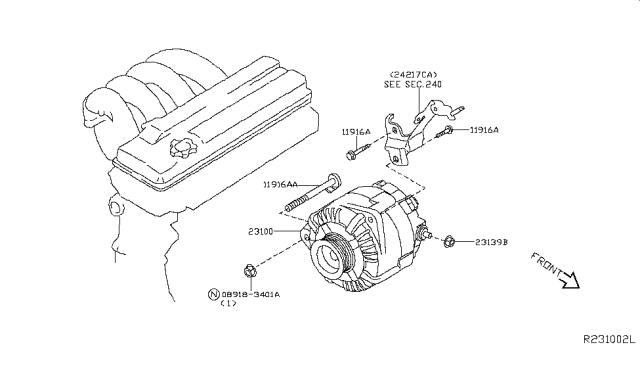
Alright, let's dive into the alternator wiring diagram for a 2012 Nissan Maxima. This guide is designed for those of you who are already comfortable with basic automotive electrical systems and want to understand the specifics of the charging circuit in this particular vehicle. Whether you're troubleshooting a charging problem, planning to add some aftermarket electronics, or just keen to learn more about your car, understanding this diagram is crucial. We even have the full diagram available for download – more on that later.
Why Understanding the Alternator Wiring Diagram Matters
The alternator is the heart of your Maxima's electrical system, responsible for recharging the battery and powering all the electrical components while the engine is running. A faulty alternator or a problem in its wiring can lead to a dead battery, dimming lights, and eventually, a car that won't start. Knowing how the alternator is wired allows you to:
- Diagnose Charging Problems: Is the battery not charging? The wiring diagram helps pinpoint whether the fault lies in the alternator itself, the wiring harness, or other components.
- Perform Repairs: Whether it's replacing a damaged wire, connector, or the alternator, you'll need to understand the connections.
- Install Aftermarket Accessories: Adding things like amplifiers, lights, or other electrical gadgets requires understanding the charging system's capacity and how to safely tap into it.
- General Knowledge: Simply understanding how the electrical system works improves your overall car knowledge and empowers you to perform more maintenance tasks yourself.
Key Specs and Main Parts of the 2012 Maxima Alternator System
Before we jump into the diagram, let's cover the critical components:
- Alternator: The primary component, converting mechanical energy from the engine into electrical energy (AC current, which is then rectified into DC). The 2012 Maxima typically uses a brush-type alternator with an internal voltage regulator. Amperage output varies depending on the specific model, but is generally in the 110-130 amp range.
- Battery: Stores electrical energy and provides power to start the engine and operate accessories when the engine is off. Typically a 12V lead-acid battery.
- Voltage Regulator: Maintains a stable voltage output from the alternator (usually around 13.5-14.5V) to prevent overcharging the battery and damaging electrical components. In the 2012 Maxima, this is an internal component within the alternator itself.
- Fusible Link(s)/Fuses: Protective devices that prevent damage from overcurrent. Several fuses are related to the charging system, protecting both the alternator and the battery. You'll likely find a high-amperage fusible link near the battery to protect the main charging circuit.
- Wiring Harness: The network of wires connecting all the components. This is where most wiring problems occur (corrosion, damage, loose connections).
- Battery Sensor: Monitors battery voltage and temperature, sending data to the vehicle's ECU (Engine Control Unit) which can then adjust the alternator's output accordingly.
Understanding the Symbols in the Wiring Diagram
Wiring diagrams use a standardized set of symbols. Here's a breakdown of the most common ones you'll encounter:
- Solid Lines: Represent wires. The thickness of the line doesn't necessarily indicate wire gauge, but sometimes thicker lines are used for higher current wires.
- Dashed Lines: Often indicate shielded wires or connections between modules (like the ECU and alternator).
- Circles: Usually represent connection points or splices in the wiring.
- Rectangles: Can represent components like fuses, relays, or modules.
- Alternator Symbol: A circle with the letter "A" inside, or sometimes a more detailed representation of the alternator's internal components (stator windings, diodes, etc.).
- Ground Symbol: Looks like an inverted Christmas tree and indicates a connection to the vehicle's chassis, providing a ground path for the circuit.
- Color Codes: Wires are typically identified by color codes. For example:
- B: Black (usually ground)
- R: Red (usually positive)
- W: White
- L: Blue
- G: Green
- Y: Yellow
How the 2012 Maxima Alternator Charging System Works
Here’s a simplified explanation of the charging system operation:
- When the engine starts, the crankshaft drives the alternator via a belt.
- The alternator generates AC voltage.
- Internal diodes within the alternator rectify the AC voltage into DC voltage.
- The internal voltage regulator monitors the battery voltage and adjusts the alternator's output to maintain a consistent charging voltage (around 13.5-14.5V).
- The DC voltage flows through the wiring harness to the battery, recharging it. It also powers all the other electrical components in the car.
- The battery sensor sends data to the ECU, allowing for fine-tuning of the charging process based on temperature and load.
The wiring diagram will show the precise routing of these wires, the location of fuses and fusible links, and the connections to other modules like the ECU.
Real-World Use: Basic Troubleshooting Tips
Okay, let's say you suspect a problem with your charging system. Here's how the wiring diagram can help:
- Battery Not Charging: Use a multimeter to check the voltage at the battery terminals with the engine running. It should be around 13.5-14.5V. If it's significantly lower, the alternator may not be charging properly. Check the wiring diagram to locate the main alternator output wire. Use the multimeter to test the voltage on that wire at the alternator. If voltage is low there too, the alternator is likely faulty. If voltage is good at the alternator but low at the battery, there's a problem in the wiring between them (blown fuse, broken wire, corroded connection).
- Battery Overcharging: A voltage consistently above 14.5V can damage the battery. This is often a sign of a faulty voltage regulator (which is internal to the alternator on this model). While the wiring diagram won't fix the regulator, it will help you trace the wiring to ensure there isn't a short circuit causing the issue.
- Warning Light On: The "battery" or "charge" warning light on the dashboard indicates a problem with the charging system. The wiring diagram will show which wire triggers this light. Use it to check the continuity of the wire and connections. Often the ECU will be involved in interpreting this signal; the wiring diagram will help you see how.
- Loose Connections: Visually inspect all connections at the alternator, battery, and any fuses or fusible links in the charging circuit. Clean any corrosion with a wire brush and ensure the connections are tight. Refer to the wiring diagram to identify all the relevant connection points.
Important: Always disconnect the negative battery cable before working on the electrical system. This prevents accidental short circuits.
Safety First! Risky Components and Precautions
Working with the electrical system can be dangerous if you're not careful. Here are a few key safety points:
- Battery: Lead-acid batteries contain corrosive acid and produce explosive gases. Wear eye protection and avoid sparks or flames near the battery.
- High Voltage/Current: The alternator and the wiring connected to it carry high voltage and current. Always disconnect the battery before working on these components. Even with the battery disconnected, capacitors in the system can store a charge, so be cautious when probing wires.
- Airbag System: Although not directly related to the alternator, some wiring for the charging system may run near airbag components. Disconnecting the battery will also disable the airbags, but it's still good practice to be aware of their location and avoid any unnecessary jarring or impacts to these components.
A healthy dose of respect and caution goes a long way! If you're unsure about any step, consult a qualified mechanic.
Get the Full Wiring Diagram
We have the complete 2012 Nissan Maxima alternator wiring diagram available for download. This will give you the detailed information you need for in-depth troubleshooting and repairs. The diagram includes all the wire colors, connector locations, and circuit details.
Important Disclaimer: This information is provided for informational purposes only and should not be considered a substitute for professional automotive advice. Always consult a qualified mechanic for any repairs or modifications to your vehicle. Working on automotive electrical systems can be dangerous. Always take appropriate safety precautions.