
2012 Ram 1500 Front Suspension Diagram
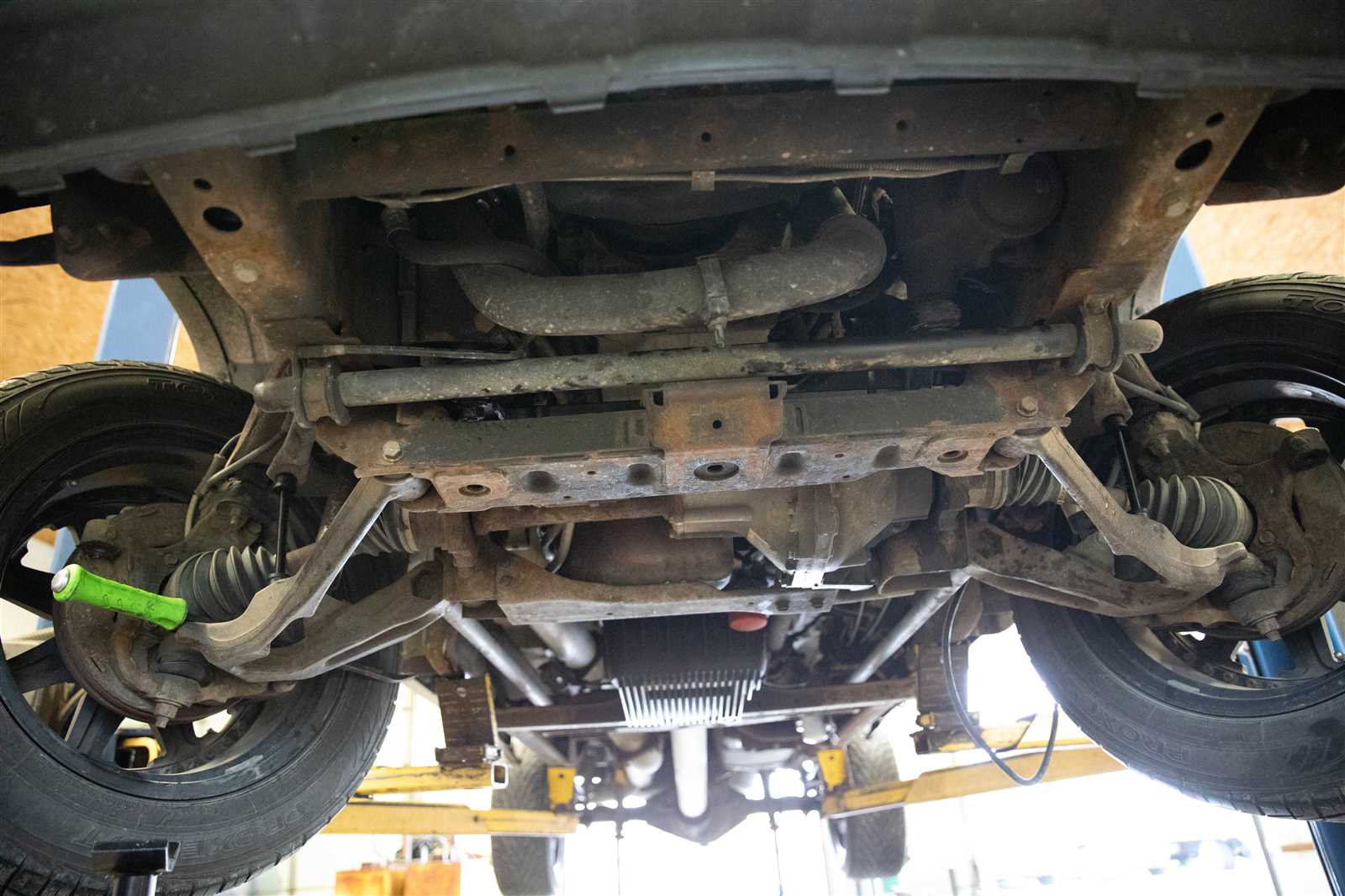
Alright, let's dive into the 2012 Ram 1500 front suspension. If you're planning on tackling any front-end work on your truck, whether it's replacing ball joints, upgrading shocks, or just understanding how everything connects, a good suspension diagram is absolutely essential. This article breaks down the key components and workings of the 2012 Ram 1500's front suspension, providing you with the knowledge to navigate repairs and modifications with confidence.
Purpose of a Front Suspension Diagram
Why bother with a diagram? Simple: it's your roadmap. A detailed diagram offers several crucial benefits:
- Accurate Identification: Quickly identify specific parts by their name and location. No more guessing!
- Assembly Guidance: Ensure correct order and orientation of components during reassembly. Crucial for safety and proper function.
- Troubleshooting Aid: Understand how different parts interact to diagnose problems effectively. For instance, a worn-out upper control arm bushing can cause alignment issues.
- Modification Planning: Visualizing the suspension layout is essential when planning lift kits, leveling kits, or any other suspension upgrades.
- Part Number Lookup: Some diagrams conveniently include part numbers, streamlining the ordering process.
Key Specs and Main Parts
The 2012 Ram 1500 utilizes an independent front suspension system, specifically a double-wishbone (also known as double A-arm) design. This type of suspension offers a good balance of ride comfort and handling performance.
Main Components:
- Upper Control Arm (A-Arm): The upper control arm pivots on the frame and connects to the steering knuckle. It helps control wheel movement and maintain proper alignment.
- Lower Control Arm (A-Arm): Similar to the upper control arm, but located lower and typically larger. It bears a significant portion of the vehicle's weight and also influences handling.
- Steering Knuckle: This component connects to the upper and lower control arms via ball joints. The wheel hub and bearings are housed within the steering knuckle, and it's what rotates when you steer.
- Ball Joints: These are spherical bearings that allow the steering knuckle to pivot up and down and side to side. They connect the control arms to the steering knuckle. There are usually two ball joints per side: an upper and a lower.
- Coil Spring: The coil spring provides the primary suspension support, absorbing bumps and maintaining ride height.
- Shock Absorber (Damper): Controls the rate at which the suspension compresses and rebounds. Without shocks, the vehicle would bounce uncontrollably.
- Strut Assembly (In some models): Though less common in 2012 Ram 1500s, some configurations might utilize a strut, which combines the coil spring and shock absorber into a single unit.
- Sway Bar (Stabilizer Bar): A torsion bar that connects the left and right sides of the suspension. It reduces body roll during cornering.
- Sway Bar End Links: Connect the sway bar to the control arms or struts. They transmit the twisting force of the sway bar.
- Tie Rod Ends: Connect the steering rack to the steering knuckles. They transmit steering input to turn the wheels. Tie rod ends are critical for proper alignment.
Understanding Symbols in Suspension Diagrams
Diagrams aren't just pretty pictures; they use specific symbols and conventions to convey information. Here's a brief guide:
- Lines: Solid lines generally represent physical components, while dashed lines may indicate hidden components or reference points.
- Arrows: Indicate direction of movement, forces, or fluid flow (if the diagram includes hydraulics).
- Hatching: Different hatching patterns may represent different materials (e.g., steel, aluminum, rubber).
- Callouts: Numbered or lettered callouts point to specific parts, cross-referencing them to a legend or parts list.
- Torque Specifications: Important torque values for bolts and fasteners are sometimes included near the relevant components. Always adhere to specified torque values to ensure proper and safe assembly.
- Colors: Colors can be used to differentiate between systems or highlight important features, but this varies from diagram to diagram. Refer to the diagram's key for specific color meanings.
Important Note: Not all diagrams are created equal. Some are highly detailed exploded views, while others are simplified representations. Choose a diagram appropriate for your level of understanding and the task at hand.
How It Works: A Simplified Explanation
The independent front suspension of the 2012 Ram 1500 is designed to allow each wheel to react independently to bumps and road irregularities. Here's the basic process:
- When a wheel encounters a bump, it moves vertically.
- This movement is absorbed by the coil spring, which compresses.
- The shock absorber dampens the spring's oscillation, preventing excessive bouncing.
- The upper and lower control arms allow the wheel to move vertically while maintaining a relatively constant camber angle (the angle of the wheel relative to the vertical axis).
- The ball joints allow the steering knuckle to pivot, enabling steering.
- The sway bar resists body roll during cornering by transferring some of the suspension load from one side of the vehicle to the other.
Real-World Use: Basic Troubleshooting Tips
Let's look at a few common front suspension problems and how a diagram can help you diagnose them:
- Clunking Noise: This could indicate worn-out ball joints, tie rod ends, sway bar end links, or control arm bushings. The diagram helps you pinpoint the exact location of the noise by identifying each component.
- Uneven Tire Wear: Can result from misalignment caused by bent control arms, worn ball joints, or damaged tie rod ends. The diagram helps you visually inspect these components for damage.
- Excessive Bouncing: Indicates worn-out shock absorbers. The diagram clearly shows the location of the shocks for easy inspection and replacement.
- Steering Wander: Can be caused by loose tie rod ends, worn ball joints, or damaged control arm bushings. The diagram allows you to check the condition of these components.
Safety Precautions
Working on suspension components can be dangerous. Here are some critical safety considerations:
- Use Jack Stands: Never work under a vehicle supported only by a jack. Always use properly rated jack stands.
- Spring Compression: Coil springs store a tremendous amount of energy. If you need to remove a coil spring, use a proper spring compressor tool. Improper use can lead to serious injury.
- Torque Specifications: Always tighten bolts to the manufacturer's specified torque values. Over-tightening can damage components, while under-tightening can lead to failure.
- Wheel Alignment: After any suspension work, it's crucial to have the vehicle properly aligned. Misalignment can cause uneven tire wear, poor handling, and reduced fuel economy.
- Brake Lines: Be extremely careful when working near brake lines. Damage to a brake line can result in complete brake failure.
Warning: The coil springs, specifically, are under immense pressure and can cause severe injury or death if mishandled. If you are not completely comfortable with using a spring compressor, seek professional assistance.
Remember that safety is paramount. If you're unsure about any aspect of the repair, consult a qualified mechanic.
We have a detailed suspension diagram available for download. Feel free to use it as a reference guide when you tackle those front-end projects. Remember, this information is intended as a guide and not a substitute for professional mechanical expertise. Good luck, and stay safe!