
2012 Ram 1500 Serpentine Belt Diagram
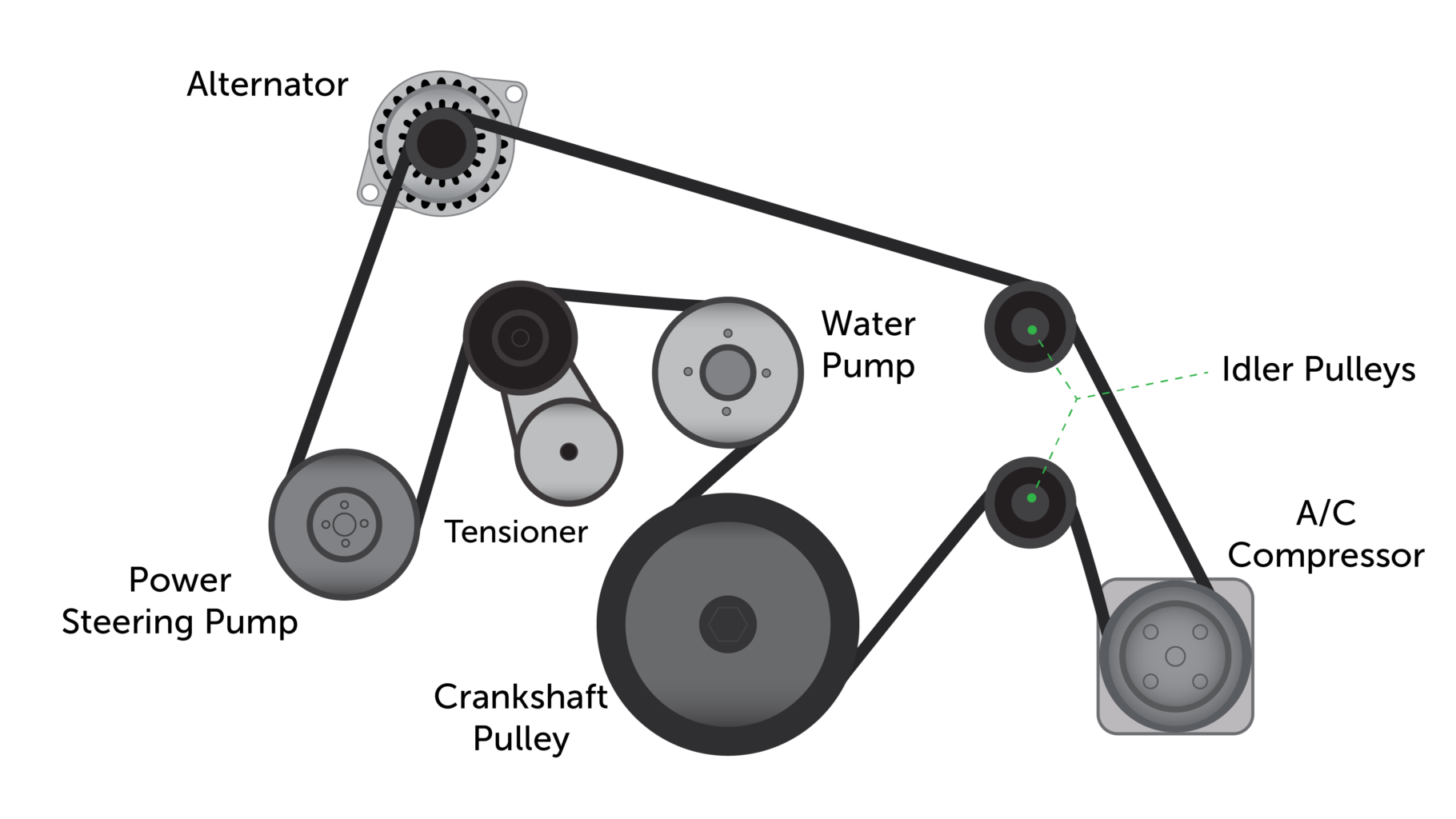
Alright, let's talk about the serpentine belt diagram for your 2012 Ram 1500. If you're planning on tackling any maintenance or repairs that involve the belt, knowing how it snakes around the various engine components is absolutely crucial. This guide will break down the diagram, its purpose, and how to use it effectively. Plus, we've got the diagram itself ready for you to download—more on that later.
Why This Diagram Matters
The serpentine belt is a critical component in your Ram 1500. It’s responsible for driving several essential engine accessories. Understanding its routing is essential for several reasons:
- Repairs: Replacing a worn or damaged belt requires you to know the correct routing. An incorrectly installed belt can lead to serious engine damage.
- Maintenance: Visual inspections of the belt for wear and tear are part of preventative maintenance. The diagram helps you identify each component the belt interacts with.
- Troubleshooting: If you're experiencing issues with your power steering, alternator, air conditioning, or other related systems, the belt's condition and proper tension are prime suspects. The diagram will guide you in verifying these aspects.
- Learning: Even if you're not actively working on your truck, understanding the function and location of these components boosts your overall automotive knowledge.
Key Specs and Main Parts
The 2012 Ram 1500 offered several engine options, and the serpentine belt routing varies slightly depending on the engine. Here, we'll cover the most common setup. It's always best to cross-reference your specific engine to ensure accurate information.
Common Engine Options:
- 3.7L V6
- 4.7L V8
- 5.7L HEMI V8
Key Components Driven by the Serpentine Belt:
- Crankshaft Pulley: This is the driving force behind the entire system. The belt wraps around this pulley, and as the crankshaft spins, it drives the other components.
- Alternator: The alternator generates electricity to power your truck's electrical system and charge the battery.
- Power Steering Pump: The power steering pump provides hydraulic pressure to assist with steering.
- Air Conditioning Compressor: The A/C compressor circulates refrigerant to cool the cabin.
- Water Pump: While not always directly driven by the serpentine belt on all 2012 Ram 1500 configurations, it is important to check for. The water pump circulates coolant through the engine to prevent overheating. Some engines may have a separate belt for the water pump or the pump driven directly by the timing chain.
- Idler Pulley(s): These pulleys provide a smooth path for the belt and maintain proper tension.
- Tensioner Pulley: The tensioner pulley applies the necessary tension to the belt to prevent slippage. This is typically spring-loaded.
Understanding the Diagram Symbols
Serpentine belt diagrams use standard symbols to represent the various components and the belt routing. Here’s a breakdown:
- Solid Lines: Represent the path of the serpentine belt.
- Pulleys: Typically depicted as circles with an indicator of the component it connects to (e.g., ALT for Alternator, P/S for Power Steering, AC for Air Conditioning).
- Arrows: Indicate the direction of rotation for each pulley. This is crucial for understanding how the belt interacts with each component.
- Tensioner: Usually shown with a spring symbol or a "T" mark to indicate its function.
Often, diagrams will be simplified schematics, focusing solely on the belt path and component locations rather than detailed representations of each part. Don’t expect a photorealistic rendering; focus on the connections and routing.
How It Works
The serpentine belt's operation is straightforward. The crankshaft pulley, driven by the engine, rotates, transferring motion to the belt. The belt, in turn, spins all the other pulleys connected to the alternator, power steering pump, A/C compressor, and sometimes the water pump. The tensioner pulley ensures the belt remains taut, preventing slippage and maintaining optimal performance of each accessory. Proper belt tension is critical for efficient operation.
If the belt is too loose, it will slip, leading to reduced performance of the driven components (e.g., weak power steering, poor A/C performance, or inadequate charging). If the belt is too tight, it can place excessive stress on the bearings of the driven components, leading to premature failure.
Real-World Use: Basic Troubleshooting
Here are a few basic troubleshooting tips using the serpentine belt diagram:
- Squealing Noise: A squealing noise, especially when starting the engine or turning the steering wheel, often indicates a slipping belt. Check the belt tension and inspect for cracks, glazing, or wear. Use the diagram to visually inspect the entire belt path.
- Accessory Failure: If your alternator, power steering, or A/C isn't working correctly, check the belt for proper routing and tension. A broken or improperly routed belt is a common cause of accessory failure.
- Visual Inspection: Regularly inspect the belt for signs of wear and tear, such as cracks, fraying, or missing chunks. Use the diagram to identify each section of the belt and ensure a thorough inspection. A worn belt should be replaced immediately.
- Misalignment: If you see uneven wear on the belt or hear unusual noises, check for pulley misalignment. Use a straight edge to check alignment. Misalignment can cause premature belt wear and damage to the driven components.
Important Note: When replacing the serpentine belt, always refer to the diagram to ensure correct routing. Take a photo of the existing belt routing before removing the old belt as a backup reference.
Safety Precautions
Working around a running engine involves inherent risks. Here are some crucial safety precautions:
- Never work on the serpentine belt with the engine running unless absolutely necessary for diagnostic purposes. Even then, exercise extreme caution.
- Disconnect the negative battery terminal before starting any work on the electrical system or accessories driven by the belt. This prevents accidental electrical shocks.
- Be aware of moving parts. The serpentine belt and pulleys are in constant motion when the engine is running. Keep your hands, tools, and clothing clear to avoid injury.
- Wear safety glasses to protect your eyes from debris.
- Ensure the parking brake is engaged and the wheels are chocked to prevent the vehicle from rolling.
The tensioner pulley is under significant spring tension. Use the correct tool to release the tension when removing or installing the belt. Releasing the tension incorrectly can cause serious injury.
Finally, and most importantly, if you're uncomfortable performing any of these procedures, consult a qualified mechanic. Safety should always be your top priority.
Now, about that diagram... We've prepared a downloadable file for you, containing the serpentine belt diagram for various 2012 Ram 1500 engine configurations. Check the bottom of this article for the download link!