
2013 6.7 Cummins Serpentine Belt Diagram
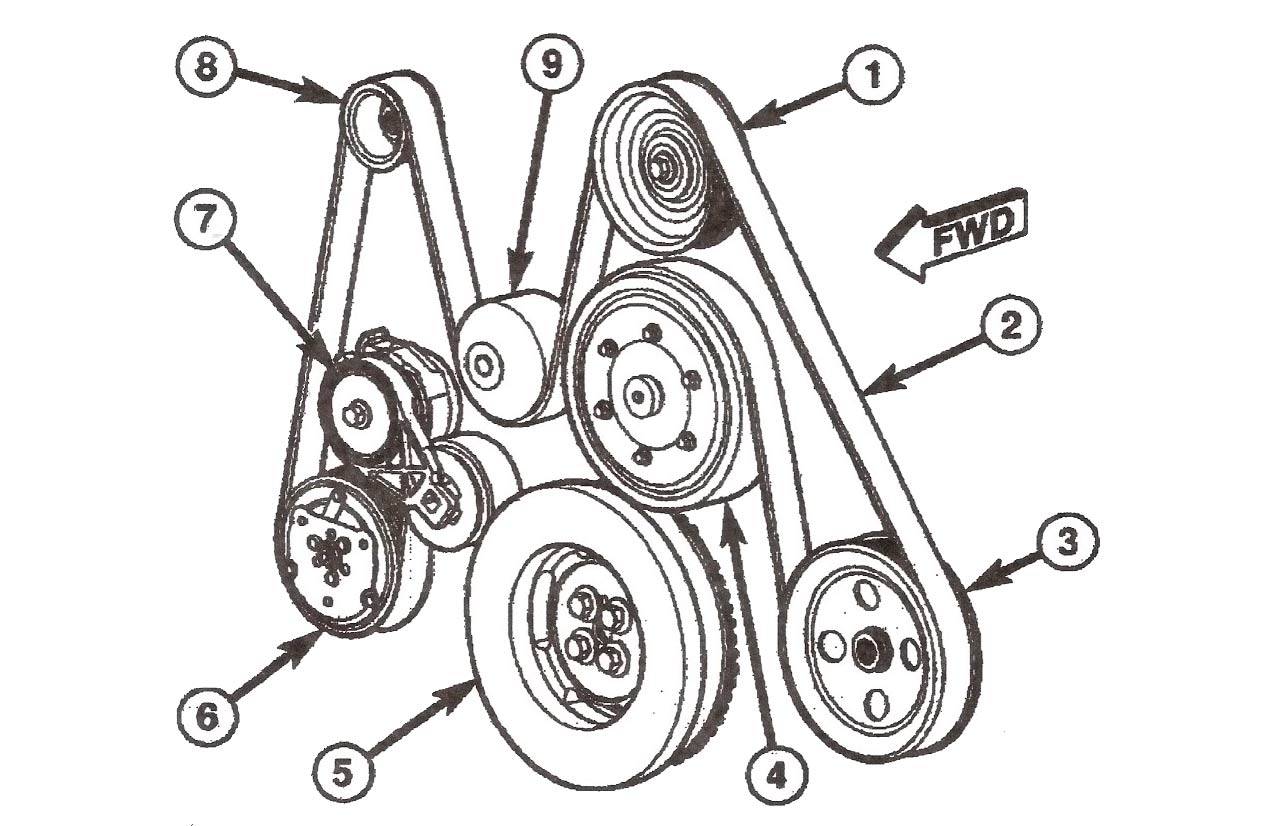
The serpentine belt on your 2013 6.7L Cummins diesel engine is a critical component, responsible for driving numerous accessories vital for the engine's operation. Understanding its routing and function is essential for maintenance, troubleshooting, and even some performance modifications. This article provides a detailed breakdown of the serpentine belt diagram for your 2013 Cummins, offering insights for experienced DIYers.
Purpose of Understanding the Serpentine Belt Diagram
The serpentine belt diagram isn't just a piece of paper; it's your roadmap to a functioning engine accessory system. It serves several crucial purposes:
- Repairs and Replacement: When replacing a worn or damaged serpentine belt, the diagram ensures you route the new belt correctly. Incorrect routing can lead to premature wear, component failure, and even engine damage.
- Troubleshooting: If you're experiencing issues with your alternator (charging problems), power steering (difficult steering), air conditioning (no cold air), or other belt-driven accessories, the diagram helps you identify the specific belt-driven component in question.
- Preventive Maintenance: Familiarizing yourself with the diagram allows you to visually inspect the belt and pulleys for wear, cracks, or misalignment during routine maintenance.
- Performance Modifications: If you're considering modifications like installing a larger alternator or adding an auxiliary accessory, understanding the belt routing is crucial for ensuring compatibility and proper operation.
- Learning and Understanding: For the mechanically inclined, studying the diagram enhances your understanding of how the engine's accessory system works.
Key Specs and Main Parts
Let's identify the core components involved in the serpentine belt system:
- Crankshaft Pulley (Damper): This pulley, driven directly by the engine's crankshaft, is the primary power source for the entire serpentine belt system.
- Alternator Pulley: The alternator, responsible for charging the battery and powering the electrical system, is driven by the serpentine belt.
- Power Steering Pump Pulley: The power steering pump, which provides hydraulic assistance for steering, is also driven by the serpentine belt.
- Air Conditioning Compressor Pulley: The AC compressor, responsible for cooling the cabin air, receives its power from the serpentine belt.
- Idler Pulleys: These pulleys are smooth and exist solely to guide the belt and maintain proper tension. They don't drive any accessories.
- Tensioner Pulley: The tensioner pulley maintains consistent tension on the serpentine belt, preventing slippage and ensuring proper accessory operation. It is spring-loaded and automatically adjusts for belt stretch over time. This tensioner usually has a square hole for use with a ratchet or breaker bar to relieve tension during belt removal and installation.
- Water Pump Pulley: The water pump circulates coolant through the engine to regulate temperature. In the 2013 6.7L Cummins, it is also driven by the serpentine belt.
- Serpentine Belt: The belt itself is a reinforced rubber belt with multiple V-shaped ribs (hence "serpentine" as it winds around multiple components).
Key Specs: The exact length of the serpentine belt will vary slightly depending on the specific options your truck has (e.g., single vs. dual alternators). However, it's crucial to use the correct belt specified for your VIN to ensure proper fit and tension. Refer to your owner's manual or a reputable parts supplier for the correct part number.
Symbols in the Diagram
Serpentine belt diagrams typically use a standard set of symbols to represent different components and belt paths. Here's a breakdown:
- Solid Lines: These represent the path of the outer surface of the serpentine belt.
- Dotted Lines: Represent the path of the inner (ribbed) surface of the serpentine belt. Note that this convention may not always be consistently followed in all diagrams. Pay attention to the orientation of the belt in relation to the pulleys.
- Circles: Represent pulleys. The size of the circle is not always proportional to the actual pulley size.
- Icons: Small icons are used to denote the specific accessories driven by the pulleys. Common icons include:
- Alternator: Often represented by a battery symbol or a stylized alternator drawing.
- Power Steering Pump: May be depicted as a steering wheel or a hydraulic pump symbol.
- Air Conditioning Compressor: Usually shown as a snowflake or a compressor drawing.
- Water Pump: Depicted as stylized drawing of a water pump.
- Arrows: Indicate the direction of rotation of the pulleys and the belt's movement.
How It Works
The serpentine belt system works by transferring rotational power from the engine's crankshaft to various accessories. The crankshaft pulley acts as the driving force. As the engine turns, the crankshaft pulley rotates, which in turn drives the serpentine belt. The belt then wraps around the pulleys of the alternator, power steering pump, AC compressor, water pump, and idler pulleys. The tensioner pulley maintains the correct belt tension to prevent slippage and ensure efficient power transfer to each accessory. The ribbed side of the belt engages with the grooved pulleys of the accessories, while the smooth side of the belt typically runs on the smooth idler pulleys. The carefully designed routing of the belt ensures that each accessory receives the necessary rotational force to operate correctly.
Real-World Use: Basic Troubleshooting Tips
Here are some common issues related to the serpentine belt and how the diagram can help with troubleshooting:
- Squealing Noise: A squealing noise, especially when the engine is first started or when accelerating, often indicates a loose or worn serpentine belt. Check the tensioner pulley to ensure it's functioning correctly. Inspect the belt for cracks, glazing, or missing ribs. Refer to the diagram to ensure the belt is routed correctly.
- Accessory Malfunction: If you experience problems with the alternator (low voltage), power steering (hard steering), or AC (no cooling), check the serpentine belt for damage or slippage. The diagram will help you identify which accessory is affected.
- Belt Slippage: Visible signs of belt slippage, such as rubber dust around the pulleys, indicate a worn belt, a faulty tensioner, or a misaligned pulley. Use the diagram to inspect the alignment of all pulleys.
- Belt Breakage: A broken serpentine belt will immediately disable several accessories and can lead to engine overheating. Replace the belt immediately and inspect all pulleys for damage.
Troubleshooting Tip: Before replacing any components, carefully inspect all pulleys for signs of damage or wear. A damaged pulley can cause premature belt wear and failure.
Safety Considerations
Working around the serpentine belt system can be dangerous if proper precautions are not taken. Here are some key safety points:
- Never work on the serpentine belt system with the engine running. Accidental contact with the moving belt or pulleys can cause serious injury.
- Disconnect the negative battery cable before working on the serpentine belt system. This will prevent accidental starting of the engine.
- Be aware of hot components. The engine and exhaust system can remain hot for some time after the engine is turned off.
- The tensioner pulley is under spring tension. Use appropriate tools and techniques to release the tension safely when removing or installing the belt. Wear eye protection.
- Keep your hands and clothing away from moving parts.
Specifically, the crankshaft pulley and the cooling fan are especially dangerous when the engine is running. These components rotate at high speeds and can cause severe injury if contacted.
We have a detailed serpentine belt diagram file available for download that specifically outlines the 2013 6.7L Cummins setup. It includes higher resolution imagery than can be represented within the scope of this document.