
2013 Chevy Cruze Cooling System Diagram
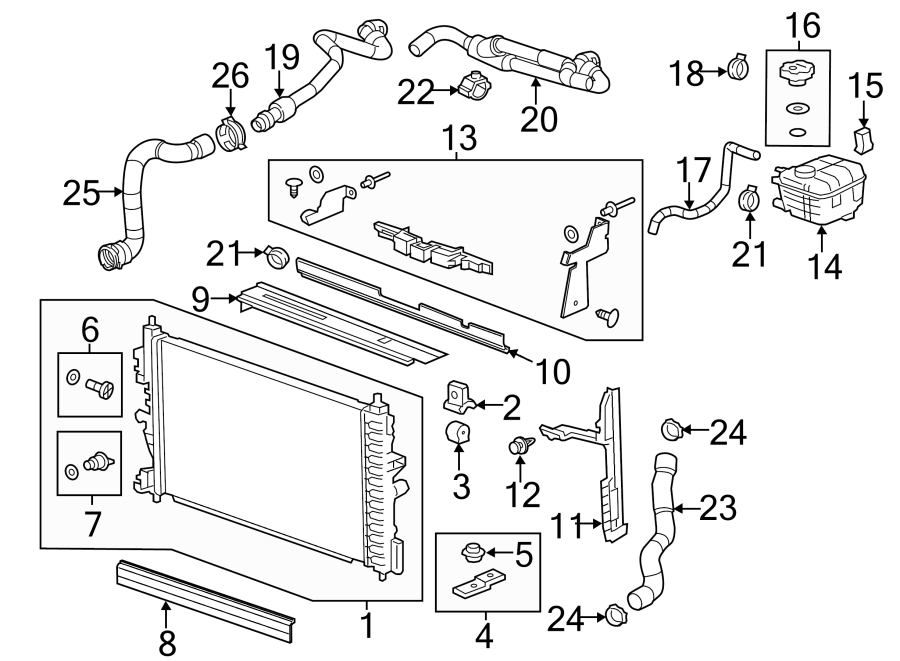
Alright, let's dive into the cooling system of a 2013 Chevy Cruze. Having a solid understanding of this system is crucial, not just for routine maintenance, but also when diagnosing overheating issues, planning modifications, or even just expanding your automotive know-how. We're going to dissect the system, component by component, and show you how it all comes together using the cooling system diagram.
Why This Diagram Matters
A cooling system diagram is your roadmap to understanding how your Cruze's engine stays at the right temperature. It's invaluable for:
- Troubleshooting Overheating: Pinpointing the source of a leak, identifying a malfunctioning component, or tracing coolant flow issues.
- Performing Repairs: Knowing the exact location of parts, the order of disassembly and reassembly, and the proper routing of hoses.
- Planning Modifications: Understanding the impact of upgrades, such as a larger radiator or performance thermostat, on the overall system.
- Preventative Maintenance: Identifying potential problem areas before they lead to major breakdowns.
- Learning and Understanding: Just understanding how this crucial system works can save you money and give you peace of mind.
Key Specs and Main Parts of the 2013 Cruze Cooling System
Before we get into the diagram itself, let's list the key components and some specifications relevant to the 2013 Chevy Cruze cooling system. Note that there might be slight variations depending on the engine (1.4L turbo or 1.8L naturally aspirated), but the fundamental principles remain the same.
- Radiator: This is the primary heat exchanger. Coolant flows through its core, and air passing through the fins dissipates heat. Its capacity is usually around 6-7 liters total system capacity when refilling.
- Radiator Cap: Maintains system pressure (typically around 15-18 PSI). It also includes a pressure relief valve to prevent over-pressurization and a vacuum valve to allow coolant to be drawn back from the overflow tank.
- Thermostat: A temperature-sensitive valve that regulates coolant flow to the radiator. The 1.4L turbo typically uses a thermostat that begins to open around 105°C (221°F). The 1.8L may have a slightly different temperature rating.
- Water Pump: Circulates coolant throughout the engine and cooling system. This is usually belt driven on the Cruze.
- Coolant Hoses: Connect all the components, allowing coolant to flow. There's usually an upper radiator hose, a lower radiator hose, and various heater hoses. Inspect these regularly for cracks and bulges.
- Coolant Reservoir (Overflow Tank): Provides a place for coolant to expand when heated and be drawn back into the system as it cools.
- Cooling Fans: Provide airflow through the radiator, especially when the vehicle is stationary or moving slowly. The Cruze usually has electric cooling fans.
- Engine Coolant Temperature (ECT) Sensor: Monitors the engine coolant temperature and sends a signal to the engine control unit (ECU). This sensor is critical for proper engine operation.
- Heater Core: A small radiator located inside the vehicle's cabin. It provides heat for the passenger compartment.
- Temperature Blend Door Actuator: Not part of the cooling system directly, but integral to how heat in the cabin is regulated by using hot engine coolant from the heater core.
Symbols in the Cooling System Diagram
Understanding the symbols used in the diagram is key to interpreting it correctly. These are some of the common symbols you'll encounter:
- Solid Lines: Generally indicate coolant flow. Thicker lines might represent larger diameter hoses.
- Dotted Lines: Often indicate vacuum lines or signal wires, such as those connected to the ECT sensor.
- Arrows: Show the direction of coolant flow.
- Rectangles: Typically represent components like the radiator, heater core, or coolant reservoir.
- Circles: Often represent sensors or valves.
- Different Colors: Diagrams sometimes use colors to distinguish between different types of coolant lines (e.g., hot coolant vs. cooled coolant). If your diagram is color-coded, make sure to reference the legend.
How the Cooling System Works
The 2013 Cruze's cooling system is a closed-loop system. Here's a simplified overview of its operation:
- The water pump circulates coolant from the engine block, through the cylinder head, and past the exhaust manifold (or turbocharger on 1.4L models). This absorbs heat from the engine.
- The hot coolant then flows to the thermostat.
- If the coolant is below the thermostat's opening temperature, the thermostat remains closed, and the coolant is re-circulated through the engine, bypassing the radiator. This allows the engine to reach operating temperature quickly.
- Once the coolant reaches the thermostat's opening temperature, the thermostat begins to open, allowing coolant to flow to the radiator.
- As the coolant flows through the radiator, heat is dissipated into the atmosphere via airflow (either from the vehicle's motion or from the cooling fans).
- The cooled coolant then returns to the water pump, completing the cycle.
- The coolant reservoir allows for expansion and contraction of the coolant due to temperature changes. It also provides a way to add coolant to the system if needed.
- The heater core provides heat for the vehicle's cabin. Hot coolant is circulated through the heater core, and a fan blows air across it, transferring heat into the cabin.
Real-World Use: Basic Troubleshooting Tips
Here are some common issues and how the cooling system diagram can help you diagnose them:
- Overheating: Check the coolant level, inspect the radiator for obstructions, verify the thermostat is opening, and ensure the cooling fans are operating. The diagram can help you locate the thermostat and ECT sensor.
- Coolant Leaks: Inspect all hoses, connections, the water pump, and the radiator for leaks. The diagram shows the routing of all coolant hoses and the location of each component. Pay close attention to the water pump weep hole, as that indicates a failing water pump.
- No Heat: Check the coolant level, inspect the heater hoses, and verify the blend door actuator is functioning. The diagram will show you the location of the heater core and the heater hoses.
- Coolant Loss without Visible Leaks: This can indicate an internal leak, such as a head gasket failure. While the diagram doesn't directly show internal engine components, understanding the coolant passages is vital for tracing the coolant flow, and if there are no external leaks, the flow may be interrupted by a faulty head gasket.
Safety Considerations
Working on the cooling system can be dangerous if you're not careful. Here are some key safety points:
- Never open the radiator cap when the engine is hot. The system is pressurized, and hot coolant can喷射 (eject) out, causing severe burns. Wait until the engine has cooled down completely before attempting to open the cap.
- Be careful when working around the cooling fans. They can turn on unexpectedly, even when the engine is off. Disconnect the battery to prevent accidental fan activation.
- Coolant is toxic. Avoid spilling coolant and clean up any spills immediately. Dispose of used coolant properly at a recycling center or auto parts store.
- Exercise caution around the exhaust manifold and turbocharger (if equipped). These components can remain hot for a long time after the engine has been shut off. Allow them to cool before working in their vicinity.
With a good understanding of the 2013 Chevy Cruze cooling system diagram and these safety tips, you'll be well-equipped to tackle many cooling system-related tasks. Remember to always consult your vehicle's service manual for specific instructions and torque specifications.
We have the detailed 2013 Chevy Cruze cooling system diagram available for download. This document provides a visual layout of all the cooling system components and their connections, offering the details you need for specific repairs or system modifications.