
2013 Chevy Silverado 5.3 Belt Diagram
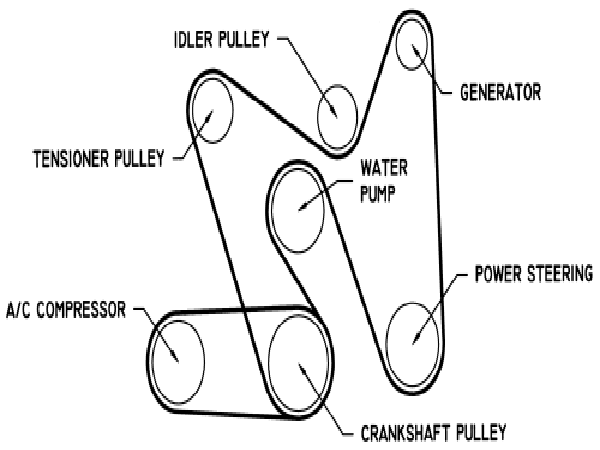
Let's dive into the serpentine belt system of the 2013 Chevy Silverado 5.3L V8. Understanding this system is crucial for preventative maintenance, diagnosing issues, and even performing some repairs yourself. This article provides a comprehensive breakdown of the belt diagram, its components, and how it all works together. We aim to equip you with the knowledge to confidently tackle belt-related issues on your Silverado.
Purpose of the Serpentine Belt Diagram
The serpentine belt diagram is more than just a pretty picture. It's an essential tool for several reasons:
- Accurate Belt Routing: The primary function is to illustrate the correct path the serpentine belt must follow around all the pulleys. Incorrect routing can lead to component failure, belt slippage, and even engine damage.
- Troubleshooting: When you experience belt squealing, component failure (like a failing alternator or power steering pump), or visual belt damage, the diagram helps you identify the specific component potentially causing the issue.
- Replacement: When replacing the belt, the diagram provides a visual reference to ensure proper installation, especially if you're working on a truck you're not entirely familiar with.
- Learning: For aspiring mechanics or those simply interested in understanding their vehicle, the diagram is a great way to learn about the various engine accessories and their relationship to the belt system.
Key Specs and Main Parts of the 2013 Silverado 5.3 Serpentine System
The 2013 Silverado 5.3L uses a single, long serpentine belt to drive multiple engine accessories. These typically include:
- Crankshaft Pulley (Harmonic Balancer): This pulley, connected directly to the crankshaft, is the driving force of the entire system. It's crucial for dampening engine vibrations.
- Alternator: The alternator generates electrical power to recharge the battery and run the electrical systems.
- Power Steering Pump: This pump provides hydraulic pressure to assist steering.
- Air Conditioning Compressor: The A/C compressor circulates refrigerant to cool the cabin.
- Water Pump: The water pump circulates coolant through the engine to regulate temperature.
- Tensioner Pulley: This spring-loaded pulley maintains the correct tension on the serpentine belt. It’s crucial for preventing slippage and excessive wear.
- Idler Pulley(s): These smooth pulleys simply guide the belt and provide the necessary wrap around other components. Some configurations may have multiple idler pulleys.
The specific length and type of serpentine belt are critical. Refer to your owner's manual or a parts catalog to determine the correct belt for your Silverado. Using the wrong belt can lead to premature failure and component damage.
Understanding the Serpentine Belt Diagram Symbols
Serpentine belt diagrams typically use a few standard symbols to represent the components and belt path. Understanding these symbols is crucial for interpreting the diagram correctly.
- Solid Lines: Represent the path of the serpentine belt. These lines show how the belt wraps around each pulley.
- Dashed Lines (Sometimes): In some diagrams, dashed lines indicate the rear or hidden portion of the belt. This helps visualize the belt's three-dimensional routing.
- Circles: Each circle represents a pulley. The size of the circle isn't necessarily proportional to the actual pulley size.
- Component Labels: Each pulley is labeled with an abbreviation or name indicating the component it drives (e.g., ALT for Alternator, P/S for Power Steering).
- Arrow(s): An arrow on the belt path indicates the direction of belt rotation. This is vital for ensuring the belt is installed correctly.
- Tensioner Symbol: The tensioner pulley is often depicted with a spring or an arrow indicating the direction of tension. It is crucial to identify this, as this is the component you will need to use to take the belt off or put it on.
Color-coding is rare on serpentine belt diagrams. If color is used, it might highlight specific sections of the belt path, but this is not a standard practice.
How the Serpentine Belt System Works
The serpentine belt system is a relatively simple, yet crucial, system. The crankshaft pulley, driven directly by the engine, powers the entire system. As the crankshaft rotates, it turns the serpentine belt, which in turn drives all the engine accessories. The tensioner pulley maintains the correct belt tension, preventing slippage and ensuring efficient power transfer.
The order in which the belt wraps around the pulleys is critical. This order is dictated by the engine design and the placement of the accessories. The belt must have sufficient wrap around each pulley to prevent slippage. This is why idler pulleys are often used to redirect the belt and increase the wrap angle.
The tensioner pulley plays a vital role in the system. Over time, belts stretch and wear. The tensioner automatically compensates for this wear by maintaining constant tension. A failing tensioner can lead to belt slippage, noise, and premature belt failure.
Real-World Use: Basic Troubleshooting Tips
Here are some common issues you might encounter with your Silverado's serpentine belt system and how the diagram can help:
- Belt Squeal: A squealing belt is often a sign of slippage. Check the belt tensioner for proper operation. Use the diagram to verify the belt is routed correctly and that all pulleys are aligned. Also, look for glazed, cracked, or worn belt.
- Component Failure: If an accessory, like the alternator or power steering pump, fails, it can put excessive strain on the belt, causing it to slip or break. Use the diagram to visually inspect the pulleys for damage or binding. Try spinning each pulley by hand (engine off, of course!) to check for smooth rotation.
- Belt Damage: Visually inspect the belt for cracks, fraying, or missing chunks. A damaged belt should be replaced immediately. The diagram helps you identify the correct routing path for the new belt.
- Battery Light On If your battery light comes on, it is possible your alternator is not charging, which is related to the serpentine belt not having enough tension to spin the alternator pulley.
When troubleshooting, remember to always start with a visual inspection. Look for obvious signs of damage, misalignment, or wear. Then, use the diagram to verify the belt routing and check the tensioner. A mechanics stethoscope can also be used to listen to each component as it runs to try to diagnose the cause of a squealing or grinding noise.
Safety Considerations
Working on the serpentine belt system can be dangerous if you're not careful. Here are some key safety precautions:
- Disconnect the Negative Battery Terminal: This prevents accidental starting of the engine while you're working on the system.
- Never Put Your Hands Near Moving Parts: The serpentine belt and pulleys rotate at high speeds. Keep your hands and clothing clear of these moving parts when the engine is running.
- Be Aware of Hot Components: The engine and exhaust system can get extremely hot. Allow the engine to cool down before working on the belt system.
- Tensioner Spring: The tensioner pulley is under spring pressure. Use the appropriate tool (usually a serpentine belt tool) to release the tension safely when removing or installing the belt. Never attempt to release the tensioner with your bare hands.
The crankshaft pulley (harmonic balancer) is a particularly risky component. It is connected directly to the engine's rotating assembly. If you're working near it, be extremely cautious and avoid any contact with it while the engine is running.
Finally, remember to consult your Silverado's service manual for specific instructions and torque specifications. This article provides a general overview, but the service manual will offer detailed information specific to your vehicle.
You now possess a solid understanding of the 2013 Chevy Silverado 5.3L serpentine belt system. You're equipped to perform basic maintenance, diagnose common issues, and even replace the belt yourself, all while prioritizing safety. Remember always consult your vehicle's repair manual when performing maintenance. For your convenience, we have a serpentine belt diagram for the 2013 Chevy Silverado 5.3L readily available for download. Use this resource alongside the knowledge you've gained here to tackle your next automotive project with confidence. Remember to always prioritize safety when working on your vehicle.