
2013 Nissan Pathfinder Fuse Box Diagram
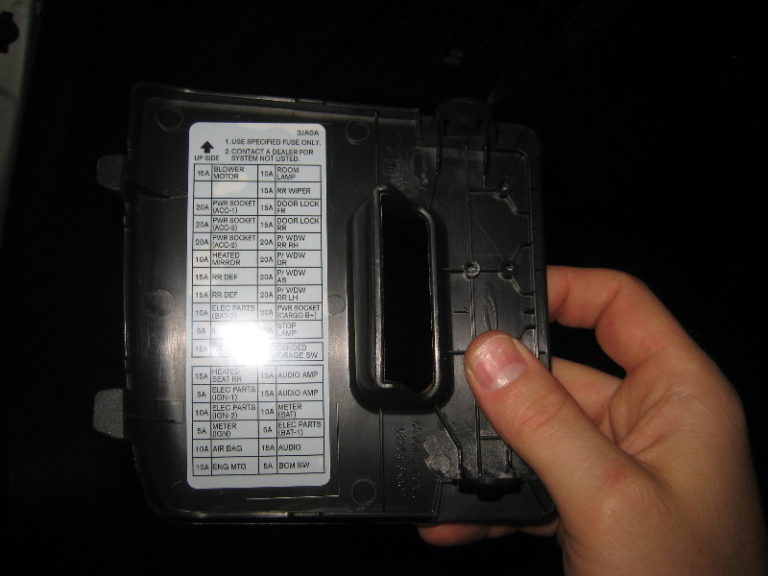
Understanding the fuse box diagram in your 2013 Nissan Pathfinder is crucial for any DIY mechanic or car owner looking to perform basic maintenance, troubleshoot electrical issues, or even undertake minor modifications. This article will serve as a comprehensive guide to navigating the 2013 Pathfinder's fuse system, covering everything from its purpose to practical troubleshooting tips. We'll break down the technical jargon and symbols, empowering you to diagnose and potentially fix electrical problems yourself.
Why Understanding the Fuse Box Diagram Matters
The fuse box is the central hub for electrical protection in your vehicle. Each fuse safeguards a specific circuit, preventing damage from overcurrent situations. Think of them as miniature circuit breakers for your car. A blown fuse is often the first sign of an electrical problem. Having a clear understanding of the fuse box diagram allows you to:
- Identify the correct fuse: Quickly pinpoint the fuse responsible for a malfunctioning component (e.g., headlights, radio, power windows).
- Troubleshoot electrical issues: Determine if a blown fuse is the root cause of a problem.
- Perform basic repairs: Replace a blown fuse, restoring functionality to the affected circuit.
- Plan modifications: Safely tap into existing circuits for aftermarket accessories (e.g., adding a trailer brake controller). Always proceed with caution and proper research when modifying electrical systems.
- Avoid costly mechanic visits: Diagnose and potentially resolve minor electrical issues yourself, saving time and money.
Without a diagram, you're essentially guessing. Pulling fuses randomly can create more problems than it solves. That's why having access to and understanding the 2013 Nissan Pathfinder fuse box diagram is so important.
Key Specs and Main Parts
The 2013 Nissan Pathfinder typically has two main fuse box locations:
- Interior Fuse Box: Usually located under the dashboard on the driver's side. This box primarily handles fuses for interior components like lights, radio, power accessories, and the instrument panel.
- Engine Compartment Fuse Box: Located under the hood, often near the battery. This box contains fuses for vital engine and vehicle systems such as the engine control unit (ECU), fuel pump, starter motor, and headlights.
Here are some key specifications to keep in mind:
- Fuse Types: The 2013 Pathfinder uses a variety of fuse types, primarily blade-type fuses (ATO/ATC) of different sizes (mini, standard). Less commonly, you might find cartridge fuses. Always replace a blown fuse with the same type and amperage rating.
- Amperage Ratings: Fuses are rated in amps (A). The amperage rating indicates the maximum current the fuse can handle before blowing. Typical ratings range from 5A to 40A.
- Fuse Puller: A small plastic tool designed to safely remove fuses. Usually located in one of the fuse boxes.
The fuse box cover itself is also a critical component. It usually contains the fuse diagram, although a paper copy might also be in the owner's manual.
Understanding the Fuse Box Diagram Symbols
Fuse box diagrams are essentially visual keys, providing a map of which fuse controls which circuit. Understanding the symbols is crucial for accurate troubleshooting.
- Lines: Lines represent electrical circuits. A continuous line usually indicates a direct connection, while a dashed line might represent a secondary or less critical circuit.
- Fuse Symbols: The fuse itself is usually represented by a simple zigzag line within a rectangle.
- Component Icons: Each fuse is typically labeled with an icon representing the component it protects. Common icons include:
- Lightbulb: Headlights, taillights, interior lights
- Radio: Audio system
- Fan: Blower motor (for climate control)
- Window: Power windows
- Engine Symbol: Engine Control Unit (ECU) or other engine-related components
- Fuel Pump Symbol: Fuel pump relay circuit
- Color Coding: While not always consistent across all diagrams, some diagrams may use color coding to distinguish between different types of circuits or amperage ratings. Consult your specific diagram for color-coding conventions.
- Numerical Labels: Each fuse location is typically assigned a number or letter-number combination. This corresponds to the number or combination printed on the fuse box diagram.
It's crucial to consult the specific diagram for your 2013 Nissan Pathfinder, as variations may exist based on trim level and optional equipment.
How It Works
The fuse box serves as a central distribution and protection point for the vehicle's electrical system. Power from the battery flows through the main power distribution block and is then routed to various circuits via individual fuses. Each fuse is designed to protect a specific circuit from overcurrent. When the current flowing through a circuit exceeds the fuse's amperage rating, the fuse's internal element melts, breaking the circuit and preventing damage to the protected component. This is why a blown fuse "breaks" the connection.
The system works based on Ohm's Law (V=IR). If the resistance (R) in a circuit suddenly decreases (e.g., due to a short circuit), the current (I) will increase dramatically for a given voltage (V). The fuse is designed to detect this increase in current and interrupt the circuit before damage occurs.
Real-World Use: Basic Troubleshooting Tips
Here's how to use the fuse box diagram for basic troubleshooting:
- Identify the Symptom: Determine which component is malfunctioning (e.g., the radio won't turn on).
- Consult the Diagram: Locate the fuse on the diagram that corresponds to the malfunctioning component.
- Inspect the Fuse: Using a fuse puller, carefully remove the fuse. Visually inspect it. A blown fuse will typically have a broken filament inside. You can also use a multimeter to test for continuity across the fuse. A good fuse will show continuity (a reading of near zero ohms).
- Replace the Fuse: If the fuse is blown, replace it with a new fuse of the exact same type and amperage rating. Using a fuse with a higher amperage rating can overload the circuit and cause significant damage, potentially even a fire.
- Test the Component: After replacing the fuse, test the component to see if the problem is resolved.
- If the Fuse Blows Again: If the new fuse blows immediately or shortly after replacement, it indicates a more serious underlying problem in the circuit. This could be a short circuit, damaged wiring, or a faulty component. In this case, further diagnosis by a qualified mechanic is recommended.
Safety Considerations
Working with electrical systems can be dangerous. Keep these safety precautions in mind:
- Disconnect the Battery: Before working on the fuse box, disconnect the negative (-) battery terminal to prevent accidental short circuits.
- Use the Correct Tools: Always use a fuse puller to remove fuses. Avoid using pliers or screwdrivers, as these can damage the fuse box.
- Never Replace a Fuse with a Higher Amperage: As mentioned earlier, this is a serious safety hazard.
- Avoid Working in Wet Conditions: Water and electricity are a dangerous combination.
- Be Aware of High-Current Fuses: Some fuses, particularly those in the engine compartment, protect high-current circuits (e.g., the starter motor). These circuits can deliver a significant shock. Exercise extreme caution when working with these fuses.
- Airbags: Be aware of any fuse that protects the airbag system. Tampering with this system can be extremely dangerous.
By following these safety precautions and understanding the information in this article, you'll be well-equipped to navigate the 2013 Nissan Pathfinder's fuse system and address minor electrical issues with confidence.
We have a downloadable copy of the 2013 Nissan Pathfinder Fuse Box Diagram available. Contact us with the subject line "2013 Pathfinder Fuse Diagram" and we will send you the file.