
2014 Chevy Cruze Coolant Hose Diagram
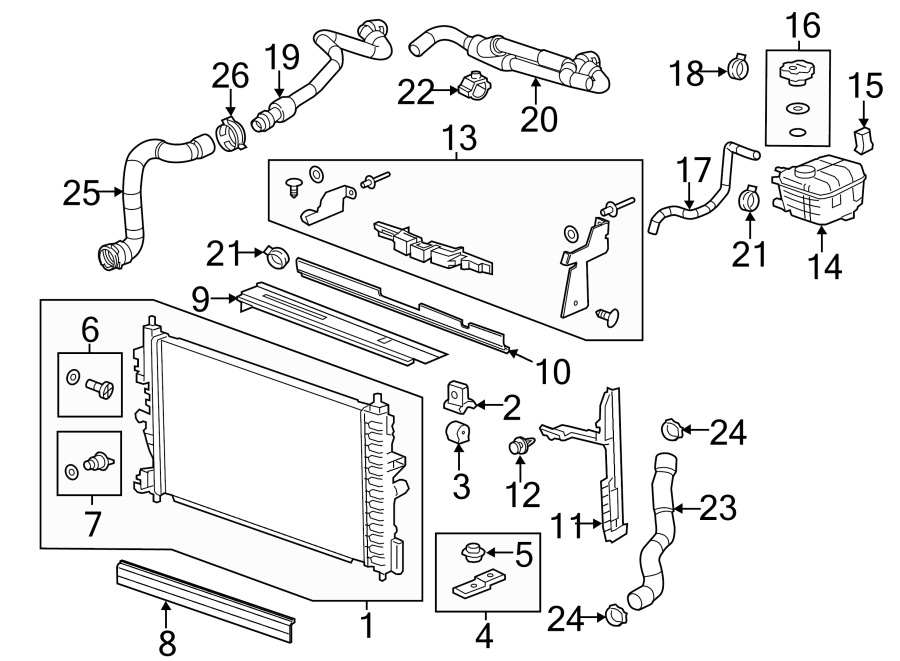
Maintaining the cooling system in your 2014 Chevy Cruze is critical for preventing overheating and engine damage. A key component of this maintenance is understanding the coolant hose layout. This article serves as a detailed guide to the 2014 Chevy Cruze coolant hose diagram, providing you with the knowledge to perform repairs, modifications, or simply enhance your understanding of your vehicle's cooling system. We’ll cover the purpose of the diagram, key components, how the system works, real-world troubleshooting, safety precautions, and more. We even have the complete diagram available for download, linked at the end of this article.
Purpose of the Coolant Hose Diagram
The coolant hose diagram is essentially a roadmap of the cooling system. Its purpose is multifaceted:
- Diagnosis and Repair: When troubleshooting cooling system issues like leaks, overheating, or coolant loss, the diagram helps you quickly identify the affected hoses and their connections.
- Maintenance: Regularly inspecting the hoses for cracks, swelling, or deterioration is crucial. The diagram allows you to locate and inspect each hose efficiently.
- Modification and Upgrade: If you're planning any performance upgrades that involve the cooling system, such as installing a larger radiator or an aftermarket coolant reservoir, the diagram provides the necessary information for proper installation and routing.
- Education: Understanding the coolant hose layout can improve your overall understanding of how your engine functions.
Key Specs and Main Parts of the 2014 Chevy Cruze Cooling System
The 2014 Chevy Cruze comes with several engine options, primarily the 1.8L naturally aspirated engine and the 1.4L turbocharged engine. While the fundamental principles of the cooling system remain the same, the specific routing and placement of hoses can differ slightly between these engines. Here are the main components:
- Radiator: The primary heat exchanger, dissipating heat from the coolant into the atmosphere. Key specs include its core size (surface area), fin density, and material (aluminum or copper).
- Radiator Hoses (Upper and Lower): These large-diameter hoses connect the engine to the radiator, allowing coolant to circulate between the two. The upper radiator hose carries hot coolant from the engine to the radiator, while the lower radiator hose returns cooled coolant to the engine.
- Heater Hoses: These hoses circulate coolant through the heater core, providing heat for the cabin.
- Bypass Hose: This hose allows coolant to circulate within the engine block when the thermostat is closed, preventing localized overheating.
- Coolant Reservoir (Expansion Tank): This tank allows for coolant expansion and contraction due to temperature changes. It also acts as a reserve, providing coolant to the system as needed.
- Thermostat: A temperature-sensitive valve that regulates coolant flow to the radiator, maintaining the engine's operating temperature.
- Water Pump: A mechanical pump, driven by the engine's serpentine belt, that circulates coolant throughout the system.
- Hose Clamps: These clamps secure the hoses to their respective connections, preventing leaks. Typically, they are either worm-drive clamps or spring clamps.
Understanding Symbols on the Coolant Hose Diagram
The coolant hose diagram uses specific symbols to represent different components and fluid flow. Here's a breakdown:
- Solid Lines: Generally, solid lines represent coolant hoses. Thicker lines might indicate the main radiator hoses, while thinner lines represent smaller hoses.
- Dashed Lines: These lines often indicate vacuum lines or electrical connections associated with the cooling system, such as the temperature sensor wiring.
- Arrows: Arrows indicate the direction of coolant flow within the hoses. This is crucial for understanding how the system circulates.
- Color Coding (if present): While not always present on all diagrams, color coding can be helpful. For example, red might indicate the hot coolant side, and blue the cooled coolant side.
- Component Symbols: Each component (radiator, water pump, thermostat, etc.) will have a simplified icon. Familiarize yourself with these symbols to quickly identify each part.
How the 2014 Chevy Cruze Cooling System Works
The cooling system works on a closed-loop principle, circulating coolant throughout the engine and radiator to maintain a consistent operating temperature. Here’s a simplified explanation:
- The water pump circulates coolant through the engine block, absorbing heat generated by combustion.
- Hot coolant exits the engine through the upper radiator hose and enters the radiator.
- Inside the radiator, the coolant flows through thin channels surrounded by fins. Air passing through the fins dissipates heat from the coolant into the atmosphere.
- Cooled coolant exits the radiator through the lower radiator hose and returns to the engine.
- The thermostat regulates coolant flow to the radiator based on engine temperature. When the engine is cold, the thermostat remains closed, allowing coolant to bypass the radiator and circulate within the engine block, promoting faster warm-up. Once the engine reaches its operating temperature, the thermostat opens, allowing coolant to flow to the radiator for cooling.
- The coolant reservoir provides a space for coolant to expand and contract as its temperature changes. It also serves as a reserve, supplying coolant to the system if the level drops.
Real-World Use: Basic Troubleshooting Tips
Using the coolant hose diagram for troubleshooting can save you time and money. Here are a few scenarios:
- Coolant Leak: If you notice a coolant leak, use the diagram to identify the source. Trace the hoses from the leak to their connections and inspect the hoses and clamps for damage. Check for white or green residue, indicating dried coolant.
- Overheating: Overheating can be caused by a variety of factors, including a faulty thermostat, a clogged radiator, or a failing water pump. The diagram can help you isolate the problem. For example, if the upper radiator hose is hot but the lower radiator hose is cold, the radiator might be clogged.
- Heater Not Working: If your heater is blowing cold air, check the heater hoses. If both heater hoses are cold, there might be an issue with the thermostat or coolant level. If one hose is hot and the other is cold, the heater core might be clogged.
Safety Precautions
Working with the cooling system involves inherent risks. Consider these precautions:
- Hot Coolant: Never remove the radiator cap or any coolant hose while the engine is hot. The system is pressurized, and hot coolant can cause severe burns. Allow the engine to cool completely before working on the system.
- Coolant Toxicity: Coolant is toxic. Avoid contact with skin and eyes. If coolant spills, clean it up immediately and dispose of it properly.
- Pressure: Be aware that even after the engine has cooled, the cooling system may still be under some pressure. Release the pressure slowly by loosening the radiator cap (with a rag over it) before fully removing it.
- Moving Parts: Ensure the engine is off and the key is removed from the ignition before working near any moving parts, such as the serpentine belt and water pump.
By understanding the 2014 Chevy Cruze coolant hose diagram and following these safety precautions, you can confidently diagnose and repair cooling system issues, ensuring the longevity and performance of your vehicle. Remember, if you are uncomfortable performing any of these tasks, it's always best to consult a qualified mechanic.
We have the complete 2014 Chevy Cruze coolant hose diagram available for you. Download it here: [Link to Downloadable Diagram]