
2014 Chevy Cruze Radiator Hose Diagram
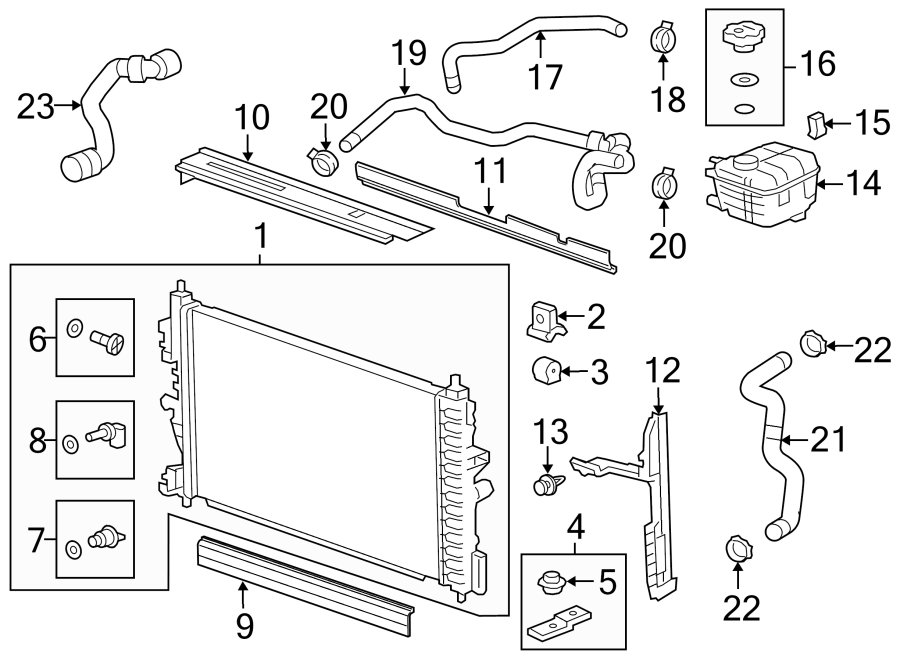
Let's dive into the radiator hose diagram for a 2014 Chevy Cruze. Understanding this diagram is crucial for various reasons, from routine maintenance to troubleshooting cooling system issues, or even if you are planning modifications that involve the cooling system. This guide will help you navigate the diagram and understand the function of each component. We even have the full diagram available for download at the end of this article.
Purpose of the Radiator Hose Diagram
The radiator hose diagram serves as a roadmap for the Cruze's cooling system. It provides a visual representation of the path coolant takes throughout the engine, radiator, and other related components. This information is essential for:
- Diagnosis and Repair: Identifying leaks, clogs, or damaged hoses.
- Maintenance: Knowing which hoses to inspect and replace during scheduled maintenance.
- Component Identification: Locating specific parts within the cooling system.
- Modifications: Understanding how the cooling system interacts with other engine components if you're planning aftermarket upgrades.
Key Specs and Main Parts of the 2014 Chevy Cruze Cooling System
Before we get into the diagram itself, let's define some key components and specifications. The 2014 Cruze, depending on the engine (1.4L Turbo or 1.8L Naturally Aspirated), will have slightly different configurations, but the core principles remain the same. This explanation focuses on common elements found in both variants.
- Radiator: The primary heat exchanger, responsible for dissipating heat from the coolant.
- Radiator Hoses (Upper and Lower): Flexible rubber or silicone hoses connecting the engine to the radiator. The upper radiator hose carries hot coolant *from* the engine to the radiator, and the lower radiator hose returns cooled coolant *to* the engine.
- Thermostat: A temperature-sensitive valve that regulates coolant flow to maintain optimal engine operating temperature.
- Thermostat Housing: The enclosure that holds the thermostat, usually bolted to the engine.
- Water Pump: Circulates coolant throughout the engine and cooling system.
- Coolant Reservoir (Expansion Tank): A reservoir that holds excess coolant and allows for expansion and contraction due to temperature changes.
- Heater Core: A small radiator located in the dashboard that provides heat for the cabin.
- Heater Hoses: Hoses that carry coolant to and from the heater core.
- Coolant Temperature Sensor (CTS): Monitors the coolant temperature and sends data to the engine control unit (ECU).
Specifications to Note:
While the diagram doesn't explicitly list specifications, it's important to know:
- Coolant Type: Dex-Cool, an OAT (Organic Acid Technology) coolant is the factory fill. Using the incorrect coolant can cause corrosion and damage.
- Operating Temperature: The normal operating temperature for the 2014 Cruze is typically between 190-220°F (88-104°C).
- Hose Diameter: Radiator hose diameters vary, so it's crucial to use the correct size when replacing them.
Understanding Diagram Symbols
Radiator hose diagrams use standardized symbols to represent different components and connections. Here's a breakdown of common symbols:
- Solid Lines: Represent coolant hoses or pipes. Thicker lines may indicate main coolant lines.
- Dashed Lines: Often indicate vacuum lines or other non-coolant lines that may be related to the cooling system's function (e.g., vacuum lines for controlling coolant flow valves).
- Arrows: Indicate the direction of coolant flow.
- Circles or Squares: Represent components like the thermostat housing, water pump, or coolant temperature sensor. Specific shapes may denote specific types of components. Refer to the legend accompanying the diagram for clarification.
- Color Coding: While not always present, color coding can help differentiate between different hose types or coolant circuits. For example, red might indicate hot coolant, and blue might indicate cooler coolant. The legend will explain the color scheme.
How the 2014 Chevy Cruze Cooling System Works
The cooling system in your Cruze operates on a closed-loop principle. Here's the basic cycle:
- The water pump circulates coolant through the engine block and cylinder head, absorbing heat generated by combustion.
- The hot coolant flows through the upper radiator hose to the radiator.
- Inside the radiator, heat is dissipated into the air as air flows through the radiator core.
- The cooled coolant exits the radiator through the lower radiator hose and returns to the engine.
- The thermostat regulates the flow of coolant. When the engine is cold, the thermostat restricts coolant flow to the radiator, allowing the engine to warm up quickly. Once the engine reaches its operating temperature, the thermostat opens, allowing coolant to flow to the radiator.
- The coolant reservoir accommodates the expansion and contraction of coolant as its temperature changes.
- Coolant also circulates through the heater core, providing heat for the vehicle's cabin.
Real-World Use and Basic Troubleshooting
The radiator hose diagram is invaluable for troubleshooting cooling system problems. Here are a few scenarios:
- Coolant Leaks: Use the diagram to trace the coolant lines and identify the source of the leak. Common leak points include hose connections, the water pump, and the radiator. Look for signs of dried coolant (often reddish-orange due to Dex-Cool).
- Overheating: If the engine is overheating, the diagram can help you check for restrictions in the coolant flow. Make sure the radiator hoses aren't collapsed or kinked. Verify the thermostat is opening properly.
- No Heat in the Cabin: If you're not getting heat in the cabin, check the heater hoses for clogs or leaks. Ensure the heater control valve (if equipped) is functioning correctly.
- Replacing a Hose: The diagram shows the routing of each hose, making it easier to remove the old hose and install the new one correctly. Always use hose clamps designed for automotive use.
Example: Let's say you notice a coolant leak near the front of the engine. Consulting the diagram, you can identify the water pump and its associated hoses. You can then inspect those components for leaks or damage. If the leak is coming from a hose connection, try tightening the clamp. If the hose itself is cracked or damaged, it needs to be replaced.
Safety Precautions
Working on the cooling system can be dangerous due to the high temperatures and pressures involved. Here are some safety precautions:
- Never open the radiator cap or coolant reservoir cap when the engine is hot. Coolant can be under pressure and can spray out, causing severe burns. Wait for the engine to cool down completely before opening the system.
- Always wear eye protection when working on the cooling system. Coolant can irritate the eyes.
- Be careful when working around the exhaust manifold and other hot engine components.
- Dispose of used coolant properly. It is toxic and harmful to the environment. Most auto parts stores will accept used coolant for recycling.
- The electric cooling fan can turn on at any time, even when the engine is off. Disconnect the battery or fan motor connector for extra safety when working near the fan.
The thermostat housing, particularly on the 1.4L turbo engine, is often made of plastic and can become brittle over time. Exercise caution when removing or tightening bolts to avoid cracking the housing. Additionally, coolant is incredibly slippery and can cause a fall. Clean up any spills immediately.
By understanding the 2014 Chevy Cruze radiator hose diagram and following these safety precautions, you can confidently tackle cooling system repairs and maintenance tasks. Remember to always consult the vehicle's repair manual for specific instructions and torque specifications.
We have the complete 2014 Chevy Cruze Radiator Hose Diagram available for download. Click here to download the file (link placeholder - replace with actual download link).