
2014 Dodge Journey 3.6 Serpentine Belt Diagram
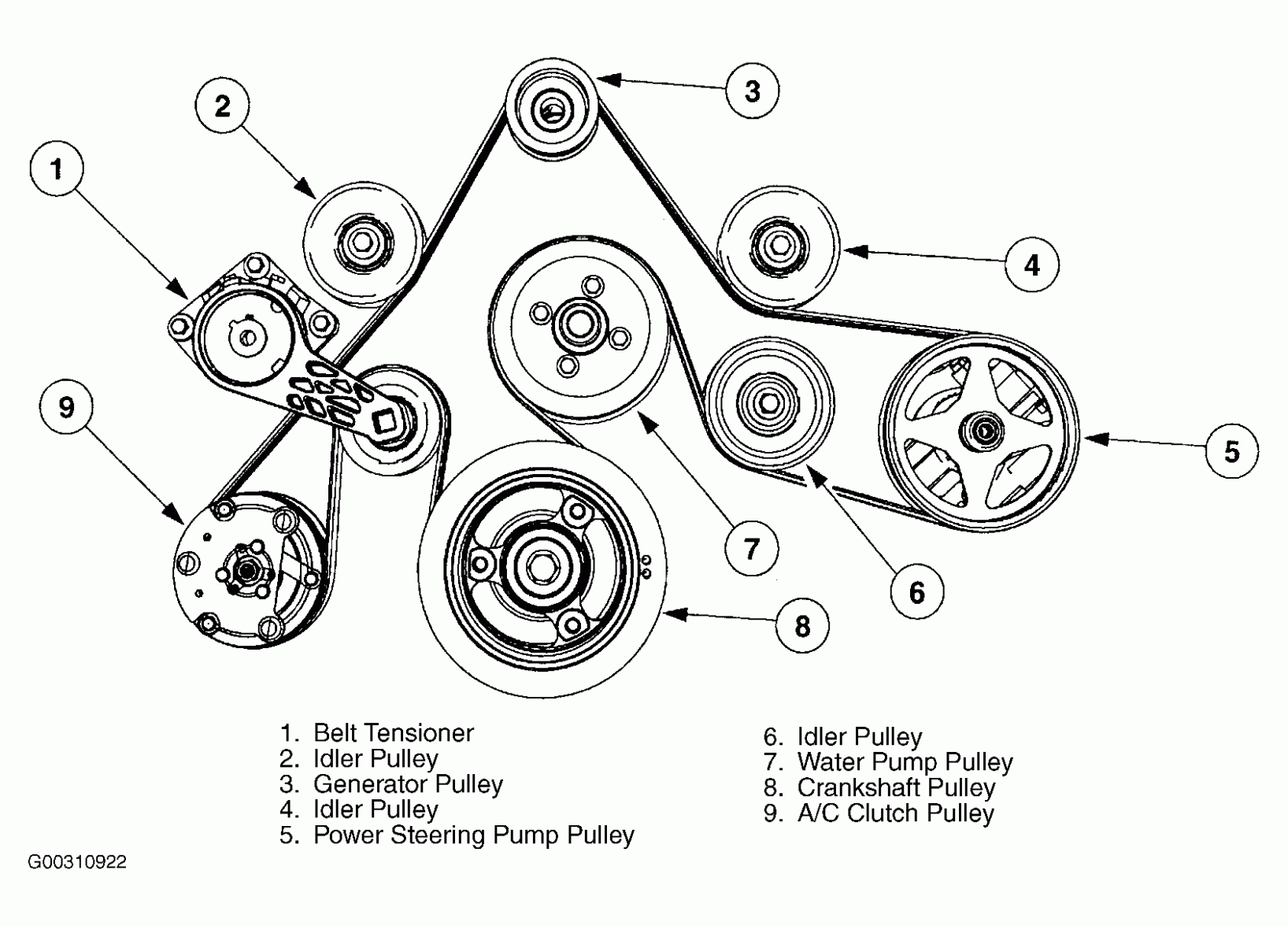
For the intermediate DIY mechanic or car enthusiast, understanding the serpentine belt system in your 2014 Dodge Journey with the 3.6L Pentastar V6 engine is crucial for routine maintenance, troubleshooting, and repairs. This article will provide a detailed breakdown of the serpentine belt diagram, equipping you with the knowledge to confidently tackle this area of your vehicle.
Purpose of the Serpentine Belt Diagram
The serpentine belt diagram is essentially a roadmap for the serpentine belt. Its main purposes are:
- Maintenance and Replacement: The diagram shows the correct routing of the belt around all the pulleys, ensuring proper operation after replacement. Incorrect routing can lead to component failure and belt slippage.
- Troubleshooting: By referencing the diagram, you can visually inspect the belt's path and identify potential issues, like misaligned pulleys, worn belts, or failing components.
- Learning: Understanding the diagram improves your overall knowledge of engine mechanics and the function of various accessories.
- Repair: When replacing components like the alternator, power steering pump, or AC compressor, the diagram ensures correct belt reinstallation.
Key Specs and Main Parts of the Serpentine Belt System (2014 Dodge Journey 3.6L)
The serpentine belt system for the 2014 Dodge Journey 3.6L engine is responsible for driving various engine accessories. Here are the key components:
- Serpentine Belt: A single, long belt typically made of reinforced rubber. It transmits power from the crankshaft to the various accessories. The proper belt for this engine is typically a multi-rib (also known as a poly-v belt) design and the specific length varies so always refer to your vehicle's service manual.
- Crankshaft Pulley (Damper): Connected directly to the crankshaft, this pulley receives the engine's power and drives the serpentine belt. It also functions as a harmonic balancer, damping torsional vibrations from the crankshaft.
- Alternator Pulley: The alternator converts mechanical energy from the engine into electrical energy to power the vehicle's electrical system and charge the battery.
- Power Steering Pump Pulley: The power steering pump provides hydraulic pressure to assist in steering, making the vehicle easier to maneuver.
- Air Conditioning (A/C) Compressor Pulley: The A/C compressor circulates refrigerant in the air conditioning system, providing cool air to the cabin.
- Idler Pulley(s): Smooth, bearing-mounted pulleys that guide the belt and maintain proper tension. There can be one or more idler pulleys.
- Tensioner Pulley: A spring-loaded pulley that maintains the correct tension on the serpentine belt. Proper tension is critical for optimal performance and belt life. The tensioner often has a lever or square socket to relieve tension during belt removal and installation.
Serpentine Belt Diagram Symbols Explained
Understanding the symbols used in the serpentine belt diagram is crucial for proper interpretation. Here's a breakdown:
- Solid Line: Represents the path of the serpentine belt. The thickness may vary to indicate the belt width.
- Pulley Symbols: Each pulley is depicted as a circle. Sometimes the pulley will be labeled with the component it is attached to (e.g., ALT for alternator, AC for air conditioning compressor, PS for power steering).
- Direction Arrows: Small arrows indicate the direction of pulley rotation. This is important for understanding which side of the belt (ribbed or smooth) makes contact with each pulley.
- Tensioner Symbol: The tensioner is often represented by a pulley symbol with an arrow indicating the direction of the spring-loaded tension.
- Grooved/Ribbed vs. Smooth Surfaces: The diagram implicitly indicates whether the ribbed or smooth side of the belt contacts a specific pulley. The ribbed side contacts grooved pulleys (crankshaft, alternator, A/C compressor, power steering pump), while the smooth side typically contacts the idler and tensioner pulleys.
How the Serpentine Belt System Works
The serpentine belt system is a relatively simple yet vital part of your engine. Here's how it works:
- The engine's crankshaft rotates, driving the crankshaft pulley.
- The serpentine belt, wrapped around the crankshaft pulley and various accessory pulleys, transfers this rotational force to the other components.
- As the belt turns the alternator pulley, the alternator generates electricity.
- The power steering pump pulley drives the pump, providing hydraulic pressure for steering.
- The A/C compressor pulley drives the compressor, enabling air conditioning.
- The idler pulley(s) guide the belt and maintain proper wrap angle on the driven pulleys.
- The tensioner pulley automatically adjusts to maintain optimal belt tension as the belt wears or the engine heats up and cools down.
Real-World Use: Basic Troubleshooting Tips
Here are some common problems and how to troubleshoot them using the serpentine belt diagram:
- Squealing Noise: A squealing noise from the engine compartment is a common symptom of a slipping serpentine belt. This can be caused by a worn belt, a loose tensioner, or a contaminated pulley. Inspect the belt for cracks, fraying, or glazing. Check the tensioner for proper movement and spring force. Use the diagram to ensure the belt is routed correctly. Clean pulleys with a wire brush if necessary to remove debris.
- Accessory Failure: If an accessory like the alternator or A/C compressor stops working, check the serpentine belt. A broken or detached belt will prevent the accessory from functioning. Use the diagram to verify the belt path and ensure it's properly engaged with the accessory pulley.
- Visible Cracks or Wear: Regularly inspect the serpentine belt for signs of wear, such as cracks, fraying, or missing ribs. Replace the belt if any of these conditions are present. Compare the old belt's routing to the diagram before removing it to ensure correct installation of the new belt.
- Belt Slippage: This can be caused by a worn belt, a weak tensioner, or misaligned pulleys. A weak tensioner will not maintain adequate pressure on the belt. Misaligned pulleys will cause the belt to run off track and wear prematurely. Use a straight edge to check pulley alignment.
- Idler Pulley Noise: A failing idler pulley can create a grinding or rattling noise. These pulleys should spin freely and without excessive play. Refer to the diagram to locate and identify each idler pulley.
Safety Considerations
Working on the serpentine belt system involves certain safety risks. Always disconnect the negative battery cable before starting any work. Never put your hands or tools near a rotating engine. Be especially careful around the crankshaft pulley, as it rotates at high speed and can cause serious injury. The tensioner pulley is spring-loaded and can snap back forcefully if not handled properly. Wear safety glasses to protect your eyes from debris. Allow the engine to cool completely before working on the belt system, as components can become very hot.
The tensioner is under significant spring pressure. When removing or installing the belt, use the correct tools (usually a wrench or socket) to relieve the tension on the tensioner. Slowly release the tensioner to avoid damage or injury. Be sure the belt is seated correctly on all pulleys before releasing the tensioner completely. Always double-check your work against the diagram before starting the engine.
Finally, remember to properly dispose of the old serpentine belt. Many auto parts stores will recycle used belts.
We have a high-resolution serpentine belt diagram for the 2014 Dodge Journey 3.6L engine available for download. This diagram provides a clear and detailed view of the belt routing, making it easier to understand and work on your vehicle's serpentine belt system.