
2014 Nissan Altima Serpentine Belt Diagram
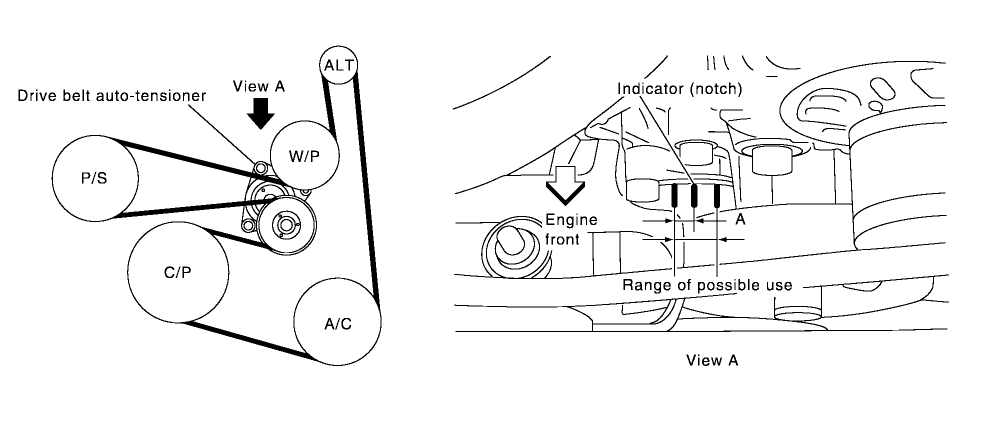
Let's dive into the serpentine belt system of the 2014 Nissan Altima. This article will break down the serpentine belt diagram, explaining its purpose, key components, and how to use it for maintenance and troubleshooting. Understanding this system is crucial for any DIY mechanic, as a failed serpentine belt can leave you stranded and potentially damage other engine components.
Purpose of the Serpentine Belt Diagram
The serpentine belt diagram, also known as a belt routing diagram, is your visual guide to understanding how the serpentine belt is routed around various engine accessories. It’s essential for several reasons:
- Maintenance and Repair: When replacing the serpentine belt, the diagram ensures you install it correctly. Incorrect routing can lead to improper function of the accessories, belt slippage, and premature wear.
- Troubleshooting: If an accessory isn't working (e.g., the alternator isn't charging), the diagram helps you check if the belt is properly engaged and tensioned on the corresponding pulley.
- Part Identification: The diagram can sometimes help identify the type and length of the serpentine belt you need.
- General Understanding: Even if you're not currently working on your car, familiarizing yourself with the serpentine belt system gives you a better understanding of how your engine works.
Key Specs and Main Parts of the 2014 Nissan Altima Serpentine Belt System
The 2014 Nissan Altima typically comes with one of two engine options: a 2.5L inline-4 (QR25DE) or a 3.5L V6 (VQ35DE). The serpentine belt routing differs slightly between these two engines, but the basic principles remain the same.
Here are the main components connected by the serpentine belt:
- Crankshaft Pulley: This pulley is driven directly by the engine's crankshaft and provides the rotational power for the entire serpentine belt system.
- Alternator Pulley: The alternator generates electrical power for the car's systems. The serpentine belt spins the alternator, allowing it to charge the battery and power electrical components.
- Power Steering Pump Pulley: The power steering pump provides hydraulic assistance to make steering easier. The serpentine belt drives the pump.
- Air Conditioning (A/C) Compressor Pulley: The A/C compressor circulates refrigerant, enabling the air conditioning system to cool the cabin.
- Water Pump Pulley: The water pump circulates coolant throughout the engine to prevent overheating. Some Altima models have the water pump driven by the timing chain instead of the serpentine belt. Check your specific diagram.
- Tensioner Pulley: The tensioner pulley maintains the correct tension on the serpentine belt. It is typically spring-loaded and can be manually adjusted. Maintaining proper tension is crucial for preventing belt slippage and ensuring proper accessory operation.
- Idler Pulley: An idler pulley is a smooth pulley used to guide the belt and provide the optimal wrap angle around other pulleys. It doesn't drive any accessories.
Key Specs: While the exact belt length varies depending on the engine and presence of A/C, a typical 2014 Altima serpentine belt might be around 80-90 inches in length. Always verify the correct belt length for your specific engine using the parts catalog or the original belt number.
Understanding Serpentine Belt Diagram Symbols
Serpentine belt diagrams use symbols to represent the various components and the belt's path. Here's a breakdown of common symbols:
- Solid Line: Represents the serpentine belt itself. The path of the line indicates how the belt is routed around the pulleys.
- Circles: Represent the pulleys. The diagram will often label each pulley (e.g., "ALT" for Alternator, "P/S" for Power Steering).
- Arrows: Indicate the direction of belt travel. This is important for understanding which side of the belt (grooved or smooth) should contact each pulley.
- Tensioner Symbol: The tensioner is often depicted with a special symbol that includes an arrow indicating the direction of its spring-loaded movement.
- Smooth vs. Grooved Pulleys: The diagram may sometimes indicate whether the pulley is smooth or grooved. Grooved pulleys are engaged by the grooved side of the belt, while smooth pulleys are engaged by the back (smooth) side of the belt.
How the Serpentine Belt System Works
The serpentine belt system is a relatively simple but critical system. The engine's crankshaft drives the crankshaft pulley. This pulley, in turn, drives the serpentine belt. The serpentine belt is routed around the other accessory pulleys, transferring the rotational force from the crankshaft to these accessories.
The tensioner is crucial for maintaining optimal belt tension. Too little tension leads to belt slippage, reducing the efficiency of the accessories and causing the belt to wear out quickly. Too much tension puts excessive strain on the bearings of the accessories and can also lead to premature belt failure.
The belt must be properly routed so that the correct side of the belt (grooved or smooth) is engaging the correct pulley. The diagrams are designed to show this specifically.
Real-World Use: Troubleshooting the Serpentine Belt System
Here are some basic troubleshooting tips using the serpentine belt diagram:
- Squealing Noise: A squealing noise, especially when starting the engine or turning the steering wheel, often indicates a loose or worn serpentine belt. Use the diagram to check the belt's tension and condition. Look for cracks, glazing, or missing chunks of rubber. The tensioner might be failing.
- Accessory Failure: If an accessory isn't working (e.g., the A/C isn't blowing cold), check if the belt is properly engaged on the corresponding pulley. A broken or slipped belt will prevent the accessory from functioning.
- Battery Not Charging: If the battery isn't charging, the alternator might not be spinning. Check the belt routing to the alternator pulley.
- Visual Inspection: Regularly inspect the serpentine belt for wear and tear. Look for cracks, fraying, glazing (a shiny, smooth surface), and missing pieces. If you see any of these, replace the belt.
- Tensioner Check: Inspect the tensioner pulley for smooth operation. If it's wobbly or making noise, it may need to be replaced. The spring-loaded arm should move freely and maintain consistent tension.
Safety Considerations
Working around the serpentine belt system can be dangerous. Here are some crucial safety precautions:
- Disconnect the Battery: Before working on the serpentine belt system, disconnect the negative battery cable to prevent accidental starting of the engine.
- Hot Engine: Never work on the serpentine belt system when the engine is hot. Allow the engine to cool down completely before starting any repairs.
- Moving Parts: Be extremely cautious around the serpentine belt when the engine is running. Keep your hands, tools, and clothing away from the moving belt and pulleys. A loose tie or piece of clothing can get snagged in the pulleys with devestating results.
- Tensioner Spring: The tensioner is spring-loaded and can snap back forcefully when released. Use the appropriate tools (e.g., a serpentine belt tool) to safely relieve the tension. Always wear safety glasses when working with the tensioner.
- Sharp Edges: Some pulleys and brackets may have sharp edges. Wear gloves to protect your hands.
We have access to various serpentine belt diagrams for the 2014 Nissan Altima, specific to the 2.5L and 3.5L engines. We can provide you with a downloadable file. Reach out, and we'll gladly share it with you to aid in your DIY endeavors.