
2015 Chevy Malibu Coolant Hose Diagram
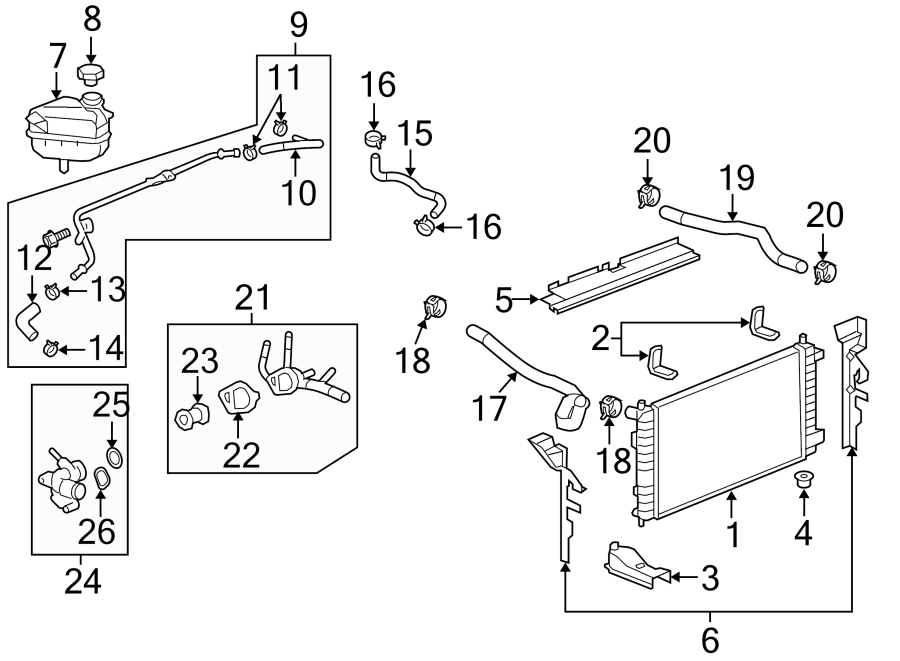
For the intermediate DIYer tackling cooling system work on a 2015 Chevy Malibu, understanding the coolant hose diagram is absolutely critical. Whether you're replacing a leaky hose, flushing the cooling system, diagnosing an overheating issue, or even just learning more about your car's anatomy, having a solid grasp of the coolant routing is invaluable. This article will walk you through the 2015 Malibu's coolant hose diagram, explaining its components, function, and how to use it for effective troubleshooting.
Purpose of Understanding the Coolant Hose Diagram
Think of the coolant hose diagram as a roadmap for your engine's cooling system. It shows you exactly where each hose connects, allowing you to:
- Accurately diagnose leaks: Pinpointing the source of a coolant leak is much easier when you know the expected routing.
- Replace hoses correctly: Avoiding kinks or incorrect connections is vital to prevent overheating.
- Flush the cooling system effectively: Knowing which hoses to disconnect and where to drain the coolant is crucial for a complete flush.
- Understand system operation: Learn how coolant flows through the engine, radiator, heater core, and other components.
Essentially, it gives you the confidence to work on the cooling system without making costly mistakes. Skipping this step could lead to improper repairs, further damage, and potentially leave you stranded on the side of the road.
Key Specs and Main Parts
The 2015 Chevy Malibu primarily used two engine options: the 2.5L 4-cylinder (LKW/LCV) and the 2.0L Turbo 4-cylinder (LTG). While the core principles of the cooling system are the same for both, some hose routing differences exist. This guide focuses on the common elements, highlighting potential differences where applicable.
Here's a breakdown of the main components you'll find in the coolant hose diagram:
- Radiator: The primary heat exchanger, dissipating heat from the coolant.
- Engine Block: Coolant circulates through passages within the engine block to absorb heat generated by combustion.
- Water Pump: The heart of the system, responsible for circulating the coolant.
- Thermostat: A temperature-sensitive valve that regulates coolant flow to the radiator, helping the engine reach operating temperature quickly and maintain it.
- Heater Core: A small radiator located inside the vehicle's cabin, providing heat for the occupants.
- Expansion Tank (Coolant Reservoir): Accommodates coolant expansion and contraction due to temperature changes. This also serves as the fill point.
- Coolant Hoses: Rubber or silicone hoses connecting all these components. These are the components shown on the diagram in the greatest detail.
- Transmission Cooler (if equipped): Some models might have a transmission cooler integrated into the radiator or as a separate unit. Coolant helps to regulate the transmission temperature.
Understanding these components is crucial before diving into the diagram. Knowing their purpose makes it easier to follow the coolant flow.
Symbols and Diagram Conventions
Coolant hose diagrams use a standardized set of symbols to represent different components and flow paths. Here’s a breakdown of common symbols and conventions:
- Solid Lines: Represent the main coolant hoses carrying liquid coolant.
- Dashed Lines: Often indicate vacuum lines or smaller coolant lines, such as those for the overflow tank or certain sensor connections.
- Arrows: Indicate the direction of coolant flow. Pay close attention to these.
- Colors (on some diagrams): Different colors *might* be used to distinguish between hot and cold coolant lines, or different sections of the cooling system, although this is not always the case. If colors are used, a legend will explain their meaning.
- Component Symbols: Basic shapes representing the components listed above (radiator, water pump, thermostat, etc.).
- Clamps: Usually depicted as small circles or rectangles along the hose lines, indicating hose clamp locations.
Remember that diagrams can vary slightly in style and detail, but the core symbols and principles remain the same. Always refer to the specific diagram for your 2015 Malibu for the most accurate information.
How It Works: Coolant Flow Explained
The cooling system's function is to remove excess heat from the engine and maintain a stable operating temperature. Here's a simplified explanation of the coolant flow:
- The water pump circulates coolant from the radiator, through the engine block, where it absorbs heat.
- The heated coolant then flows to the thermostat.
- If the engine is cold, the thermostat remains closed, diverting coolant back to the water pump for recirculation within the engine, allowing it to warm up quickly.
- Once the engine reaches operating temperature, the thermostat opens, allowing coolant to flow to the radiator.
- In the radiator, the coolant is cooled by airflow.
- Cooled coolant returns to the water pump, completing the cycle.
- The heater core, connected in parallel to the main circuit, diverts a small amount of coolant through the heater core to provide heat for the cabin.
- The expansion tank allows for changes in coolant volume as the coolant heats and cools.
The diagram clearly illustrates this flow path. By tracing the lines and arrows, you can visualize how the coolant moves through each component.
Real-World Use: Basic Troubleshooting Tips
Here’s how you can apply your understanding of the coolant hose diagram to common cooling system problems:
- Locating Leaks: Follow the diagram to identify all the hoses connected to a suspected leaking component (e.g., the water pump). Inspect the hoses, clamps, and component seals for signs of leakage. Use a pressure tester to further pinpoint leaks if they are difficult to find.
- Replacing a Hose: The diagram shows the exact routing of the hose, ensuring you install the new hose correctly. Make sure to use the correct type and diameter hose for your vehicle. Using the wrong hose can lead to kinks, collapses, or leaks.
- Flushing the System: The diagram helps identify the lowest point in the system (usually a radiator drain cock or a lower radiator hose connection) for complete drainage. You can also use the diagram to locate the thermostat housing and potentially remove the thermostat for a more thorough flush (though this is not always necessary).
- Overheating: If the engine overheats, the diagram can help you check components such as the thermostat, water pump, and radiator for proper function. For example, you can check if the hoses going into and out of the radiator are at significantly different temperatures, indicating a potential blockage in the radiator.
Safety Considerations
Working with the cooling system can be dangerous. Always observe the following safety precautions:
- Hot Coolant: Never open the cooling system when the engine is hot. Allow the engine to cool completely before working on the system. Hot coolant can cause severe burns.
- Pressure: The cooling system is pressurized. Relieve the pressure by slowly opening the coolant reservoir cap (with a rag covering it) *after* the engine has cooled.
- Electrical Components: Be mindful of electrical components near the cooling system, such as the radiator fan motor. Disconnect the negative battery cable before working on any electrical components.
- Sharp Edges: Be careful of sharp edges on metal components, especially around the radiator and engine block.
- Dispose of Coolant Properly: Coolant is toxic. Never pour it down drains or onto the ground. Collect used coolant and dispose of it properly at a recycling center or auto parts store.
- Radiator Fan: The radiator fan can turn on automatically, even when the engine is off, posing a serious hazard. Disconnect the fan motor connector before working near the fan blades.
The thermostat housing and the radiator are particularly risky components due to the potential for hot coolant and pressure. Exercise extra caution when working in these areas.
Understanding the 2015 Chevy Malibu coolant hose diagram empowers you to tackle cooling system tasks with confidence and accuracy. By familiarizing yourself with the components, flow paths, and troubleshooting techniques outlined above, you'll be well-equipped to keep your engine running cool and efficiently.
We have the high-resolution file for the 2015 Chevy Malibu coolant hose diagram available for download. This detailed diagram provides a comprehensive overview of the cooling system, including all hose connections and component locations. This will be a great resource for your project.