
2015 Nissan Altima Under Hood Diagram
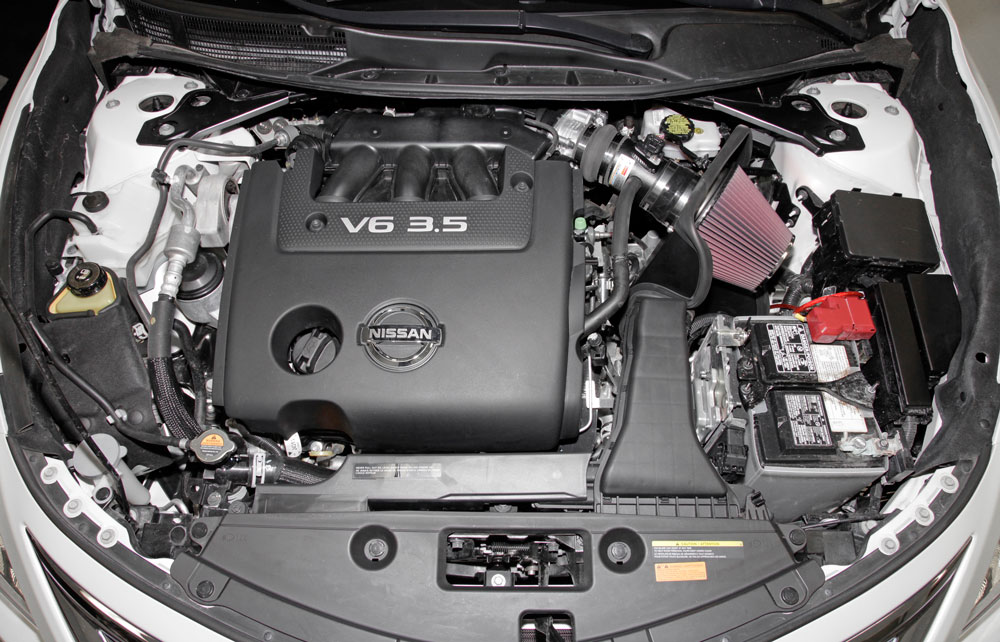
For the experienced DIY mechanic or the ambitious car owner looking to delve deeper into their vehicle's inner workings, understanding the 2015 Nissan Altima's under-hood diagram is invaluable. This article will serve as your guide, demystifying the complexities under the hood and empowering you to perform repairs, modifications, and preventative maintenance with confidence. We’ll cover key components, their functions, diagram symbols, and practical troubleshooting, all while emphasizing safety precautions.
Purpose of the Under-Hood Diagram
The under-hood diagram is essentially a roadmap to your engine bay. It's a visual representation of the location and relationship between various components, wiring harnesses, vacuum lines, and fluid reservoirs. Why is it important? There are several key reasons:
- Diagnostics and Troubleshooting: When your Altima develops a problem, the diagram helps you pinpoint the potential source of the issue, whether it's a faulty sensor, a leaking hose, or a wiring problem.
- Repairs and Replacements: Knowing where components are located and how they connect makes replacing them much easier and reduces the risk of damaging other parts.
- Modifications: If you're planning to install aftermarket parts, the diagram helps you understand how the new components will integrate with the existing system.
- General Understanding: Even if you don't plan on performing any repairs yourself, understanding the diagram gives you a better grasp of how your car works.
- Preventative Maintenance: The diagram can help you identify potential problem areas before they become major issues, allowing you to perform proactive maintenance.
Key Specs and Main Parts (2015 Nissan Altima)
Before diving into the diagram, let's review the main components you'll typically find under the hood of a 2015 Nissan Altima. Keep in mind that specific configurations may vary slightly depending on the engine and trim level.
- Engine: The heart of the vehicle, typically a 2.5-liter 4-cylinder (QR25DE) or a 3.5-liter V6 (VQ35DE). The diagram will show the location of engine components like spark plugs, ignition coils, fuel injectors, and sensors.
- Battery: Provides electrical power to start the engine and operate various accessories. The diagram will show its location and the routing of the positive and negative cables.
- Air Intake System: Filters and directs air into the engine. This includes the air filter box, intake manifold, and potentially a mass airflow (MAF) sensor.
- Cooling System: Regulates engine temperature. Key components include the radiator, coolant reservoir, hoses, thermostat, and water pump.
- Braking System: Contains the brake master cylinder, which supplies hydraulic pressure to the brakes.
- Power Steering System: A hydraulic system uses a power steering pump and reservoir to assist with steering.
- Washer Fluid Reservoir: Holds the fluid for the windshield washers.
- Engine Control Module (ECM): The car's computer, which controls many engine functions.
- Fuse Box/Relay Center: Houses fuses and relays that protect electrical circuits.
- Transmission: The CVT (Continuously Variable Transmission) is typically used in the Altima.
- Exhaust Manifold/Catalytic Converter: Parts of the exhaust system that connect directly to the engine.
Understanding Symbols on the Diagram
The under-hood diagram uses a standardized set of symbols to represent different components and connections. Let's break down some common symbols:
- Lines: Different types of lines represent different types of connections:
- Solid lines: Typically represent wires or hoses carrying fluids (e.g., coolant, brake fluid).
- Dashed lines: Often indicate vacuum lines or less critical connections.
- Thick lines: Can indicate high-voltage wires or high-pressure lines.
- Colors: Wires are often color-coded, and the diagram should include a color key. For example, red wires usually indicate power, while black wires often indicate ground.
- Icons:
- Rectangles: Often represent electrical components like relays, fuses, or sensors.
- Circles: May represent fluid reservoirs or other circular components.
- Specific component shapes: The diagram will attempt to represent the actual shape of the component for easier identification.
- Abbreviations: The diagram will use abbreviations for various components and systems. A legend or key will define these abbreviations. Examples: MAF (Mass Airflow Sensor), ECT (Engine Coolant Temperature Sensor), PCM (Powertrain Control Module).
How It Works: System Overview
While the diagram shows the physical layout, understanding how the various systems work together is crucial for effective troubleshooting. Here's a brief overview:
- Engine Management System: The ECM monitors various sensors (MAF, ECT, O2 sensors, etc.) and adjusts fuel injection, ignition timing, and other parameters to optimize engine performance, fuel efficiency, and emissions.
- Cooling System: The water pump circulates coolant through the engine block and radiator. The thermostat regulates coolant flow to maintain a consistent engine temperature.
- Fuel System: The fuel pump delivers fuel from the fuel tank to the fuel injectors. The fuel injectors spray fuel into the cylinders, where it mixes with air and is ignited.
- Electrical System: The battery provides power to start the engine and operate various accessories. The alternator recharges the battery while the engine is running. Fuses protect the circuits from overloads.
Real-World Use: Basic Troubleshooting Tips
Let's look at some practical troubleshooting scenarios using the under-hood diagram:
- Overheating: If your Altima is overheating, consult the diagram to locate the coolant reservoir, radiator hoses, and thermostat housing. Check for leaks, blockages, or a faulty thermostat.
- Electrical Issues: If an accessory isn't working, use the diagram to locate the corresponding fuse in the fuse box. Check if the fuse is blown. If it continues to blow, look for short circuits in the wiring harness.
- Rough Idle: A rough idle could be caused by a vacuum leak. Use the diagram to trace the vacuum lines and check for cracks or loose connections.
- Starting Problems: If the car won't start, check the battery connections and the starter motor. The diagram will show their locations.
Safety Precautions
Working under the hood can be dangerous if you're not careful. Always disconnect the negative battery cable before working on any electrical components. Here are some other crucial safety tips:
- Hot Surfaces: Be cautious of hot engine components, especially the exhaust manifold and radiator. Allow the engine to cool down before working on these areas.
- Moving Parts: Keep your hands clear of moving parts, such as the engine fan and belts, when the engine is running.
- Fuel System: Fuel is flammable. Avoid smoking or using open flames near the fuel system. Relieve fuel pressure before disconnecting fuel lines.
- Electrical System: High-voltage components, such as the ignition coils, can deliver a dangerous shock. Disconnect the battery and allow time for capacitors to discharge before working on these components. Never probe wiring with the engine running unless you know what you are doing and are properly equipped.
- Brake System: Brake fluid is corrosive. Avoid getting it on your skin or in your eyes.
Conclusion
The 2015 Nissan Altima under-hood diagram is a powerful tool for any car owner who wants to understand their vehicle better and perform basic repairs. By understanding the symbols, components, and system functions, you can diagnose problems, perform maintenance, and modify your Altima with confidence. Remember to always prioritize safety and consult a qualified mechanic if you're unsure about any procedure.
We have the complete under-hood diagram file available for download. This detailed diagram will provide you with the exact information needed for your specific 2015 Nissan Altima model.