
2016 Chevy Trax Cooling System Diagram
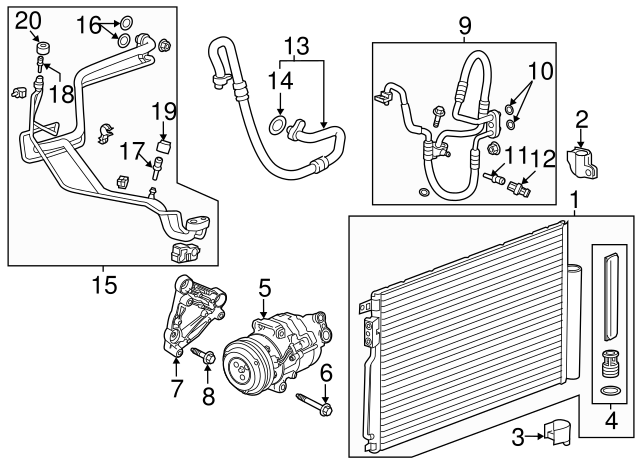
Alright folks, let's dive into the cooling system of a 2016 Chevy Trax. Understanding how this system is laid out is crucial, whether you're tackling a repair, planning an upgrade, or simply trying to diagnose a pesky overheating problem. Having the diagram available is a lifesaver, and we've got it for you to download (link at the end!). This guide will walk you through the key components, symbols, and operation of the cooling system, helping you keep your Trax running cool and reliably.
Purpose of the Cooling System Diagram
Why bother with a cooling system diagram? Well, for starters, it’s your roadmap to understanding the intricate layout of the system. It's indispensable for:
- Troubleshooting: Pinpointing leaks, identifying faulty components, and tracing coolant flow are all much easier with a visual guide.
- Repairs: Whether you're replacing a water pump, thermostat, or radiator hose, the diagram shows you where everything is located and how it connects.
- Maintenance: Understanding the system allows you to perform preventative maintenance, such as flushing the coolant, with confidence.
- Modifications: If you're thinking about upgrading the radiator or adding an auxiliary cooler, the diagram helps you understand the impact on the overall system.
- Learning: Even if you don't plan on doing any work yourself, understanding the cooling system will help you communicate more effectively with your mechanic.
Key Specs and Main Parts of the 2016 Chevy Trax Cooling System
The 2016 Chevy Trax uses a liquid cooling system, which circulates coolant throughout the engine to absorb heat and dissipate it through the radiator. Key specs vary slightly based on the engine (primarily the 1.4L turbocharged engine in the US market), but the core principles remain the same.
Here’s a breakdown of the major components:
- Radiator: This is the primary heat exchanger, where coolant releases heat to the atmosphere. It consists of a core with numerous fins and tubes, maximizing surface area for heat transfer.
- Radiator Cap: This maintains pressure within the system. The increased pressure raises the boiling point of the coolant, preventing vapor lock. It also includes a pressure relief valve to prevent over-pressurization.
- Coolant Reservoir (Overflow Tank): This tank provides a place for coolant to expand when heated and to be drawn back into the system as it cools.
- Water Pump: This is the heart of the system, circulating coolant throughout the engine and radiator. It's typically driven by the serpentine belt.
- Thermostat: This regulates the engine temperature by controlling the flow of coolant to the radiator. It remains closed until the engine reaches a certain temperature, then opens to allow coolant to circulate and cool the engine.
- Coolant Hoses: These are flexible hoses that connect the various components of the cooling system, allowing coolant to flow between them.
- Engine Coolant Temperature (ECT) Sensor: This sensor monitors the temperature of the coolant and sends a signal to the engine control module (ECM). The ECM uses this information to adjust engine parameters, such as fuel injection and ignition timing.
- Cooling Fan(s): These fans draw air through the radiator to increase heat dissipation, especially when the vehicle is stationary or moving slowly. They are often electrically driven and controlled by the ECM based on coolant temperature.
- Heater Core: Located inside the vehicle's dashboard, the heater core allows hot coolant to flow through it, providing heat to the cabin.
Understanding the Diagram Symbols
Cooling system diagrams use standardized symbols to represent different components and connections. Here's a guide to interpreting the symbols you'll encounter in the 2016 Chevy Trax cooling system diagram:
- Solid Lines: Represent coolant hoses or pipes carrying liquid coolant.
- Dashed Lines: Often indicate vacuum lines or control signals related to the cooling system, such as signals from the ECM to the cooling fan relay.
- Arrows: Show the direction of coolant flow. Pay attention to these to understand how coolant circulates through the system.
- Rectangles: Typically represent components like the radiator, coolant reservoir, and heater core.
- Circles: Can represent sensors, valves, or small fittings.
- Color Coding: While not always present, some diagrams use color coding to differentiate between hot and cold coolant lines. Red is often used for hot coolant flowing from the engine, and blue for cooled coolant returning to the engine.
Pay close attention to the connections between components. The diagram will show you where each hose connects and how the components are linked together. This is crucial for understanding the flow path and diagnosing potential problems.
How the 2016 Chevy Trax Cooling System Works
The cooling system operates in a closed loop. Here's a simplified explanation of the process:
- The water pump circulates coolant from the engine block, where it absorbs heat.
- The hot coolant flows through the thermostat housing. If the engine is cold, the thermostat remains closed, and the coolant bypasses the radiator, circulating only within the engine block to help it warm up quickly.
- Once the engine reaches its operating temperature (typically around 195°F or 90°C), the thermostat opens, allowing hot coolant to flow to the radiator.
- In the radiator, the coolant flows through the core, releasing heat to the surrounding air. The cooling fan(s) assist in this process by drawing air through the radiator.
- The cooled coolant then returns to the engine to absorb more heat, completing the cycle.
- As coolant heats and expands, excess volume flows into the coolant reservoir. When the engine cools, coolant is drawn back from the reservoir to maintain the correct level in the system.
- A portion of the hot coolant also flows to the heater core, providing heat to the vehicle's cabin.
Real-World Use: Basic Troubleshooting Tips
The cooling system diagram is your best friend when troubleshooting cooling issues. Here are a few common problems and how the diagram can help:
- Overheating: Use the diagram to check for obvious leaks, inspect the thermostat housing, and trace coolant flow. Make sure the radiator is clear of debris. Check the cooling fan operation. A faulty thermostat, water pump, or radiator can cause overheating.
- Coolant Leaks: The diagram helps you identify potential leak locations, such as hose connections, the water pump, the radiator, and the thermostat housing. Look for signs of coolant stains or drips.
- Low Coolant Level: Regularly check the coolant level in the reservoir. If it's consistently low, use the diagram to inspect the system for leaks. Don't just keep topping it off without finding the source of the leak.
- No Heat in Cabin: If you're not getting heat in the cabin, check the coolant level first. Then, use the diagram to trace coolant flow to the heater core. A clogged heater core or a faulty blend door actuator can cause this problem.
- Cooling Fan Not Working: Use the diagram to locate the cooling fan relay and wiring. Check the fuse for the cooling fan. A faulty ECT sensor can also prevent the fan from operating correctly.
Safety Considerations
Working with the cooling system can be dangerous if you're not careful. Here are some important safety precautions:
- Never open the radiator cap when the engine is hot. The system is under pressure, and hot coolant can spray out, causing severe burns. Wait until the engine has cooled down completely.
- Be cautious when working around the cooling fan(s). They can turn on automatically, even when the engine is off. Disconnect the battery or the fan relay to prevent accidental activation.
- Wear safety glasses and gloves to protect yourself from coolant, which can irritate your skin and eyes.
- Dispose of used coolant properly. It's toxic to animals and the environment. Take it to a recycling center or auto parts store.
- The water pump is driven by the serpentine belt. Be sure to disconnect the battery before you work on the serpentine belt! A spinning belt will cause injury.
By understanding the 2016 Chevy Trax cooling system diagram and following these safety precautions, you can confidently tackle a variety of maintenance and repair tasks, saving you time and money. Now that you have this knowledge, get out there and keep that Trax running cool!
And remember, we have the full, downloadable cooling system diagram available for you. It’s a high-resolution file you can zoom in on for detailed inspections. [Link to Download Diagram Here]