
2016 Ford Explorer Fuel Filter Location Diagram
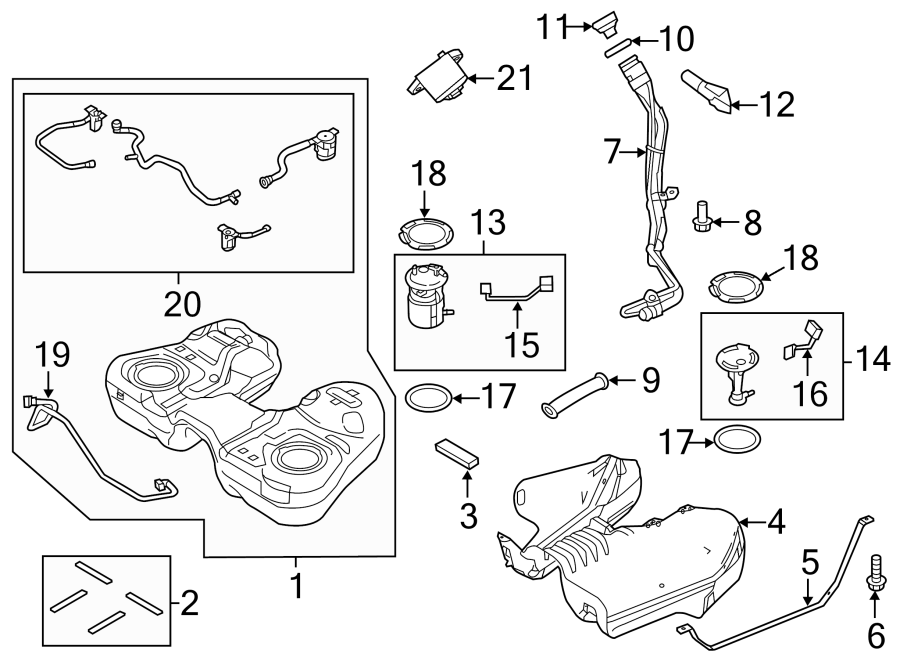
Let's talk about the fuel filter in your 2016 Ford Explorer. Specifically, where it isn't. Unlike older vehicles, the 2016 Explorer doesn't have a readily accessible, replaceable in-line fuel filter. This article dives into why, what you *do* have, and how to maintain your fuel system. We'll provide a mental "diagram" of sorts, since a traditional fuel filter location diagram is, frankly, nonexistent for this model year. Instead, we will break down the Integrated Fuel Pump Module and its components and how to diagnose related issues.
Purpose: Understanding the "Non-Existent" Diagram
While you won't find a simple diagram pointing to a replaceable fuel filter, understanding the fuel system architecture of your 2016 Explorer is crucial for several reasons:
- Troubleshooting Fuel System Issues: When your Explorer experiences rough idling, poor acceleration, or difficulty starting, fuel delivery is a prime suspect. Understanding the system helps you narrow down the problem.
- Preventative Maintenance: Knowing the components and their functions allows you to perform proactive maintenance to extend the life of your fuel system.
- Modifications and Upgrades: If you're considering performance upgrades or fuel system modifications, understanding the existing setup is essential to ensure compatibility and avoid damaging your vehicle.
- Reduced Cost: Diagnosing the problem yourself helps save money and allows for targeted repairs instead of expensive guesswork by unexperienced mechanics.
Key Specs and Main Parts
The 2016 Ford Explorer utilizes a fuel system with the fuel filter integrated within the fuel pump assembly, located inside the fuel tank. This is a common design in modern vehicles aimed at reducing emissions and simplifying maintenance schedules. Here's a breakdown of the key components:
- Fuel Tank: The reservoir for your gasoline.
- Integrated Fuel Pump Module (IFPM): This is the heart of the system. It contains:
- Fuel Pump: An electric pump that draws fuel from the tank and delivers it to the engine.
- Fuel Level Sensor: Measures the amount of fuel in the tank.
- Fuel Filter/Strainer: This is the *integrated* filter. It's typically a fine mesh screen or a series of screens designed to capture larger particles before they reach the pump and injectors. Because it is integrated, it is not designed for routine replacement.
- Fuel Pressure Regulator: Maintains a consistent fuel pressure to the fuel injectors.
- Fuel Lines: Hoses that transport fuel from the tank to the engine.
- Fuel Rail: A manifold that distributes fuel to the fuel injectors.
- Fuel Injectors: Spray fuel into the engine's cylinders for combustion.
- Fuel Pressure Sensor: Measures the fuel pressure in the fuel rail and sends data to the PCM.
- Powertrain Control Module (PCM): The vehicle's computer, which controls the fuel system based on sensor inputs.
"Diagram" Explained: Visualizing the Flow
While there isn't a specific diagram showing the fuel filter location, it's helpful to visualize the fuel flow:
- Fuel is drawn from the fuel tank by the fuel pump, located within the IFPM.
- As the fuel enters the IFPM, it passes through the integrated fuel filter/strainer. This filter traps particles that could damage the fuel pump or injectors. Think of it as a pre-filter.
- The fuel pump then pressurizes the fuel and sends it through the fuel lines to the fuel rail.
- The fuel pressure regulator maintains the correct fuel pressure in the rail. Any excess fuel is returned to the tank through a return line (if equipped; some systems are returnless).
- The fuel injectors, controlled by the PCM, spray fuel into the engine's cylinders.
Symbols and Colors: In a typical automotive diagram, fuel lines are often depicted as solid lines. Fuel pressure sensors might be represented by a small rectangular box with a "P" inside. The fuel pump could be a circle with a pump symbol inside. Unfortunately, Ford doesn't typically provide component-level diagrams for integrated parts like the IFPM. Hence the need for this explanation.
How It Works: The Integrated System
The integrated fuel pump module represents a shift in automotive design. Instead of a separate, easily replaceable fuel filter, the filter is incorporated directly into the fuel pump assembly. The rationale behind this design is to:
- Reduce Emissions: Integrated systems minimize the number of connections in the fuel system, reducing the potential for leaks and evaporative emissions.
- Extend Service Intervals: Manufacturers claim the integrated filter is designed to last the life of the vehicle under normal operating conditions.
- Simplify Manufacturing: Integrating components reduces the number of parts and assembly steps.
The PCM constantly monitors the fuel system's performance through various sensors, including the fuel pressure sensor. It adjusts the fuel pump's output to maintain the correct fuel pressure based on engine demand. If the fuel filter becomes excessively clogged (though rare), it can restrict fuel flow, leading to low fuel pressure and performance problems.
Real-World Use: Troubleshooting and Maintenance
Here are some basic troubleshooting tips for fuel system issues in your 2016 Ford Explorer, given the absence of a readily replaceable fuel filter:
- Check the Fuel Pump Relay and Fuse: A faulty relay or blown fuse can prevent the fuel pump from operating. Consult your owner's manual for their location.
- Listen for Fuel Pump Noise: When you turn the ignition key to the "ON" position (without starting the engine), you should hear the fuel pump prime for a few seconds. If you don't hear anything, it could indicate a fuel pump failure.
- Check Fuel Pressure: Use a fuel pressure gauge to measure the fuel pressure at the fuel rail. Compare the reading to the manufacturer's specifications. Low fuel pressure can indicate a clogged filter, a failing fuel pump, or a faulty fuel pressure regulator. Due to the location, pressure testing the fuel system on these vehicles can be challenging and require special tools.
- Consider Fuel Injector Cleaning: Clogged fuel injectors can also cause performance problems. You can try using a fuel injector cleaner additive or have the injectors professionally cleaned.
- Evaluate Fuel Quality: Poor quality fuel can contribute to fuel system problems. Use high-quality gasoline from reputable stations.
- Inspect Fuel Lines: Check the fuel lines for any signs of damage, leaks, or kinks.
If you suspect a severely clogged integrated fuel filter, the most likely course of action is to replace the entire fuel pump module (IFPM). This is a more involved repair than simply replacing a filter, but it's often the only option.
Safety Considerations
Working on the fuel system involves inherent risks. Fuel is highly flammable and can be dangerous if not handled properly. Here are some safety precautions:
- Disconnect the Negative Battery Cable: Before working on any electrical components, disconnect the negative battery cable to prevent accidental shorts.
- Work in a Well-Ventilated Area: Fuel fumes can be harmful. Work in a well-ventilated area to avoid inhaling them.
- Use a Fuel Line Disconnect Tool: When disconnecting fuel lines, use a specialized fuel line disconnect tool to avoid damaging the fittings.
- Have a Fire Extinguisher Nearby: Keep a fire extinguisher readily available in case of a fuel spill or fire.
- Wear Safety Glasses and Gloves: Protect your eyes and skin from fuel exposure.
- Do Not Smoke or Use Open Flames: Never smoke or use open flames near the fuel system.
- Depressurize the Fuel System: Before disconnecting any fuel lines, depressurize the fuel system. This usually involves removing the fuel pump relay and starting the engine until it stalls. However, always consult the factory service manual for the specific procedure for your 2016 Explorer.
Risk Factor: The fuel pump and fuel lines under pressure are the riskiest components. Exercise extreme caution when working around these areas.
While a traditional fuel filter location diagram is not applicable to your 2016 Ford Explorer, understanding the integrated fuel system, its components, and their functions is essential for effective troubleshooting and maintenance. Remember to prioritize safety when working on any part of the fuel system.
Important Note: This guide provides general information. Always consult the factory service manual for your specific vehicle for detailed procedures and specifications. With care, maintenance, and sound diagnostic skills you can keep your explorer running smoothly for years to come.