
2016 Nissan Pathfinder Fuse Box Diagram
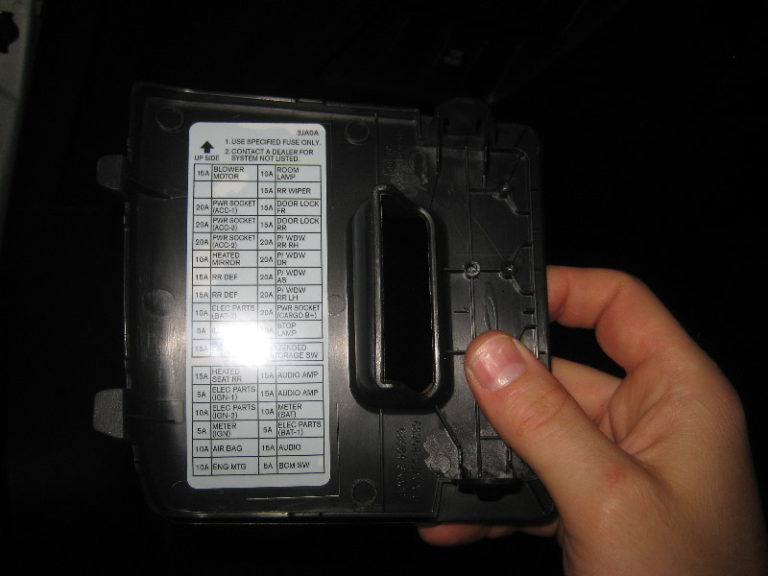
So, you're looking to dive into the electrical heart of your 2016 Nissan Pathfinder, eh? Smart move. Understanding the fuse box is crucial for everything from basic troubleshooting to more advanced DIY repairs and even modifications. Think of it as the circuit breaker panel of your car – protecting vital components from overcurrent situations.
Purpose: Why You Need This Diagram
Having a clear fuse box diagram is indispensable for several reasons:
- Troubleshooting Electrical Issues: When a specific circuit fails (e.g., a non-working taillight or a dead power window), the fuse box is the first place you should look. The diagram identifies the fuse associated with that circuit.
- Safe Repairs: Identifying the correct fuse allows you to isolate a circuit before working on it, preventing accidental shorts and potential electrical shocks.
- Modifications: Planning to add aftermarket accessories like a new sound system or auxiliary lights? The diagram helps you find suitable power sources and appropriately rated fuses to tap into.
- General Understanding: Even without immediate problems, studying the diagram gives you a deeper understanding of your Pathfinder's electrical system.
Key Specs and Main Parts of the 2016 Pathfinder Fuse Box
The 2016 Pathfinder has two main fuse box locations. Knowing where they are is the first step:
- Interior Fuse Box: Located under the dashboard, usually on the driver's side. This box houses fuses and relays for interior components like lights, power windows, the radio, and various control modules.
- Engine Compartment Fuse Box: Situated in the engine bay, this box contains fuses and relays for engine-related systems such as the fuel pump, ignition system, cooling fans, and the anti-lock braking system (ABS).
Here are some key specs to consider:
- Fuse Types: The 2016 Pathfinder primarily uses blade-type fuses, also known as spade fuses. These come in various sizes and amperage ratings (e.g., 5A, 10A, 15A, 20A, 30A). The amperage rating indicates the maximum current the fuse can handle before blowing.
- Relays: Relays are electromechanical switches that control high-current circuits using a low-current signal. They're crucial for components like headlights, the starter motor, and the horn. The fuse box diagram will often indicate which relay controls which component.
- Fuse Puller: A small plastic tool (often integrated into the fuse box cover) used to safely remove fuses. Avoid using metal tools, as they can cause shorts.
- Spare Fuses: It's always a good idea to keep a selection of spare fuses with different amperage ratings in your glove compartment.
Understanding the Symbols: Lines, Colors, and Icons
Fuse box diagrams aren't just a random jumble of lines and numbers. They use a standardized system of symbols to convey information efficiently:
- Lines: Lines represent electrical circuits. A solid line indicates a direct connection, while a dashed line might represent a connection through a switch or relay.
- Colors: Color-coding is used on the diagram, and sometimes on the wiring itself, to identify specific circuits. While the specific color codes might vary slightly, common examples include:
- Red: Often used for circuits connected directly to the battery (constant power).
- Yellow: Usually indicates circuits powered by the ignition switch.
- Blue: Can represent circuits related to lighting.
- Black: Generally used for ground connections.
- Icons: Icons represent the components protected by each fuse. Common icons include:
- Light Bulb: Indicates a lighting circuit (headlights, taillights, interior lights).
- Fan: Represents a cooling fan or blower motor.
- Radio Waves: Indicates the radio or audio system.
- Steering Wheel: Might represent power steering.
- Window: Represents power windows.
- Amperage Numbers: Each fuse location on the diagram will be labeled with a number and "A" (for Amperes), indicating the correct fuse amperage rating for that circuit. Using the wrong amperage fuse can lead to serious damage. A fuse with a lower rating will blow prematurely, while a fuse with a higher rating might allow excessive current to flow, potentially damaging components or causing a fire.
How It Works: The Fuse Protection Mechanism
Fuses are designed to be the weakest link in an electrical circuit. They contain a thin wire or strip of metal that melts and breaks the circuit when the current exceeds the fuse's amperage rating. This sacrificial element prevents damage to more expensive components. When a fuse blows, it's usually a symptom of a larger problem, such as a short circuit or an overloaded circuit.
Relays, on the other hand, allow a low-current circuit (e.g., a switch on the dashboard) to control a high-current circuit (e.g., the headlights). When the low-current circuit is activated, it energizes the relay's coil, which in turn closes a set of contacts, completing the high-current circuit. This protects the switch from handling the full current required by the headlights, preventing damage to the switch.
Real-World Use: Basic Troubleshooting Tips
Here's a simplified troubleshooting process using the fuse box diagram:
- Identify the Problem: What's not working? Be specific (e.g., "The passenger-side power window doesn't work").
- Consult the Diagram: Locate the fuse box diagram (either in your owner's manual or the digital copy you can download from us). Find the fuse labeled for the problematic component.
- Inspect the Fuse: Use the fuse puller to remove the fuse. Examine it closely. A blown fuse will usually have a broken filament (the thin wire inside the fuse). Sometimes, the fuse will appear blackened or melted.
- Replace the Fuse: If the fuse is blown, replace it with a new fuse of the exact same amperage rating.
- Test the Circuit: Turn on the component that was previously not working. If it now works, you've solved the problem. However...
- If the Fuse Blows Again: If the new fuse blows immediately or shortly after being replaced, there's a more serious problem in the circuit. This likely indicates a short circuit or an overloaded circuit. You'll need to investigate further, potentially using a multimeter to test for continuity and voltage. This might require professional help.
Safety: Handle with Care
Working with electrical systems can be dangerous. Here are some crucial safety precautions:
- Disconnect the Battery: Before working on any electrical system, disconnect the negative (-) battery terminal. This prevents accidental shorts and electrical shocks.
- Never Replace a Fuse with a Higher Amperage: Doing so can overload the circuit and cause a fire. This is a critical safety rule.
- Work in a Well-Lit Area: Good visibility is essential for safety and accuracy.
- Don't Work on Wet Surfaces: Water is an excellent conductor of electricity. Avoid working on electrical systems in wet conditions.
- Be Aware of High-Current Components: Components like the starter motor and alternator use very high currents. Avoid touching these components while the engine is running or the ignition is on.
- Airbags: Be aware that disconnecting the battery can sometimes affect airbag systems. It's always a good idea to consult your owner's manual or a qualified technician before disconnecting the battery if you're concerned about the airbag system.
Risky Components
Some components in the fuse box control critical safety systems. Mishandling these can have serious consequences:
- ABS (Anti-lock Braking System): Tampering with ABS fuses or relays can disable the system, potentially leading to loss of control during braking.
- Airbag System: As mentioned above, the airbag system is sensitive and should only be worked on by qualified technicians.
- Fuel Pump: The fuel pump fuse controls the supply of fuel to the engine. Improperly handling this circuit could lead to fuel leaks and potential fire hazards.
By following these guidelines and using the fuse box diagram correctly, you can safely and effectively troubleshoot and repair electrical issues in your 2016 Nissan Pathfinder. Remember, if you're unsure about any aspect of the electrical system, it's always best to consult a qualified mechanic.
We have the complete 2016 Nissan Pathfinder Fuse Box Diagram available for download. This comprehensive document will provide you with the precise locations, amperage ratings, and component assignments for all fuses and relays in your vehicle. With this resource at your fingertips, you'll be well-equipped to tackle any electrical challenge.