
2022 Nissan Frontier Trailer Wiring Harness
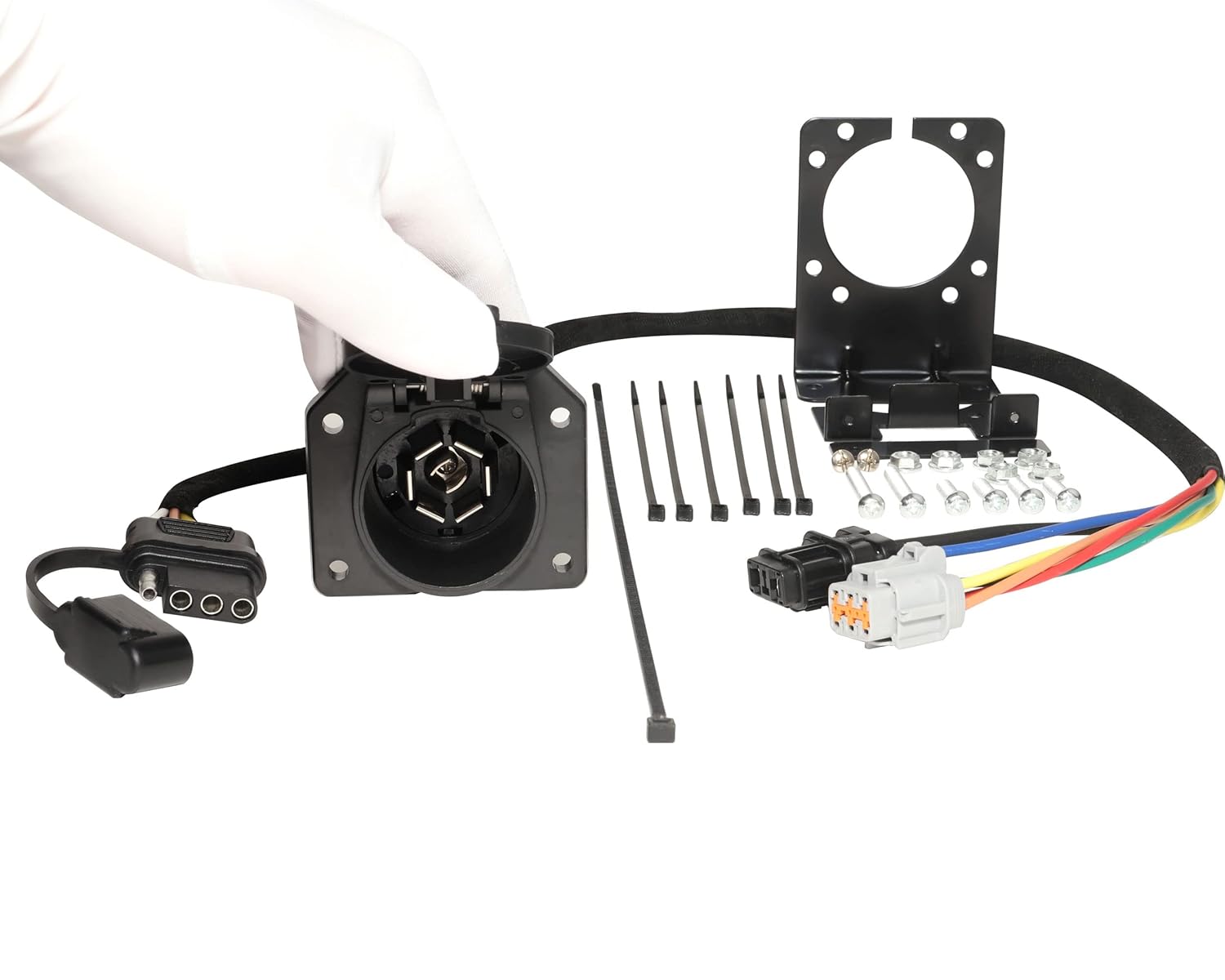
Understanding your 2022 Nissan Frontier's trailer wiring harness is crucial whether you're planning to tow, troubleshooting electrical issues, or simply expanding your automotive knowledge. This article serves as a comprehensive guide, breaking down the harness's purpose, components, and function. We'll explore the wiring diagram, demystify the symbols, offer practical troubleshooting tips, and emphasize crucial safety precautions.
Purpose of Understanding the Trailer Wiring Harness
The trailer wiring harness acts as the critical electrical link between your Frontier and a towed trailer. It provides power and control signals for vital trailer functions like:
- Brake Lights: Ensuring the trailer's brake lights illuminate when you brake, mirroring your vehicle's signals.
- Turn Signals: Transmitting left and right turn signals for safe lane changes and turns.
- Running Lights (Tail Lights): Providing constant illumination for visibility at night and in low-light conditions.
- Reverse Lights: Activating the trailer's reverse lights when your Frontier is in reverse (often optional, depending on the trailer and wiring).
- Auxiliary Power (12V+): Supplying a constant 12-volt power source to the trailer, which can be used for charging batteries, powering interior lights, or running other low-power devices.
Having a firm grasp of the wiring harness and its diagram empowers you to perform essential tasks:
- Troubleshooting Electrical Problems: Quickly identify and resolve issues like faulty lights, blown fuses, or wiring shorts.
- Installing or Replacing Components: Confidently connect aftermarket trailer brake controllers, wiring adapters, or replacement connectors.
- Customizing Wiring: Modify the harness for specific trailer needs, such as adding additional lighting or accessories.
- Understanding Vehicle Electrical Systems: Gaining a deeper knowledge of your Frontier's overall electrical system.
Key Specs and Main Parts of the 2022 Frontier Trailer Wiring Harness
The 2022 Nissan Frontier typically uses a 7-pin round trailer connector, also known as an RV blade connector. This connector is the standard for many modern trailers and provides connections for all the essential functions. However, some Frontiers might come with a 4-pin flat connector or a combination 4-pin/7-pin setup depending on the trim level and factory options. Knowing which connector you have is vital for compatibility with your trailer.
Here's a breakdown of the main components:
- Trailer Connector: The external interface point connecting the Frontier to the trailer. It's typically located near the hitch receiver.
- Wiring Harness: The bundle of wires running from the connector to the vehicle's electrical system. These wires are color-coded for easy identification.
- Control Module (If Equipped): Some models may have a trailer tow control module, often located under the rear seat or in the driver's side kick panel. This module manages the trailer lights and braking systems. This module enhances safety and protects the truck's computer.
- Fuses and Relays: Protective components within the truck's fuse box dedicated to the trailer wiring circuits. These are critical for preventing damage from overcurrent conditions.
- Brake Controller Connector (If Equipped): If the truck is equipped for trailer braking, a dedicated connector (usually under the dash) will be present for installing an aftermarket trailer brake controller.
Decoding the Wiring Diagram: Symbols, Lines, and Colors
A wiring diagram is a symbolic representation of the harness's electrical connections. Mastering the diagram's language is key to understanding its function. Here's a breakdown of common symbols and conventions:
- Lines: Represent wires. Their thickness *may* indicate wire gauge (thicker lines for higher current circuits), but don't rely solely on thickness for determining wire size.
- Color Codes: Each wire is assigned a specific color, which is clearly indicated on the diagram (e.g., "BRN" for Brown, "YEL" for Yellow, "GRN" for Green, "WHT" for White, "BLK" for Black). These colors are standardized within the automotive industry and follow SAE J1128 standards.
- Circles: Often denote connection points or splices in the wiring.
- Rectangles: Typically represent components like fuses, relays, and control modules.
- Ground Symbols: Indicate the chassis ground connections, essential for completing the electrical circuit. They look like a series of downward pointing lines that are stacked on top of one another, decreasing in length.
- Connector Symbols: Represent the trailer connector and other connector points within the harness. They are typically drawn to show the pinout, indicating which wire connects to which pin.
Understanding the color code is paramount. Here's a general overview of typical functions associated with each color in trailer wiring (though this can vary slightly by manufacturer, always refer to your specific diagram):
- White (WHT): Ground
- Brown (BRN): Tail Lights / Running Lights
- Yellow (YEL): Left Turn Signal / Brake Light
- Green (GRN): Right Turn Signal / Brake Light
- Blue (BLU): Electric Brakes
- Red (RED): Auxiliary Power (12V+)
- Black (BLK): (Sometimes) Auxiliary Power (12V+) or reverse light (Confirm with diagram)
How the Trailer Wiring Harness Works
The harness functions as a conduit, relaying electrical signals from your Frontier's lighting and braking systems to the corresponding components on the trailer. When you activate a turn signal, for example, the truck's turn signal circuit sends a signal through the appropriate wire in the harness (typically yellow or green) to the trailer's turn signal light. Similarly, when you depress the brake pedal, the brake light circuit sends a signal to the trailer's brake lights.
The 12V+ auxiliary power wire provides a constant source of power to the trailer, which can be used for charging batteries, powering interior lights, or running other low-power devices. This is usually fused and sometimes relay controlled so that the trailer power is only on when the ignition is on.
If your Frontier is equipped with electric trailer brakes, a dedicated blue wire carries the braking signal from the truck's brake controller to the trailer's electric brake magnets. The brake controller regulates the amount of voltage sent to the brakes, allowing for proportional braking based on the deceleration rate.
Real-World Use: Basic Troubleshooting Tips
Here are a few common problems and troubleshooting steps you can take:
- No Lights on Trailer: Check the fuses in your Frontier's fuse box dedicated to trailer lights. Also, inspect the trailer connector for corrosion or damaged pins. Use a multimeter to test for voltage at the connector pins when the corresponding lights are activated.
- One Light Not Working: Start by checking the bulb on the trailer. If the bulb is good, inspect the wiring for that specific light, looking for loose connections or broken wires. Use a test light to confirm power is reaching the bulb socket.
- Brakes Not Working: First, verify that your trailer brake controller is properly installed and configured. Then, check the blue wire connection and any fuses related to the trailer brakes. Use a multimeter to test for voltage at the trailer brake connector when the brake pedal is pressed. A common problem is a poor ground connection at the trailer's brake magnets.
- Erratic Light Behavior: This could be caused by a poor ground connection. Ensure that the trailer's ground wire is securely connected to a clean, bare metal surface on the trailer frame. Clean the trailer connector pins to remove any corrosion that might cause erratic connections.
When troubleshooting, always use a multimeter to check for voltage and continuity. Continuity testing, performed with the circuit de-energized, verifies that a wire is intact and not broken. Voltage testing, performed with the circuit energized, confirms that power is reaching the intended component.
Safety Precautions
Working with automotive electrical systems can be dangerous. Take the following precautions:
- Disconnect the Battery: Always disconnect the negative battery terminal before working on any electrical components to prevent accidental shorts and electrical shocks.
- Use Proper Tools: Use insulated tools designed for automotive electrical work.
- Protect Your Eyes: Wear safety glasses to protect your eyes from sparks or debris.
- Don't Overload Circuits: Never exceed the rated amperage of the fuses in the trailer wiring circuits. Overloading can cause wires to overheat and potentially start a fire.
- Be Careful When probing live wires. If the ground wire on the multimeter touches ground while probing a live wire, it could cause a spark.
- Proper wiring connections are key! Sloppy connections can cause fires or shorts, which could be dangerous to you or the tow vehicle.
Important: The brake controller wiring (if applicable) is a particularly sensitive area. Incorrect wiring can damage the controller, the truck's ABS system, or even lead to brake failure. If you are uncomfortable working with trailer brake controllers, seek the assistance of a qualified mechanic.
We have the wiring diagram available for download to assist you in your projects. Remember to always double-check the diagram against your specific vehicle's wiring configuration to ensure accuracy.