
5.3 Crankshaft Position Sensor Wiring Diagram
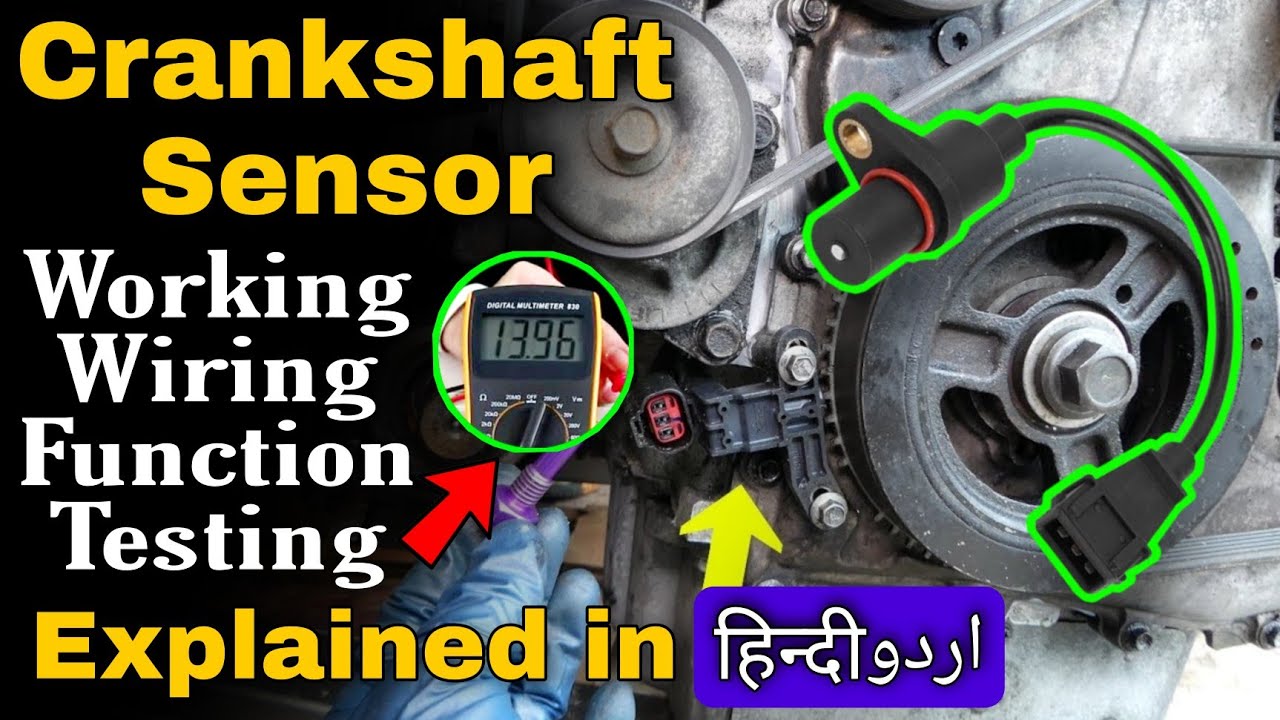
Let's dive into the often-overlooked, but absolutely critical, crankshaft position (CKP) sensor wiring diagram. Whether you're diagnosing a no-start condition, swapping an engine, or just expanding your automotive knowledge, understanding this diagram is invaluable. This isn't just a pretty picture; it's your roadmap to ensuring your engine's timing is spot-on, leading to smooth operation and optimal performance.
Purpose of the CKP Wiring Diagram
The CKP sensor wiring diagram serves several crucial purposes:
- Diagnosis and Repair: When your engine exhibits symptoms like misfires, stalling, or a complete inability to start, the CKP sensor is often a prime suspect. The wiring diagram allows you to systematically check the sensor's connections, ensuring it's receiving power, transmitting a signal, and properly grounded.
- Component Identification: Diagrams pinpoint the exact location and connection points of the CKP sensor within the engine management system. This is essential when dealing with unfamiliar engines or complex wiring harnesses.
- Wiring Modifications and Upgrades: If you're undertaking engine swaps, modifications, or custom wiring projects, the diagram provides the necessary information to integrate the CKP sensor into the new setup. This includes correctly connecting the sensor to the ECU (Engine Control Unit) and other relevant components.
- Learning and Understanding: Even if you're not currently facing a problem, studying the diagram helps you grasp the intricacies of the engine management system and how the CKP sensor contributes to its overall function.
Key Specs and Main Parts
Before we dissect the diagram, let's review the key components involved:
- Crankshaft Position (CKP) Sensor: This sensor monitors the rotational speed and position of the crankshaft. It's usually located near the crankshaft pulley or flywheel and relies on a toothed reluctor wheel (also known as a tone wheel or trigger wheel) to generate a signal.
- Reluctor Wheel: A toothed wheel attached to the crankshaft. As the wheel rotates, the teeth pass by the CKP sensor, creating fluctuations in the magnetic field.
- ECU (Engine Control Unit): The brain of the engine management system. It receives the signal from the CKP sensor and uses this information to determine ignition timing and fuel injection timing.
- Wiring Harness: A collection of wires that connect the CKP sensor to the ECU and other components.
- Connectors: These provide a secure and reliable connection between the wiring harness and the CKP sensor, as well as between the harness and the ECU.
Typical CKP sensors have three wires:
- Power Wire: Usually provides a 5V or 12V reference voltage to the sensor.
- Ground Wire: Provides a stable ground connection for the sensor.
- Signal Wire: Transmits the CKP signal to the ECU. This signal is typically a square wave or sine wave, with the frequency and amplitude varying based on the crankshaft's speed and position.
Symbols: Lines, Colors, and Icons
Understanding the symbols used in the wiring diagram is crucial for accurate interpretation. Here's a breakdown of common symbols:
- Solid Lines: Represent wires. Thicker lines may indicate wires carrying higher current.
- Dashed Lines: Often represent shielded wires or communication buses (like CAN bus).
- Color Codes: Wires are typically color-coded to aid in identification. Common colors include red (power), black (ground), and various other colors for signal wires (e.g., blue, green, yellow). The diagram will usually include a color code legend.
- Connectors: Represented by various symbols, often rectangular or circular, with numbers or letters indicating pin assignments.
- Ground Symbols: Indicate a connection to the vehicle's chassis ground.
- Sensor Symbol: A stylized representation of the CKP sensor, often showing the three pins (power, ground, signal).
- ECU Symbol: A rectangle or square representing the ECU, with pin numbers clearly labeled.
Important Note: Always refer to the specific wiring diagram for your vehicle make, model, and year. Color codes and symbols can vary between manufacturers.
How It Works
The CKP sensor works in conjunction with the reluctor wheel to provide crucial timing information to the ECU. Here's the process:
- As the crankshaft rotates, the teeth of the reluctor wheel pass by the CKP sensor.
- The passing teeth create a change in the magnetic field around the sensor.
- This change in the magnetic field induces a voltage in the sensor. The shape of the reluctor wheel (with missing teeth or specific tooth patterns) creates a unique signal pattern that represents the crankshaft's position.
- The CKP sensor sends this signal to the ECU via the signal wire.
- The ECU interprets the signal to determine the crankshaft's position and speed.
- Based on this information, the ECU controls the timing of fuel injection and ignition, ensuring optimal engine performance.
There are two main types of CKP sensors: Hall-effect sensors and magnetic reluctance sensors. Hall-effect sensors are generally more accurate and reliable, but both types function on the principle of detecting changes in a magnetic field.
Real-World Use: Basic Troubleshooting Tips
If you suspect a problem with your CKP sensor, here are some basic troubleshooting steps using the wiring diagram:
- Visual Inspection: Check the CKP sensor and its wiring for any signs of damage, such as frayed wires, cracked connectors, or oil contamination.
- Continuity Test: Use a multimeter to check the continuity of the wires between the CKP sensor connector and the ECU connector. Refer to the wiring diagram to identify the correct pins.
- Voltage Test: With the ignition on (but engine off), use a multimeter to check for the presence of power (typically 5V or 12V) at the CKP sensor's power wire.
- Ground Test: Verify that the CKP sensor's ground wire has a good connection to the vehicle's chassis ground.
- Signal Test: Using an oscilloscope or multimeter (in AC voltage mode), check the signal wire while cranking the engine. You should see a fluctuating voltage, indicating that the sensor is generating a signal. A no-start condition with a signal can indicate incorrect timing.
If any of these tests fail, consult the wiring diagram to trace the circuit and identify the source of the problem. It could be a broken wire, a faulty connector, or a defective sensor.
Safety
Working with electrical systems can be dangerous. Always follow these safety precautions:
- Disconnect the Battery: Before working on any electrical component, disconnect the negative terminal of the battery to prevent short circuits and electrical shocks.
- Use Proper Tools: Use insulated tools designed for automotive electrical work.
- Avoid Water: Do not work on electrical systems in wet conditions.
- Be Careful with Wiring: Avoid pulling or stretching wires, as this can damage them.
- High Voltage Components: Be especially cautious around ignition coils and other high-voltage components. These can deliver a painful and potentially dangerous shock even with the battery disconnected. It is best to leave this up to a trained professional.
The ECU itself is sensitive to static electricity. Handle it with care and avoid touching the pins directly.
Understanding the CKP sensor wiring diagram is a vital skill for any DIY mechanic. By following the steps outlined in this article, you'll be well-equipped to diagnose and repair common CKP sensor-related issues, saving you time and money. We have a standard crankshaft position sensor wiring diagram file available for download. It contains valuable wiring information and color codes that are suitable for general repair and diagnostic purposes.