
6.7 Cummins Fuel Filter Housing Diagram
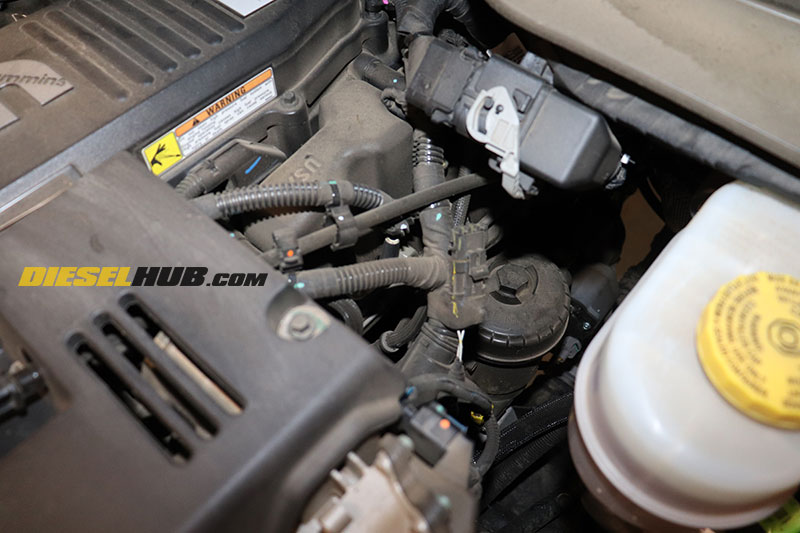
Alright, let's dive deep into the fuel filter housing on your 6.7 Cummins. Whether you're tackling a fuel filter change, diagnosing a pesky low-fuel-pressure issue, or planning some performance upgrades, understanding the fuel filter housing is crucial. This article will act as your comprehensive guide, breaking down the diagram and explaining its inner workings. We've also got the diagram itself available for download, so you can have it handy while you work. Let's get started!
Purpose of Understanding the Fuel Filter Housing Diagram
Why bother with a diagram? Because it's the roadmap to your fuel system's heart. Knowing the components and their relationships is paramount for several reasons:
- Repair and Maintenance: Identifying parts quickly speeds up filter changes, leak repairs, and other maintenance tasks.
- Troubleshooting: Pinpointing the source of fuel-related problems, like low fuel pressure, hard starts, or stalling, becomes far easier.
- Performance Upgrades: If you're considering upgrading your fuel system for more power, understanding the stock setup is essential to ensure compatibility and proper function of your modifications.
- Cost Savings: Being able to diagnose and fix minor issues yourself prevents costly trips to the mechanic.
Key Specs and Main Parts of the 6.7 Cummins Fuel Filter Housing
The 6.7 Cummins fuel filter housing is a complex assembly, but let's break it down into its essential components. Keep in mind that specific configurations might vary slightly depending on the year and model of your truck. We're discussing the most common setup here.
- Fuel Filter: This is the primary filter, designed to remove contaminants from the fuel before it reaches the high-pressure fuel pump (CP4 or CP3, depending on the year). It's typically a spin-on or cartridge-style filter.
- Water Separator: Usually integrated into the fuel filter, the water separator removes water from the fuel to prevent corrosion and damage to the fuel system components.
- Heater (Optional): Some housings include a fuel heater to prevent gelling in cold weather.
- WIF (Water-in-Fuel) Sensor: This sensor detects the presence of excessive water in the fuel and triggers a warning light on the dashboard.
- Fuel Pressure Sensor: This sensor monitors the fuel pressure after the filter and sends data to the engine control module (ECM).
- Fuel Lines: These lines connect the fuel tank, fuel filter housing, and high-pressure fuel pump. They are designed to withstand high pressure.
- Housing Body: Typically made of aluminum, the housing body provides a secure mounting point for all the components.
- Drain Valve: Allows you to drain water and sediment from the water separator.
- Priming System (On some models): A manual or electric pump used to prime the fuel system after a filter change or when the system has been run dry.
Symbols: Deciphering the Fuel Filter Housing Diagram
Understanding the symbols used in the fuel filter housing diagram is critical for interpreting it correctly. While the specific symbols can vary slightly between diagrams, some common conventions are used:
- Solid Lines: Typically represent fuel lines. Their thickness might indicate the diameter or pressure rating of the line.
- Dashed Lines: Often represent electrical wiring or vacuum lines (though vacuum lines are not typically present on the fuel filter housing itself).
- Arrows: Indicate the direction of fuel flow.
- Circles: Can represent sensors, valves, or fittings. Specific symbols inside the circle will identify the component.
- Squares or Rectangles: Often represent electrical components like relays or control modules (though usually not found directly on the housing).
- Colors: Some diagrams use color coding to differentiate between fuel lines (e.g., supply vs. return) or electrical wiring. Check the diagram's legend for specific color meanings.
- Component Icons: Standardized icons represent components like filters (a cylinder with lines indicating filtration), pumps (a circle with a fan-like symbol), and sensors (a square with a wavy line).
How the 6.7 Cummins Fuel Filter Housing Works
The fuel filter housing is a crucial part of the fuel system. Here's a simplified overview of its operation:
- Fuel is drawn from the fuel tank by the lift pump (located in the tank).
- The fuel flows through the fuel line to the fuel filter housing.
- Inside the housing, the fuel passes through the water separator, where water and larger debris are removed.
- The fuel then flows through the fuel filter, where finer contaminants are removed.
- Cleaned fuel exits the fuel filter housing and travels to the high-pressure fuel pump (CP4 or CP3).
- The fuel pressure sensor monitors the fuel pressure exiting the filter.
- If the water-in-fuel sensor detects excessive water, it sends a signal to the ECM, which illuminates a warning light on the dashboard.
Real-World Use: Basic Troubleshooting Tips
Here are some basic troubleshooting tips, leveraging your understanding of the fuel filter housing:
- Low Fuel Pressure: Check the fuel filter for clogs. A clogged filter restricts fuel flow and reduces fuel pressure. Also, check the fuel pressure sensor.
- Water-in-Fuel Warning Light: Drain the water separator. If the light persists, the sensor might be faulty.
- Fuel Leaks: Inspect the fuel lines, fittings, and housing for cracks or damage. Replace any damaged components.
- Hard Starting or Stalling: Could be related to a clogged fuel filter, air in the fuel system, or a faulty fuel pump. Prime the fuel system after changing the filter, and inspect fuel lines for leaks that could allow air to enter.
Safety Considerations
Working on the fuel system can be dangerous due to the flammability of diesel fuel and the high pressures involved. Here are some important safety precautions:
- Disconnect the Negative Battery Cable: Before working on any electrical components, disconnect the negative battery cable to prevent accidental shorts.
- Wear Safety Glasses and Gloves: Protect your eyes and skin from fuel spills.
- Work in a Well-Ventilated Area: Diesel fuel fumes can be harmful.
- Use Proper Tools: Use the correct wrenches and sockets to avoid damaging fuel lines and fittings.
- Fuel Spray: The high-pressure fuel system can spray fuel at dangerous pressure. Never loosen fuel lines while the engine is running or immediately after it has been running. Allow the pressure to dissipate.
- Dispose of Fuel Properly: Diesel fuel is an environmental hazard. Dispose of used fuel and filters properly according to local regulations.
- Do not smoke while working on the fuel system.
Understanding the 6.7 Cummins fuel filter housing diagram is a significant step toward maintaining and improving your truck's performance. Remember to prioritize safety and double-check your work. With a little knowledge and the right tools, you can confidently tackle most fuel system-related tasks.
We have the fuel filter housing diagram available for you. [Download the Diagram Here]