
6.7 Powerstroke Dual Alternator Belt Diagram
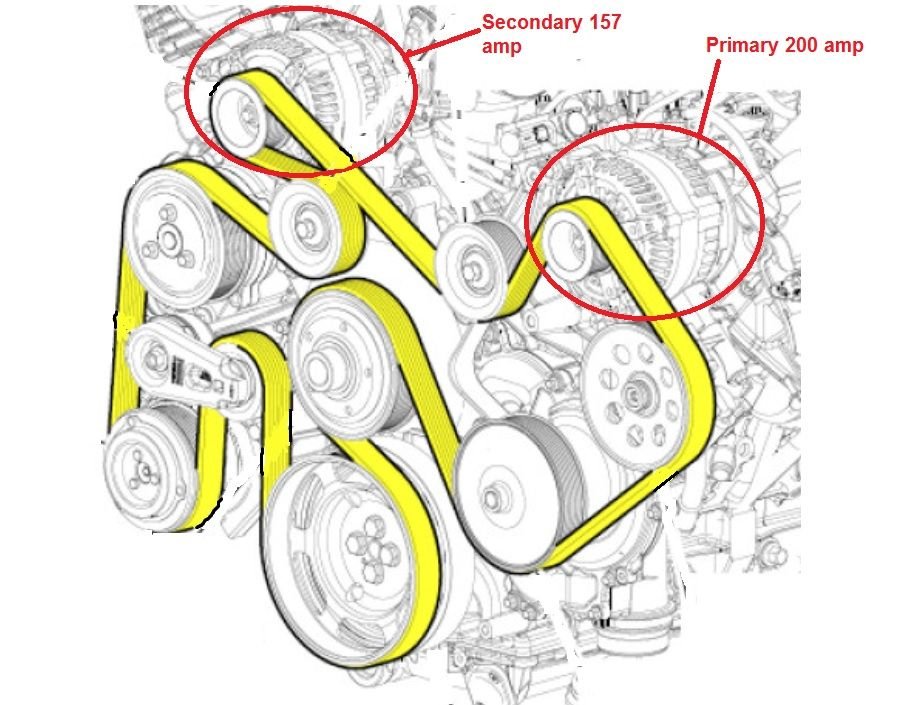
Alright, let's dive into the world of the 6.7 Powerstroke dual alternator belt system. This article is for you, the DIYer or experienced mechanic, who wants to understand how this system works, how to diagnose issues, and how to keep it running smoothly. We'll break down the diagram, explain the components, and give you some real-world troubleshooting tips.
Why This Diagram Matters
Having a clear understanding of the 6.7 Powerstroke dual alternator belt diagram is crucial for several reasons. Firstly, it's indispensable for repairs. If a belt breaks, frays, or you suspect misalignment, the diagram is your roadmap to correct belt routing. Secondly, for those interested in modifying their trucks, especially when adding accessories that increase electrical load, knowing the belt layout and component relationships helps in determining if the existing alternator system can handle the increased demand or if an upgrade is necessary. Thirdly, it is invaluable for general maintenance. Regular inspection of the belts and pulleys is part of preventative maintenance, and the diagram will help you identify the components to inspect. Finally, for those keen on learning the intricacies of their vehicle, understanding the alternator belt system provides insight into the engine's accessory drive system. You'll avoid costly mistakes and keep your Powerstroke running like a champ.
Key Specs and Main Parts
The 6.7 Powerstroke dual alternator system is designed to provide a high electrical output, which is especially important for trucks used for towing, hauling, or with numerous electrical accessories. Key specifications to consider are the alternator amperage ratings (typically ranging from 200A to 357A depending on the year and configuration) and the belt sizes themselves. Using the correct belt size and type is absolutely critical for proper tension and longevity. Here's a breakdown of the main components:
- Alternators: In a dual setup, you'll have a primary and a secondary alternator. The primary handles the truck's basic electrical needs, while the secondary assists, especially under heavy load.
- Crankshaft Pulley (Harmonic Balancer): This pulley is driven directly by the engine's crankshaft and transfers rotational force to the accessory drive system.
- Tensioner Pulleys: Spring-loaded tensioners maintain proper belt tension, preventing slippage and excessive wear. There will be dedicated tensioners for each belt.
- Idler Pulleys: Smooth pulleys that guide the belt around the system and maintain the correct wrap angle on the other pulleys.
- Water Pump Pulley: Driven by one of the belts, circulating coolant through the engine.
- Power Steering Pump Pulley: Another belt-driven component, providing hydraulic assistance for steering.
- A/C Compressor Pulley: Powered by the belt to drive the air conditioning system.
- Belts: Typically, the 6.7 Powerstroke dual alternator system utilizes two separate belts, each routing through a specific set of pulleys and alternators. These belts are usually ribbed, often referred to as serpentine belts, to maximize grip and power transfer.
Symbols – Understanding the Diagram
Understanding the symbols used in the belt diagram is essential for interpreting its information correctly. Here's a typical breakdown of common symbols:
- Solid Lines: Represent the belts themselves, indicating the routing path.
- Circles/Rounded Shapes: Indicate pulleys. The size can sometimes indicate the pulley diameter.
- Arrows on the Belt Lines: Show the direction of belt rotation.
- Spring Symbol: Represents the tensioner pulley, indicating its location and function.
- Component Icons: Small drawings or abbreviations represent specific components like the alternator (ALT), water pump (WP), power steering pump (PSP), and A/C compressor (AC).
- Dashed Lines: May represent the back side of the belt run, showing how the belt wraps around certain pulleys.
- Numbers/Labels: Identify specific pulleys or belt lengths.
The diagram often uses a simplified representation of the engine and its components, focusing primarily on the belt routing. Don't expect a detailed engine drawing; instead, focus on the relative positions of the pulleys and accessories.
How It Works
The 6.7 Powerstroke's dual alternator system is driven by the engine's crankshaft. The crankshaft pulley, also known as the harmonic balancer, is connected to the engine's rotating assembly and serves as the primary power source for the accessory drive system. Each belt has its own unique routing, and understanding that routing is key. One belt typically drives the primary alternator, water pump, and power steering pump. The other belt drives the secondary alternator and A/C compressor. The tensioner pulleys ensure the belts remain taut, preventing slippage and maintaining optimal performance. When the engine is running, the crankshaft pulley rotates, driving the belts and, consequently, all the connected accessories. The alternators generate electrical power to charge the batteries and power the vehicle's electrical system.
The dual alternator configuration ensures the vehicle can handle the increased electrical demands of heavy-duty use. For example, while towing a trailer with electric brakes and running auxiliary lights, the alternators work together to maintain a stable voltage and prevent battery drain. The PCM (Powertrain Control Module) manages the alternators, balancing their output and optimizing charging performance. It does this by controlling the field current to the alternators. The field current regulates the strength of the magnetic field, and therefor, the amount of electricity that each alternator can produce.
Real-World Use – Basic Troubleshooting Tips
Here are some common problems and troubleshooting steps related to the 6.7 Powerstroke dual alternator belt system:
- Squealing Noise: Often indicates a slipping belt. Check belt tension, look for signs of wear (cracks, fraying), and ensure the pulleys are clean and free of debris. A small amount of belt dressing *may* temporarily alleviate the squeal, but it is only masking the underlying problem.
- Belt Breakage: Indicates excessive wear, misalignment, or a seized pulley. Inspect all pulleys for free rotation. Replace the belt and address the underlying cause of the breakage.
- Battery Not Charging: Could be a faulty alternator, a loose or broken belt, or an issue with the charging system wiring. Use a multimeter to check alternator output and battery voltage. The voltage should be approximately 14.4 volts while the engine is running.
- Rough Idle or Vibration: Could be caused by a damaged harmonic balancer. Inspect the harmonic balancer for cracks or separation of the rubber damper.
- Overheating: A broken or slipping water pump belt can cause the engine to overheat. Immediately stop the engine and inspect the belt.
When troubleshooting, always refer to the belt diagram to ensure correct belt routing after any repair or replacement. Using the wrong belt routing can lead to serious engine damage.
Safety – Highlighting Risky Components
Working on the 6.7 Powerstroke's dual alternator system can be dangerous if proper precautions are not taken. Here are some key safety considerations:
- Disconnect the Battery: Always disconnect the negative battery terminal before working on any electrical components. This prevents accidental short circuits.
- Hot Engine: Allow the engine to cool completely before working on the belt system. Contact with hot components can cause severe burns.
- Moving Parts: Never work on the belt system while the engine is running. The rotating pulleys and belts can cause serious injury.
- Tools: Use the correct tools for the job. Using the wrong tools can damage components and increase the risk of injury.
- Eye Protection: Wear safety glasses to protect your eyes from debris.
- Belt Tension: Be extremely careful when releasing belt tension. The spring-loaded tensioner can snap back with considerable force. Use a proper belt tensioner tool.
- Proper Lifting: If lifting the vehicle is required, always use jack stands to support the vehicle's weight. Never rely solely on a jack.
Pay close attention to the harmonic balancer (crankshaft pulley). A failing harmonic balancer can separate, sending debris flying and causing serious engine damage. Inspect it regularly for any signs of cracking or separation.
We have a downloadable PDF file containing a detailed 6.7 Powerstroke dual alternator belt diagram, complete with part numbers and routing instructions. This file will be invaluable for your repairs and maintenance. To access the file, please [link to download or contact information here]. It is your go-to reference when dealing with your dual alternator system.