
7 Way Trailer Connector Wiring Diagram
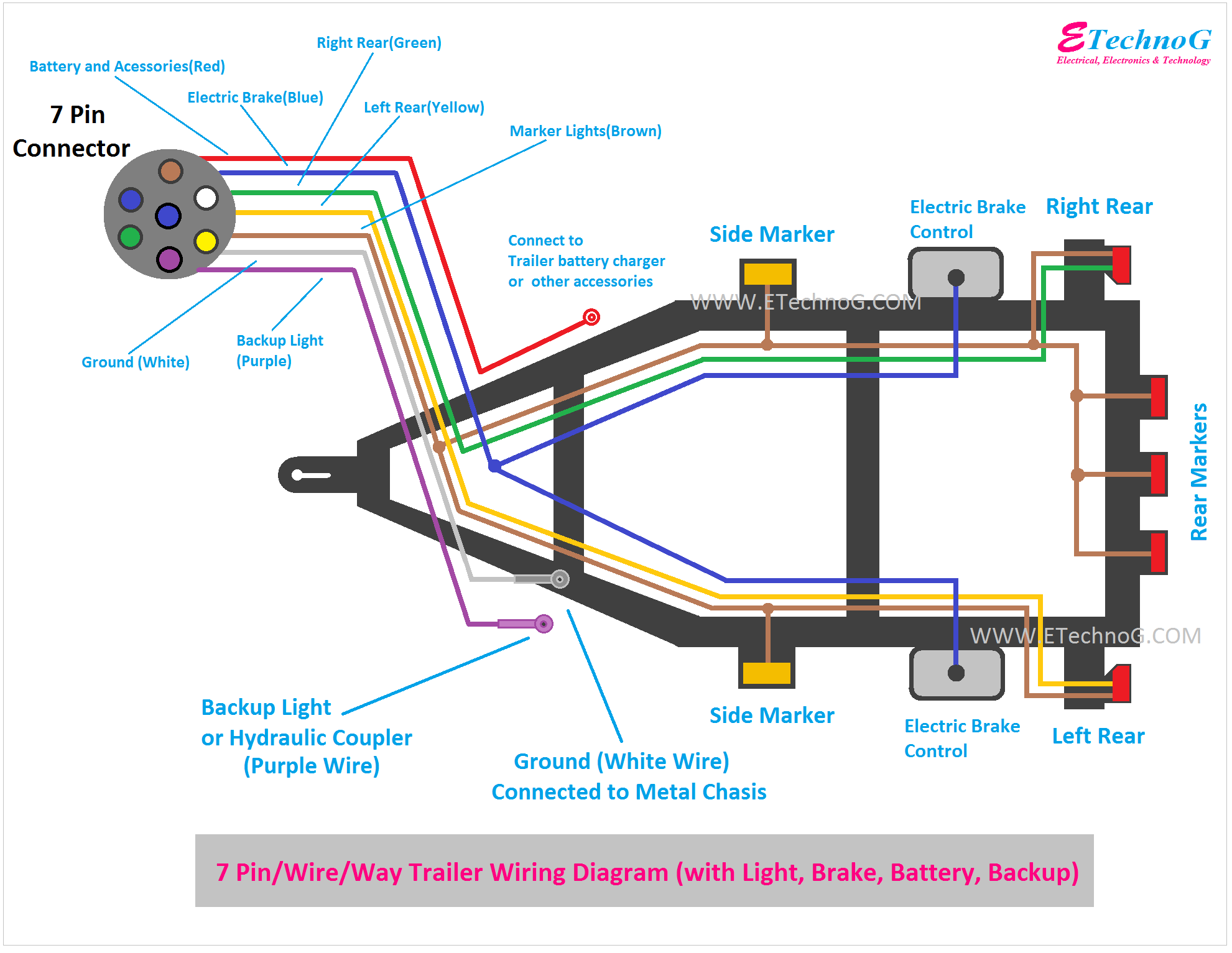
The 7-way trailer connector, officially known as the 7-way blade connector or RV blade connector, is the industry standard for connecting trailer lights and other electrical functions to a tow vehicle. Understanding its wiring diagram is crucial for anyone involved in towing, whether you're performing routine maintenance, troubleshooting electrical issues, or even building a custom trailer. This article will break down the 7-way wiring diagram, empowering you to confidently diagnose and resolve trailer electrical problems.
Why You Need to Understand the 7-Way Wiring Diagram
Having a firm grasp of the 7-way wiring diagram isn't just academic knowledge. It directly translates into practical benefits. Here's why it matters:
- Troubleshooting Electrical Issues: When trailer lights malfunction (blinking too fast, not working at all), knowing the wiring diagram allows you to pinpoint the source of the problem, whether it's a faulty ground, a short circuit, or a broken wire.
- Repairing and Replacing Connectors: Damaged connectors happen. With the diagram, you can confidently replace a damaged 7-way connector on either your tow vehicle or trailer, ensuring correct wiring and preventing future problems.
- Adding New Trailer Functions: Want to add electric brakes to your trailer? Need a 12V power source for interior lights or a battery? The 7-way provides the necessary connections, and the diagram guides you in making the proper connections.
- Custom Trailer Builds: Building a trailer from scratch requires a complete understanding of how to wire all the electrical systems. The 7-way is the common interface, and knowing the diagram is essential.
- Safety: Improperly wired trailer lights are a safety hazard, both for you and other drivers. Understanding the diagram ensures your lights function correctly, reducing the risk of accidents.
Key Specs and Main Parts of the 7-Way Connector
The 7-way connector is characterized by its seven individual terminals, arranged in a circular pattern with a central pin. Each terminal is designed to carry a specific electrical signal. The physical connector consists of two halves: one mounted on the tow vehicle and the other on the trailer. They mate together to establish the electrical connection.
Here's a breakdown of the standard functions assigned to each terminal:
- Ground (White): Provides the return path for all electrical circuits. A good, clean ground is absolutely critical for proper operation.
- Tail Lights (Brown): Powers the trailer's running lights (also known as taillights).
- Left Turn/Stop (Yellow): Powers the left turn signal and brake light on the trailer.
- Right Turn/Stop (Green): Powers the right turn signal and brake light on the trailer.
- Electric Brakes (Blue): Carries the signal to activate the trailer's electric brakes. This circuit typically requires a dedicated brake controller in the tow vehicle.
- Reverse Lights (Black): Powers the trailer's reverse lights.
- Auxiliary Power (Red): Provides a 12V DC power source for charging a trailer battery or powering interior lights. This circuit is often fused and may be connected directly to the tow vehicle's battery or through a relay.
Deciphering the 7-Way Wiring Diagram: Symbols and Conventions
Understanding the symbols used in a 7-way wiring diagram is key to interpreting it correctly. While specific diagrams might vary slightly, the core conventions remain consistent:
- Lines: Solid lines represent wires. Dashed lines may indicate optional or less common connections.
- Colors: Wires are typically color-coded to match the function they carry (e.g., white for ground, brown for taillights). Adhering to standard color coding is highly recommended for ease of troubleshooting later on.
- Terminal Icons: The diagram will usually depict the 7-way connector as a circle with seven labeled terminals. The labels correspond to the functions listed above (Ground, Tail Lights, Left Turn, etc.).
- Component Symbols: The diagram might include symbols for other components in the circuit, such as fuses (a zigzag line inside a rectangle), relays (a coil and a switch), and lights (a circle with an 'X' inside).
Most diagrams also include a legend or key that explains any symbols or abbreviations used. Pay close attention to this legend before attempting to interpret the diagram.
How the 7-Way System Works: A Functional Overview
The 7-way connector acts as a conduit, transferring electrical signals from the tow vehicle's lighting and braking systems to the trailer. When the tow vehicle's lights are activated (headlights, turn signals, brake lights), corresponding signals are sent through the 7-way connector to the trailer's lights. The electric brake circuit, controlled by a brake controller in the tow vehicle, sends a variable voltage signal to the trailer's brakes, allowing for proportional braking based on the tow vehicle's deceleration.
The auxiliary power circuit provides a continuous 12V DC power source, which can be used to charge a trailer battery while driving or to power interior lights or other accessories when the trailer is parked. It's crucial that this circuit be properly fused to prevent overloads and potential fires.
Real-World Use: Basic Troubleshooting Tips
Here are some common trailer electrical problems and how the 7-way wiring diagram can help you diagnose them:
- No Lights at All: Check the ground connection first. A bad ground is the most common cause of trailer lighting problems. Use a multimeter to test for continuity between the trailer frame and the tow vehicle's frame. If the ground is good, check the main fuse for the trailer lights in the tow vehicle.
- One Light Not Working: Use the wiring diagram to identify the circuit for the malfunctioning light. Check the bulb first. If the bulb is good, use a multimeter to test for voltage at the connector terminal. If there's no voltage, trace the wire back to the source, looking for breaks or loose connections.
- Lights Blinking Too Fast: This usually indicates a burned-out bulb on the trailer or tow vehicle. The increased resistance causes the flasher unit to blink faster. Check all the bulbs and replace any that are burned out.
- Electric Brakes Not Working: Verify that the brake controller in the tow vehicle is properly configured and functioning. Use a multimeter to test for voltage at the electric brake terminal on the 7-way connector when the brake pedal is pressed. If there's no voltage, check the brake controller wiring and fuses.
Safety Considerations: Handling Risky Components
Working with electrical systems always carries some risk. Here are some key safety precautions to keep in mind:
- Disconnect the Battery: Before working on any electrical wiring, disconnect the negative terminal of both the tow vehicle's and the trailer's batteries to prevent accidental shorts and shocks.
- Use Proper Tools: Use insulated tools designed for electrical work.
- Work in a Dry Environment: Never work on electrical systems in wet or damp conditions.
- Inspect Wiring Regularly: Check for frayed wires, corroded terminals, and loose connections. Repair or replace any damaged wiring immediately.
- Protect Wires: Route wires away from sharp edges and moving parts. Use cable ties or conduit to protect wires from abrasion.
- Fuses are Critical: Never bypass or use an oversized fuse. Fuses are designed to protect the wiring from overloads and prevent fires.
- Don't Exceed Capacity: Be mindful of the amperage rating of the wiring and connectors. Don't overload the circuits with too many lights or accessories.
Understanding the 7-way trailer connector wiring diagram is a valuable skill for any trailer owner or DIY mechanic. By familiarizing yourself with the functions of each terminal, the symbols used in the diagram, and basic troubleshooting techniques, you can confidently maintain and repair your trailer's electrical system, ensuring safe and reliable towing.
We have a detailed 7-way trailer connector wiring diagram available for download. This diagram includes color-coded wiring examples and clearly labeled terminals for easy reference. It provides an invaluable resource for understanding and working with 7-way trailer connectors.