
7.3 Powerstroke Serpentine Belt Diagram
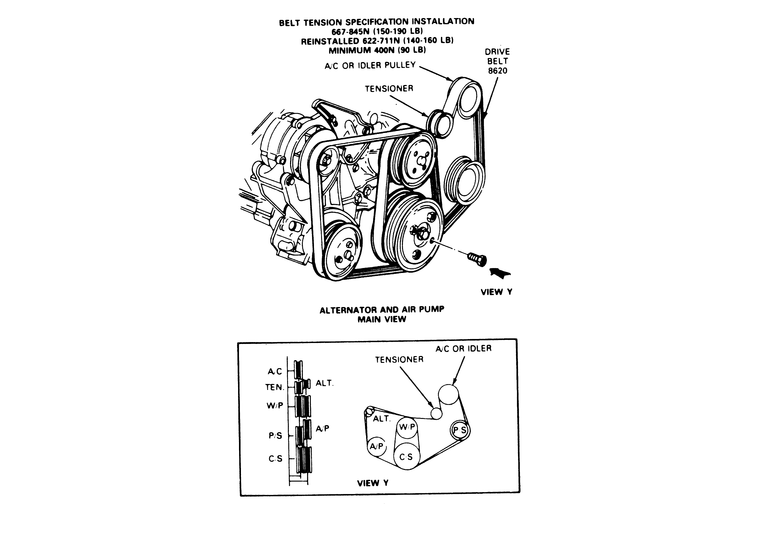
The 7.3L Powerstroke engine, a workhorse of the late '90s Ford truck lineup, is renowned for its reliability and robust performance. However, like any engine, regular maintenance is crucial to keep it running smoothly. One often-overlooked but essential aspect of this maintenance is the serpentine belt. This single belt snakes its way around various engine components, powering critical systems like the alternator, power steering pump, air conditioning compressor, and water pump. Understanding its routing, condition, and replacement procedure is vital for any owner tackling DIY repairs or simply wanting to better understand their engine. This article will serve as a comprehensive guide to the 7.3L Powerstroke serpentine belt diagram, covering everything from its purpose to troubleshooting common issues.
Purpose of the Serpentine Belt Diagram
The serpentine belt diagram is, in essence, a roadmap for your engine's accessory drive system. Its purpose is multifaceted:
- Accurate Belt Routing: This is the primary function. The diagram illustrates the precise path the serpentine belt must follow around all pulleys. Incorrect routing can lead to component damage, belt slippage, and failure of essential systems.
- Visual Aid for Maintenance: When inspecting or replacing the belt, the diagram provides a quick reference, ensuring you reinstall the new belt correctly.
- Troubleshooting: By understanding the belt's path and the components it drives, you can better diagnose issues like squealing noises, charging problems, or loss of power steering.
- Learning Engine Layout: Even if you're not actively working on the belt, the diagram can help you familiarize yourself with the layout of the engine and the location of key components.
Key Specs and Main Parts of the Serpentine Belt System
The 7.3L Powerstroke serpentine belt system comprises several key components, each with a specific role:
- Serpentine Belt: This is the main component, a long, multi-ribbed belt typically made of EPDM (Ethylene Propylene Diene Monomer) rubber. Its length and rib count vary slightly depending on model year and installed accessories. Refer to your specific vehicle's manual or the correct diagram to ensure you purchase the correct belt.
- Crankshaft Pulley (Damper): Located at the bottom of the engine, connected to the crankshaft. It's the driving force behind the serpentine belt. It also houses the harmonic balancer which dampens torsional vibration.
- Alternator Pulley: Powers the alternator, which charges the battery and provides electrical power to the vehicle.
- Power Steering Pump Pulley: Powers the power steering pump, which provides hydraulic assistance for steering.
- Air Conditioning Compressor Pulley: Powers the A/C compressor, which circulates refrigerant to cool the cabin.
- Water Pump Pulley: Powers the water pump, which circulates coolant throughout the engine to prevent overheating.
- Idler Pulley(s): Smooth pulleys that guide the belt and maintain proper tension. They typically have sealed bearings and should spin freely and quietly.
- Tensioner Pulley: This is a spring-loaded pulley that automatically adjusts the belt tension, ensuring proper grip and preventing slippage. A worn or faulty tensioner is a common cause of serpentine belt issues. A faulty tensioner may also cause your belt to fly off!
Understanding Serpentine Belt Diagram Symbols
Serpentine belt diagrams use various symbols to represent components and belt routing. Here's a breakdown of common symbols:
- Solid Lines: Indicate the path of the serpentine belt itself. The thickness of the line doesn't typically represent anything significant.
- Circles: Represent pulleys. The size of the circle generally corresponds to the approximate size of the pulley.
- Labels: Each pulley is typically labeled with an abbreviation indicating the component it drives (e.g., ALT for alternator, P/S for power steering, A/C for air conditioning, WP for water pump).
- Arrows: Indicate the direction of belt travel. This is crucial for ensuring correct routing.
- Tensioner Symbol: The tensioner pulley is often represented with a spring symbol, indicating its spring-loaded mechanism.
- Idler Pulley Symbol: Idler pulleys are usually shown as smooth circles without any attached component labels.
- Dashed lines or shaded areas: These may indicate the back (smooth) side of the belt contacting a pulley, especially on idler pulleys or the tensioner pulley. This is to further clarify routing.
How the Serpentine Belt System Works
The 7.3L Powerstroke serpentine belt system is a relatively simple but effective power transmission system. The crankshaft pulley, driven by the engine's rotation, provides the power to drive the belt. The serpentine belt then wraps around the various accessory pulleys, transferring this rotational force to each component. The tensioner pulley maintains consistent belt tension, preventing slippage and ensuring efficient power transfer. Proper belt tension is critical for the proper function of the driven components. Without the proper tension, the components can either be over-strained or under-powered.
The order in which the belt wraps around the pulleys is carefully engineered to optimize power transfer and minimize stress on the belt. The tensioner pulley plays a crucial role in this, maintaining the correct amount of tension to prevent slippage and ensure all accessories are driven efficiently.
Real-World Use and Basic Troubleshooting
Here are some common issues you might encounter with your 7.3L Powerstroke serpentine belt system and how the diagram can aid in troubleshooting:
- Squealing Noise: A squealing noise, especially when the engine is cold or under load, often indicates a loose or worn belt. Use the diagram to check the belt's routing and tensioner pulley. A worn or weak tensioner may not be applying enough pressure. Also, check for signs of glazing or cracking on the belt.
- Belt Slippage: Noticeable slippage, especially when running the A/C or power steering at low speeds, suggests a loose belt, worn pulleys, or excessive load on one of the accessories. Inspect the belt for wear and tear and check the pulleys for damage.
- Battery Not Charging: If the alternator isn't being driven properly due to belt slippage or a broken belt, the battery won't charge. Check the belt's routing and tension, and inspect the alternator pulley for proper engagement.
- Loss of Power Steering: A slipping or broken belt can prevent the power steering pump from operating, resulting in a loss of power steering.
- Overheating: If the water pump isn't being driven due to belt issues, the engine can overheat. This is a serious issue that requires immediate attention.
- Belt "Walking" or Misalignment: Inspect the pulleys for bends or damage. This can cause the belt to walk off the pulleys, causing further damage.
If you suspect a problem with your serpentine belt system, use the diagram to visually inspect the belt's routing, tensioner, and pulleys. Look for signs of wear, damage, or misalignment. A simple visual inspection can often pinpoint the source of the problem.
Safety Considerations
Working on the serpentine belt system involves several safety risks. Here are some key precautions:
- Disconnect the Battery: Before working on any electrical components, disconnect the negative battery cable to prevent accidental shorts or electrical shocks.
- Engine Off and Cool: Never work on the serpentine belt system while the engine is running or hot. Burns are a serious risk.
- Moving Parts: Keep your hands, clothing, and tools clear of moving parts, especially the belt and pulleys.
- Tensioner Release: Be aware of the spring-loaded tensioner. When releasing the tension on the belt, use the proper tool and exercise caution to avoid injury. The tensioner can snap back with significant force.
- Sharp Edges: Some pulleys and brackets may have sharp edges. Wear gloves to protect your hands.
- Eye Protection: Always wear safety glasses to protect your eyes from debris.
The tensioner is a potential hazard. Always use the appropriate tools and techniques to release the tension safely.
Understanding the 7.3L Powerstroke serpentine belt diagram is crucial for performing maintenance, troubleshooting issues, and ensuring the reliable operation of your engine's accessory drive system. By following the correct routing, maintaining proper tension, and addressing any issues promptly, you can keep your Powerstroke running smoothly for years to come. We have the serpentine belt diagram available for download. This resource can be invaluable for visual reference and troubleshooting. It will save you time and potential errors when working on your engine.