
Briggs And Stratton Fuel Pump Diagram
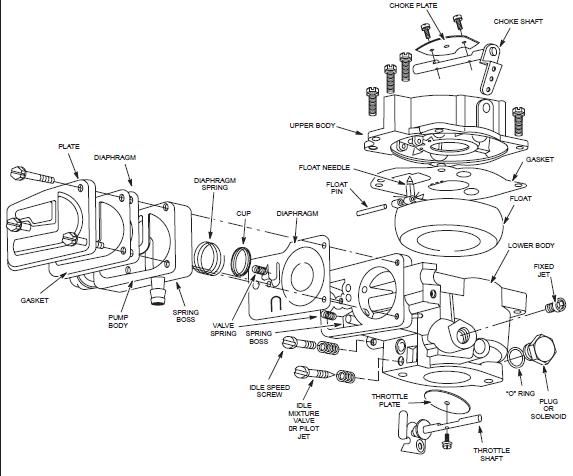
Understanding the fuel system on your Briggs & Stratton engine is crucial for maintaining peak performance, troubleshooting issues, and even performing modifications. A fuel pump diagram is an invaluable tool in this endeavor. This article will break down the components, symbology, and operation of a typical Briggs & Stratton fuel pump system, providing you with the knowledge to confidently diagnose and address fuel-related problems.
Purpose of a Fuel Pump Diagram
Why bother with a fuel pump diagram? It's simple: it's your roadmap. Think of it as the schematic of your engine's circulatory system, but for fuel. These diagrams serve several critical purposes:
- Troubleshooting: When your engine sputters, stalls, or refuses to start, the diagram helps you systematically trace the fuel path to pinpoint the problem.
- Repairs: Whether replacing a worn-out fuel line or rebuilding the pump itself, the diagram ensures you reassemble everything correctly.
- Understanding Operation: Even if your engine is running fine, studying the diagram provides a deeper understanding of how the fuel system functions, empowering you to perform preventative maintenance.
- Modifications: Planning to upgrade your fuel filter or add a fuel shut-off valve? The diagram helps you identify the correct locations and connections.
Key Specs and Main Parts
Before diving into the diagram itself, let's familiarize ourselves with the essential components of a typical Briggs & Stratton fuel system. Keep in mind that configurations can vary slightly depending on the engine model, but the core principles remain the same.
Fuel Tank
The fuel tank is the reservoir that holds the gasoline, providing a supply for the engine to draw from. Its capacity varies widely depending on the application. Pay attention to the tank's material (plastic or metal) and its venting system, as proper venting is critical for consistent fuel delivery.
Fuel Cap
The fuel cap seals the fuel tank and often incorporates a vent to allow air to enter as fuel is consumed. A clogged or improperly functioning vent can create a vacuum in the tank, hindering fuel flow.
Fuel Line
The fuel line is a flexible tube that carries fuel from the tank to the fuel pump and then to the carburetor. Fuel lines are typically made of rubber or plastic and are susceptible to cracking, hardening, and leaks over time. Ensure you use fuel-resistant hoses rated for gasoline.
Fuel Filter
The fuel filter removes contaminants from the fuel before it reaches the carburetor. This prevents debris from clogging the jets and passages in the carburetor, ensuring smooth engine operation. Inline filters are common, but some engines may use a filter screen inside the fuel tank or carburetor.
Fuel Pump
The heart of the fuel system, the fuel pump, draws fuel from the tank and delivers it to the carburetor. Most small Briggs & Stratton engines utilize a vacuum-operated diaphragm fuel pump. This type of pump uses the vacuum created by the engine's intake stroke to actuate a diaphragm, which pumps the fuel. Mechanical pumps are also possible depending on the engine. The pump often has an inlet (from the tank), an outlet (to the carburetor), and a vacuum port (connected to the engine).
Carburetor
The carburetor mixes fuel with air in the correct ratio to create a combustible mixture that is delivered to the engine's cylinder. It’s a complex component with jets, needles, and floats that precisely regulate the fuel flow.
Understanding Diagram Symbols
Fuel pump diagrams use standardized symbols to represent different components and connections. Here's a breakdown of common symbols:
- Solid Lines: Represent fuel lines carrying liquid fuel. The thickness of the line doesn't typically indicate the size of the line.
- Dashed Lines: Usually represent vacuum lines.
- Circles or Ovals: Often indicate components like the fuel filter or a pressure regulator.
- Rectangles: Might represent the fuel pump itself or other control devices.
- Arrows: Show the direction of fuel flow.
- T-Junctions: Indicate a point where two or more fuel lines connect.
- Ground Symbol: A symbol looking like an upside-down triangle. This shows the connection to the engine block itself.
Colors are less standardized but may be used to differentiate between fuel lines, vacuum lines, or different types of fuel (e.g., gasoline vs. fuel-oil mixture). Consult the diagram's legend for specific color coding.
How It Works: The Vacuum-Operated Fuel Pump
Let's examine the operation of a typical vacuum-operated diaphragm fuel pump, as used by most small Briggs & Stratton engines.
- Vacuum Generation: As the engine runs, the downward stroke of the piston in the cylinder creates a vacuum in the intake manifold or crankcase.
- Vacuum Line: This vacuum is transmitted through a vacuum line to the fuel pump.
- Diaphragm Action: Inside the fuel pump, the vacuum pulls on a flexible diaphragm. This creates a low-pressure area on one side of the diaphragm.
- Fuel Intake: The low pressure opens an inlet valve, allowing fuel to be drawn from the fuel tank, through the fuel line, and into the pump chamber.
- Diaphragm Return: When the vacuum diminishes (as the piston moves upward), a spring pushes the diaphragm back to its original position.
- Fuel Delivery: This movement closes the inlet valve and opens an outlet valve, forcing the fuel out of the pump and into the fuel line leading to the carburetor.
- Repetition: This cycle repeats continuously as the engine runs, providing a constant supply of fuel to the carburetor.
Real-World Use: Basic Troubleshooting Tips
Here are some basic troubleshooting tips based on the fuel pump diagram:
- Engine Won't Start: Check the fuel tank level, fuel lines for cracks or kinks, and the fuel filter for clogs. Disconnect the fuel line at the carburetor and check for fuel flow while cranking the engine. If no fuel is present, suspect a faulty fuel pump, blocked fuel line, or a problem with the fuel tank venting.
- Engine Runs Rough or Stalls: This could be caused by a partially clogged fuel filter, a weak fuel pump, or air leaks in the fuel lines. Check the vacuum line to the fuel pump for cracks or loose connections.
- Fuel Leak: Inspect all fuel lines, connections, and the fuel pump itself for leaks. Replace any damaged components immediately.
- Carburetor Flooding: If the carburetor is overflowing with fuel, it could be caused by a faulty fuel pump that is delivering too much fuel pressure, a stuck float needle in the carburetor, or debris preventing the needle from seating correctly.
Safety Precautions
Working with fuel systems involves inherent risks. Gasoline is highly flammable, and fuel vapors can be explosive. Observe the following safety precautions:
- Work in a Well-Ventilated Area: Avoid working in enclosed spaces where fuel vapors can accumulate.
- No Smoking or Open Flames: Keep all sources of ignition away from the work area.
- Disconnect the Spark Plug: Before working on the fuel system, disconnect the spark plug wire to prevent accidental starting.
- Use Proper Tools: Use fuel-resistant hoses and fittings designed for gasoline.
- Dispose of Fuel Properly: Do not pour gasoline down drains or into the environment. Dispose of it at a designated recycling center.
- Fuel Pump Electrical Connections: Be cautious of any electrical connections related to the fuel pump (especially if it is an electric fuel pump in a larger engine). Ensure the system is de-energized before disconnecting or connecting any wiring.
Fuel pumps and carburetors can contain residual fuel even when the engine is off. Always wear eye protection and gloves when working on these components.
Remember to always consult your specific engine's service manual for detailed instructions and torque specifications.
We have a detailed Briggs & Stratton fuel pump diagram file available for download. It contains more specifics information on fuel pump and all the parts that related to it. Contact us for the file, happy repairing!