
Cables Diagrama Ubicacion De Sensores De Oxigeno
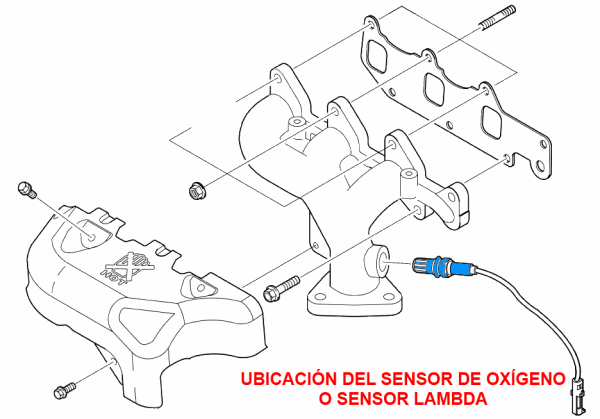
Understanding your vehicle's oxygen (O2) sensor circuit is crucial for both routine maintenance and tackling more complex engine performance issues. A good cable diagram, showing the O2 sensor location, wiring, and pinouts, is an invaluable resource. This article will break down how to interpret these diagrams, empowering you to diagnose and potentially fix O2 sensor related problems yourself.
Why This Diagram Matters
An O2 sensor cable diagram and sensor location guide isn't just a pretty picture; it's a roadmap to your engine's health. Here's why it's so important:
- Accurate Diagnosis: Knowing exactly which wire goes where, and which sensor is which (upstream vs. downstream, bank 1 vs. bank 2), is critical for pinpointing faulty components. Generic OBD-II codes often point to "O2 sensor circuit" issues, but the diagram helps you narrow it down to a specific sensor or wiring problem.
- Efficient Repairs: Instead of blindly replacing parts, the diagram allows you to test individual circuits for continuity, voltage, and resistance. This saves time and money, and ensures you're addressing the root cause of the problem.
- Modifications & Upgrades: If you're modifying your exhaust system, installing aftermarket headers, or considering wideband O2 sensors, understanding the existing wiring is essential for a successful and safe installation. You need to know which wires to tap into and how to avoid interfering with the ECU's (Engine Control Unit) operation.
- Learning & Understanding: Even if you don't plan on performing the repairs yourself, studying the diagram provides a deeper understanding of how your engine's emission control system works. This knowledge empowers you to communicate more effectively with your mechanic and make informed decisions about your car's maintenance.
Key Specs and Main Parts
Before diving into the diagram itself, let's define some key specifications and components related to the O2 sensor circuit:
- O2 Sensor Types:
- Zirconia Sensors: The most common type. They generate their own voltage based on the difference in oxygen levels between the exhaust gas and the atmosphere.
- Titania Sensors: Less common. Their resistance changes based on oxygen levels.
- Wideband Sensors (Air-Fuel Ratio Sensors): More sophisticated and provide a more accurate air-fuel ratio reading than traditional O2 sensors. Typically found on newer vehicles.
- Sensor Locations:
- Upstream (Pre-Catalytic Converter): Measures the oxygen content of the exhaust gas before it passes through the catalytic converter. It's crucial for the ECU to adjust the air-fuel mixture for optimal combustion. Often referred to as "Sensor 1".
- Downstream (Post-Catalytic Converter): Measures the oxygen content after the catalytic converter. It monitors the converter's efficiency. Often referred to as "Sensor 2".
- Banks: V-engines and some inline engines have two separate exhaust manifolds. These are referred to as "Bank 1" and "Bank 2." Identifying which sensor belongs to which bank is critical.
- Wiring: O2 sensors typically have 1 to 4 wires, each with a specific function:
- Sensor Signal: The voltage (or resistance) signal that the sensor sends to the ECU.
- Sensor Ground: The ground connection for the sensor.
- Heater Power: Power for the sensor's internal heater (used to bring the sensor up to operating temperature quickly).
- Heater Ground: Ground for the heater circuit.
- ECU (Engine Control Unit): The brain of the engine. It receives signals from the O2 sensors and adjusts the air-fuel mixture, ignition timing, and other parameters.
- Connectors: These are the physical connections between the O2 sensor and the vehicle's wiring harness. Diagrams will show the connector pinout, which indicates which wire connects to which pin.
Symbols: Understanding the Language of the Diagram
O2 sensor diagrams use a standardized set of symbols to represent different components and wires. Here's a breakdown of common symbols:
- Lines: Represent wires. Different line styles (solid, dashed, dotted) may indicate different types of wires or circuits. For example, a thicker line might indicate a higher gauge wire.
- Colors: Wires are often color-coded to help with identification. The diagram will include a key that lists the color abbreviations (e.g., BLK for black, RED for red, GRN for green). Be aware that wire colors can sometimes vary depending on the year and model of the vehicle.
- Ground Symbols: Represent a connection to the vehicle's chassis ground. Look for symbols resembling an upside-down Christmas tree or a series of parallel lines.
- Connector Symbols: Represent electrical connectors. They often include pin numbers to indicate the order of the wires.
- Component Symbols: Standardized symbols are used for components like resistors, capacitors, and diodes. These components may be part of the O2 sensor circuit.
- ECU Pin Numbers: The diagram will show which pin on the ECU the O2 sensor wires connect to. This is essential for troubleshooting problems within the ECU itself.
It's crucial to carefully study the legend or key provided with the diagram. This will explain the meaning of each symbol and color code used.
How It Works: The Circuit in Action
The O2 sensor circuit is a feedback loop that helps the ECU maintain the ideal air-fuel ratio (approximately 14.7:1, known as stoichiometric). Here's a simplified explanation of how it works:
- Sensor Detects Oxygen Levels: The upstream O2 sensor detects the amount of oxygen in the exhaust gas.
- Signal Sent to ECU: The sensor sends a voltage signal to the ECU. A higher voltage indicates a richer mixture (less oxygen), while a lower voltage indicates a leaner mixture (more oxygen).
- ECU Adjusts Air-Fuel Mixture: Based on the O2 sensor signal, the ECU adjusts the amount of fuel injected into the engine. If the mixture is too lean, the ECU will increase fuel injection; if it's too rich, the ECU will decrease fuel injection.
- Downstream Sensor Monitors Converter: The downstream O2 sensor monitors the efficiency of the catalytic converter. It should show a relatively stable signal compared to the upstream sensor. If the downstream sensor signal is fluctuating wildly, it may indicate a failing catalytic converter.
The heater circuit ensures that the O2 sensor reaches its operating temperature quickly, allowing the ECU to start using the sensor's signal sooner. Without the heater, the engine would run less efficiently and produce more emissions during cold starts.
Real-World Use: Basic Troubleshooting Tips
Here are some basic troubleshooting tips using the O2 sensor diagram:
- Check for Obvious Damage: Visually inspect the O2 sensors, wiring, and connectors for any signs of damage, such as frayed wires, melted connectors, or corrosion. The diagram will help you locate these components easily.
- Test for Continuity: Use a multimeter to check the continuity of the wires between the O2 sensor and the ECU. The diagram will show you which pins to test. Lack of continuity indicates a broken wire.
- Check for Voltage: With the engine running, use a multimeter to check the voltage at the O2 sensor connector. The diagram may provide expected voltage ranges. A missing or incorrect voltage could indicate a faulty sensor, wiring problem, or ECU issue.
- Scan for Diagnostic Trouble Codes (DTCs): Use an OBD-II scanner to retrieve any DTCs related to the O2 sensor circuit. The diagram can help you interpret the codes and pinpoint the affected sensor or circuit.
- Inspect Fuses: Check the fuses that protect the O2 sensor heater circuit. A blown fuse can prevent the sensor from heating up and functioning properly.
Important Note: Always disconnect the negative battery terminal before working on any electrical components of your vehicle. This will prevent accidental short circuits and potential injury.
Safety First!
Working with electrical systems can be dangerous. Here are some safety precautions to keep in mind:
- Disconnect the Battery: As mentioned above, disconnect the negative battery terminal before starting any electrical work.
- Use Proper Tools: Use insulated tools to avoid electric shock.
- Avoid Working in Wet Conditions: Water can conduct electricity, increasing the risk of shock.
- Be Aware of Hot Exhaust Components: The exhaust manifold and catalytic converter can get extremely hot. Allow them to cool down completely before working near them.
- Be Careful of the PCM (Powertrain Control Module): The PCM is a sensitive electronic component. Avoid static electricity when handling the PCM or its connectors. Ground yourself before touching any PCM components.
O2 sensors themselves can get very hot due to their proximity to the exhaust. Let the engine cool down completely before attempting to remove or replace them.
By understanding the cable diagram and sensor locations, you can confidently diagnose and address O2 sensor-related problems, saving yourself time and money. The diagram is a valuable tool in your automotive repair arsenal.
We have a high-resolution version of a sample O2 sensor cable diagram and sensor location guide available for download. This document provides a detailed visual representation of a typical O2 sensor circuit. Download Diagram Here