
Chainsaw Carburetor Fuel Line Diagram
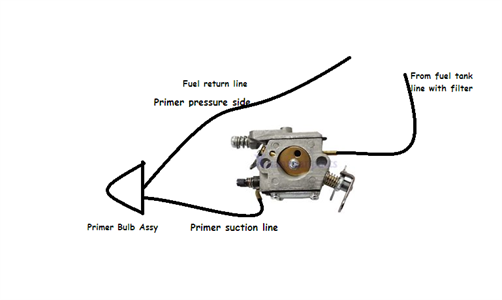
Understanding the fuel line diagram for your chainsaw carburetor is crucial for successful repairs, maintenance, and even performance modifications. It’s like having a roadmap to your engine's fuel delivery system, allowing you to diagnose problems, replace components correctly, and optimize your chainsaw's performance. Without this knowledge, you risk damaging your engine or creating a safety hazard. We'll break down the anatomy of a typical chainsaw carburetor fuel line system, explain how it functions, and give you practical troubleshooting tips.
Purpose of a Chainsaw Carburetor Fuel Line Diagram
Why bother with a diagram? Here are a few compelling reasons:
- Troubleshooting: When your chainsaw won't start, sputters, or idles poorly, the fuel system is a prime suspect. The diagram helps you trace the fuel path, identify potential blockages, leaks, or faulty components.
- Repairs and Replacement: Replacing fuel lines, fuel filters, or the carburetor itself requires knowing the correct routing and connections. Incorrect assembly can lead to fuel leaks, poor performance, and even engine damage.
- Maintenance: Regular inspection and maintenance of fuel lines and filters are essential for reliable chainsaw operation. The diagram helps you identify these components and their location.
- Learning and Understanding: For the DIY enthusiast, understanding the fuel system enhances your knowledge of small engine mechanics. It empowers you to tackle more complex repairs and modifications.
- Performance Modifications: If you're considering modifying your chainsaw for increased power, understanding the fuel system is crucial for ensuring adequate fuel delivery.
Key Specs and Main Parts
Before diving into the diagram, let's review the key components and specifications of a typical chainsaw carburetor fuel system. These parts are common across many models, though specific designs may vary.
- Fuel Tank: The reservoir that holds the gasoline and oil mixture.
- Fuel Cap: Seals the fuel tank and often includes a vent to prevent a vacuum from forming.
- Fuel Line(s): Flexible hoses that transport fuel from the tank to the carburetor and back (return line in some models). Usually made of a specialized plastic resistant to fuel degradation.
- Fuel Filter: Located inside the fuel tank, attached to the fuel line. It filters out debris and contaminants to prevent them from clogging the carburetor.
- Primer Bulb: A small, manually operated pump that draws fuel from the tank and primes the carburetor for easier starting.
- Carburetor: The heart of the fuel system. It mixes air and fuel in the correct ratio for combustion. Key components within the carburetor include the jets (main jet, idle jet), needle valve, float, and throttle valve.
- Impulse Line: A small hose connecting the engine crankcase to the carburetor. It provides the pressure pulses that operate the fuel pump within the carburetor. Some carburetors use a vacuum tap instead of impulse line.
- Return Line (Optional): Some chainsaws have a fuel return line that sends excess fuel back to the fuel tank, typically to prevent vapor lock in hot conditions.
Symbols and Conventions in a Chainsaw Carburetor Fuel Line Diagram
Understanding the symbols used in the diagram is essential for interpreting it correctly. Here's a breakdown of common conventions:
- Solid Lines: Typically represent fuel lines carrying fuel. The thickness of the line may indicate the diameter of the hose.
- Dashed Lines: Often represent vacuum lines or impulse lines.
- Arrows: Indicate the direction of fuel flow. Pay close attention to these!
- Circles or Squares: May represent components like fuel filters, primer bulbs, or check valves. The diagram key should identify these symbols.
- Color Coding (Less Common): Some diagrams use color coding to differentiate between fuel lines, vacuum lines, and return lines. Consult the diagram key.
- Component Labels: Each component is usually labeled with a name or abbreviation (e.g., "Fuel Tank," "Carb," "Filter").
- Connectors and Fittings: Diagrams typically show the type of fitting used to connect the fuel lines to various components (e.g., barb fitting, compression fitting).
How It Works: The Fuel Delivery Process
Now, let's trace the fuel's journey from the tank to the engine:
- Fuel Pickup: Fuel is drawn from the fuel tank through the fuel filter and into the main fuel line.
- Primer Bulb (if equipped): Pushing the primer bulb manually draws fuel into the carburetor, priming the system for starting.
- Carburetor Intake: The fuel line connects to the carburetor. Inside, the carburetor regulates the fuel-air mixture.
- Fuel Metering: The carburetor's internal components (jets, needle valve, float) precisely control the amount of fuel mixed with air. The needle valve, controlled by the float, regulates fuel entering the carburetor bowl to maintain a consistent fuel level.
- Atomization and Mixing: Air flows through the carburetor, creating a vacuum that draws fuel from the jets. The fuel is atomized (broken into tiny droplets) and mixed with air to form a combustible mixture.
- Delivery to Engine: The fuel-air mixture is drawn into the engine's cylinder, where it is ignited by the spark plug, creating combustion.
- Return Line (if equipped): Excess fuel, if any, is returned to the fuel tank via the return line.
Real-World Use: Basic Troubleshooting Tips
The fuel line diagram is your ally when your chainsaw misbehaves. Here's how to use it for troubleshooting:
- No Start: Check for fuel in the tank. Trace the fuel line from the tank to the carburetor. Look for kinks, cracks, or disconnections. Verify the fuel filter isn't clogged. Test the primer bulb to see if it's drawing fuel.
- Poor Idle: A clogged idle jet in the carburetor is a common culprit. The diagram helps you identify the carburetor and understand its connection to the fuel lines.
- Sputtering or Stalling: This could indicate a lean fuel mixture (too little fuel). Check for air leaks in the fuel lines or a partially clogged fuel filter. Inspect the impulse line.
- Fuel Leaks: Visually inspect all fuel lines, connections, and the carburetor for leaks. The diagram helps you identify the source of the leak.
Safety Considerations
Working with fuel systems involves inherent risks. Here are some important safety precautions:
- Work in a Well-Ventilated Area: Gasoline fumes are flammable and can be harmful to breathe.
- Disconnect the Spark Plug: This prevents accidental starting during repairs.
- Use Approved Fuel Containers: Store gasoline in approved containers.
- Avoid Open Flames: Never work near open flames or sources of ignition.
- Handle Fuel Lines Carefully: Fuel lines can become brittle over time. Handle them gently to avoid cracking or breaking them.
- Dispose of Fuel Properly: Do not pour gasoline down drains or into the environment. Dispose of it according to local regulations.
- Carburetors: Carburetors contain highly flammable fuel. Exercise extreme caution when disassembling or cleaning them.
The fuel tank and fuel lines are highly risky components because they contain and transport flammable fuel. Any leaks or mishandling can result in a fire hazard.
With a good understanding of your chainsaw's fuel line diagram, you will be well-equipped to keep your saw running smoothly, to diagnose problems quickly, and prevent small problems from snowballing into big ones.
We have the fuel line diagram available for download. You can access the file to use it as a reference during your repairs and maintenance.