
Check Trailer Brake Wiring Message Ram
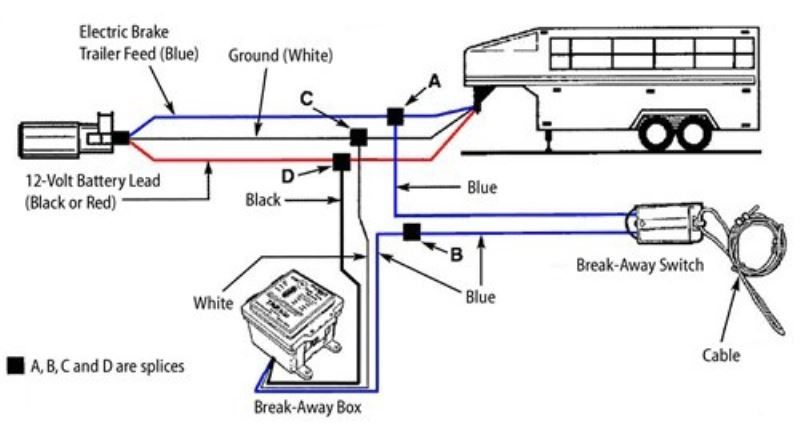
Alright, let's dive into that dreaded "Check Trailer Brake Wiring" message you're seeing on your Ram truck. This article will give you a solid understanding of the trailer brake wiring system, helping you diagnose and fix common issues. Knowing how this system works is crucial for safe towing, whether you're hauling equipment, a camper, or anything in between. We'll cover the main components, wiring diagram interpretation, and basic troubleshooting, all with a focus on empowering you to tackle this yourself.
Purpose: Understanding Your Trailer Brake Wiring
The trailer brake wiring diagram is your roadmap to understanding how your Ram communicates with your trailer's braking system. It's more than just a pretty picture; it's your key to:
- Troubleshooting: Pinpointing breaks in the circuit, shorts, or faulty components.
- Repair: Accurately replacing damaged wiring or connectors.
- Upgrades: Adding or modifying the system for enhanced performance.
- Learning: Gaining a deeper understanding of your vehicle's electrical system.
Ignoring the "Check Trailer Brake Wiring" message can have serious consequences. Malfunctioning trailer brakes compromise your stopping distance and overall control, putting you and others at risk. A solid understanding of the wiring system allows you to address the problem promptly and safely.
Key Specs and Main Parts
Before we jump into the diagram itself, let's identify the main players in the trailer brake system:
- Trailer Brake Controller (TBC): This is the brains of the operation. Located inside your Ram, it senses your truck's deceleration and proportionally applies the trailer brakes. Modern Ram trucks often come with integrated TBCs, making the connection seamless.
- 7-Way Connector (RV Blade Connector): This is the standardized connector on your truck's hitch. It carries signals for various trailer functions, including:
- Ground: The return path for the electrical circuit.
- Tail Lights: Powers the trailer's running lights.
- Left Turn/Brake: Signals the trailer's left turn signal and brake light.
- Right Turn/Brake: Signals the trailer's right turn signal and brake light.
- Electric Brakes: Sends the variable voltage signal to activate the trailer brakes. This is the line we're most concerned with.
- Auxiliary Power (12V+): Provides a constant 12V power source for trailer accessories like lights or refrigerators.
- Reverse Lights: Activates the trailer's reverse lights when the truck is in reverse.
- Trailer Wiring Harness: The wiring that runs along the trailer, connecting the 7-way connector to the trailer's lights and brakes.
- Electric Brake Magnets: Located inside each trailer brake drum, these magnets are energized by the TBC signal and attract to the rotating drum, applying the brakes.
- Wiring and Connectors: The backbone of the entire system. Quality wiring and secure connectors are essential for reliable operation.
- Fuses and Relays: Protection for the electrical circuits. Always check these first when troubleshooting.
Symbols: Decoding the Wiring Diagram
Understanding the symbols used in the wiring diagram is crucial for accurate interpretation. Here's a breakdown of common symbols:
- Solid Lines: Represent wires. Thicker lines often indicate higher amperage circuits (like the electric brake circuit).
- Dashed Lines: Can represent shielded cables or wires that are only present in certain configurations.
- Circles: Usually indicate connectors or terminals where wires are joined.
- Squares and Rectangles: Represent components like relays, fuses, and the TBC itself.
- Ground Symbol (usually a downward-pointing triangle or a series of lines): Indicates a connection to the vehicle's chassis ground. Proper grounding is critical for the trailer brake system to function correctly.
- Colors: Each wire is typically identified by a color code (e.g., BLK for Black, WHT for White, BLU for Blue, RED for Red). These colors are consistent throughout the vehicle's wiring harness.
- Numbers: Often used to identify specific circuits or wires within a connector.
The color coding is particularly important. For example, the wire carrying the electric brake signal is usually blue. Always refer to the wiring diagram for your specific Ram model year to confirm the color codes.
How It Works: From Brake Pedal to Trailer Brakes
Here's a simplified explanation of how the trailer brake system operates:
- When you press the brake pedal in your Ram, the TBC senses the deceleration rate.
- The TBC then sends a variable voltage signal to the electric brake wire (usually blue) in the 7-way connector. The voltage is proportional to the deceleration rate; harder braking results in higher voltage.
- This voltage travels through the trailer wiring harness to the electric brake magnets inside the trailer's brake drums.
- The magnets energize and are attracted to the rotating brake drums. This friction applies the trailer brakes.
- The TBC also monitors the current flow to the trailer brakes. If it detects a problem, such as a short circuit or open circuit, it will trigger the "Check Trailer Brake Wiring" message.
The key is proportional braking. The trailer brakes should apply smoothly and proportionally to the truck's brakes, preventing jerky stops or trailer sway.
Real-World Use: Basic Troubleshooting Tips
Seeing that "Check Trailer Brake Wiring" message? Here's a starting point for your troubleshooting:
- Visual Inspection: Start with a thorough visual inspection of the 7-way connector on both the truck and the trailer. Look for corroded terminals, loose wires, or damaged connectors.
- Clean Connectors: Clean the terminals on the 7-way connectors with electrical contact cleaner. Corroded terminals can impede the signal.
- Check Fuses: Consult your Ram's owner's manual to locate the fuses related to the trailer brake controller. Check them for continuity with a multimeter.
- Trailer Wiring: Inspect the trailer wiring harness for any signs of damage, such as frayed wires, cracked insulation, or loose connections. Pay close attention to areas where the wiring might rub against the trailer frame.
- Test the Brake Controller Output: Use a multimeter to check the voltage output of the TBC when the brake pedal is pressed. You should see a variable voltage that increases with brake pedal pressure.
- Isolate the Problem: If possible, test the trailer with another vehicle known to have a working trailer brake system. If the trailer brakes work correctly with the other vehicle, the problem is likely in your Ram's wiring or TBC. Conversely, if the trailer brakes still don't work, the problem is likely in the trailer wiring or brake magnets.
Important Tools: A multimeter is essential for diagnosing electrical problems. You'll also need wire strippers, crimpers, electrical tape, and dielectric grease.
Safety: Working with Electrical Systems
Working with electrical systems can be dangerous. Here are some essential safety precautions:
- Disconnect the Battery: Whenever possible, disconnect the negative terminal of the truck's battery before working on the electrical system. This prevents accidental shorts.
- Work in a Well-Lit Area: Good visibility is crucial for identifying wires and components.
- Use Insulated Tools: Use tools with insulated handles to protect yourself from electric shock.
- Never Work on a Live Circuit: Always double-check that the circuit is de-energized before touching any wires or components.
- Be Careful with Relays and Solenoids: These components can store energy even after the power is disconnected. Discharge them carefully before handling them.
- The TBC and associated wiring can be sensitive: Avoid static discharge.
High-Risk Components: The electric brake wire (usually blue) carries significant amperage. Be particularly careful when working with this circuit.
By understanding the wiring diagram and following safe work practices, you can confidently diagnose and repair your Ram's trailer brake wiring system, ensuring safe and reliable towing. Remember to always consult your vehicle's repair manual for specific instructions and torque specifications.
To help you even further, we have the full, detailed wiring diagram for your Ram's trailer brake system. Contact us and mention this article, and we'll send you the file for your specific model year. This diagram will provide the precise details you need to confidently tackle any trailer brake wiring issue.