
Chevrolet 5.3 Vortec Serpentine Belt Diagram
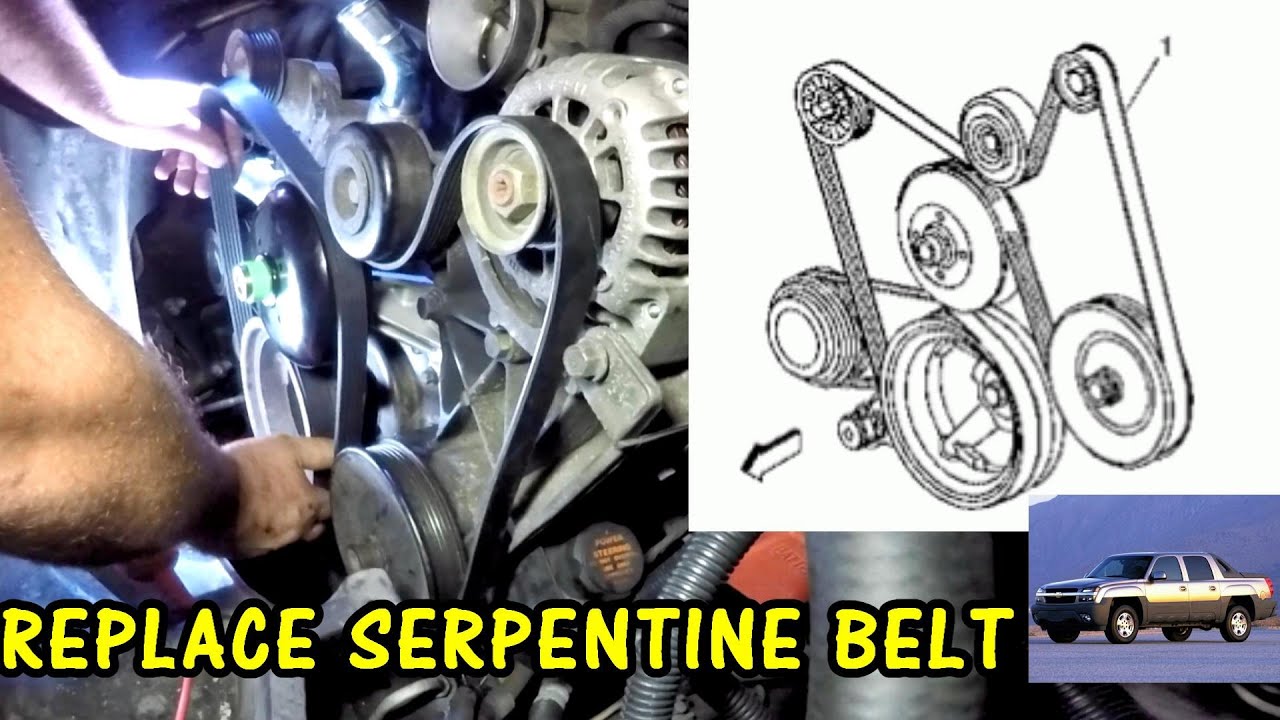
The serpentine belt diagram for your Chevrolet 5.3 Vortec engine is an invaluable tool for maintenance, repair, and even performance modifications. Understanding this diagram empowers you to diagnose issues, replace worn components, and ensure your engine runs smoothly. Let's dive into a detailed look at this crucial resource.
Purpose of the Serpentine Belt Diagram
The serpentine belt diagram serves several critical purposes:
- Repair and Replacement: The most common use is for replacing a worn or broken serpentine belt. The diagram shows you the correct routing path, ensuring the new belt is installed properly.
- Component Diagnosis: A misrouted or damaged belt can cause various issues, such as a non-charging alternator, loss of power steering, or overheating. The diagram helps identify which component is affected by a faulty belt.
- Preventative Maintenance: Regularly inspecting the belt routing and condition helps prevent unexpected breakdowns. The diagram allows you to quickly verify everything is in its place.
- Performance Modifications: When installing underdrive pulleys (aftermarket pulleys that are smaller than the OEM pulleys to reduce parasitic drag on the engine), the serpentine belt routing may change. The diagram becomes essential for determining the correct belt length and routing configuration.
- Educational Tool: Understanding the diagram helps you learn about the various engine accessories and their relationship to the serpentine belt system.
Key Specs and Main Parts
The 5.3 Vortec engine utilizes a single, long, serpentine belt to drive multiple engine accessories. Key components in the system include:
- Crankshaft Pulley (Harmonic Balancer): The primary driver of the belt, connected directly to the engine's crankshaft. It dampens torsional vibrations.
- Alternator: Provides electrical power to the vehicle. Its pulley is driven by the serpentine belt.
- Power Steering Pump: Provides hydraulic assistance for steering. Like the alternator, its pulley is driven by the belt.
- Water Pump: Circulates coolant through the engine to prevent overheating.
- Air Conditioning Compressor: Compresses refrigerant for the air conditioning system.
- Idler Pulley(s): Smooth, unpowered pulleys that guide the belt and maintain proper tension and wrap angle around other pulleys. Wrap angle is the amount of contact the belt has with a pulley. Increasing wrap angle increases grip and reduces slippage.
- Tensioner Pulley: A spring-loaded pulley that automatically maintains the correct tension on the serpentine belt. A critical component for preventing slippage and premature wear.
- Serpentine Belt: A long, multi-ribbed belt made of reinforced rubber that transmits power from the crankshaft to the accessories. The ribs are longitudinal grooves that mate with corresponding grooves in the pulleys.
Symbols: Lines, Colors, and Icons
Serpentine belt diagrams typically use specific conventions to convey information:
- Solid Lines: Represent the path of the serpentine belt.
- Arrows: Indicate the direction of belt travel.
- Icons/Symbols: Represent each component (alternator, water pump, etc.). These are usually stylized drawings or abbreviations (ALT, P/S, WP, A/C).
- Dashed Lines (Less Common): May indicate alternative routing paths or components that are optional or not present on all models.
- Color Coding (Rare): While not standard, some diagrams might use color to differentiate between belt segments or highlight specific components. For instance, the high-tension side of the belt (between the crankshaft and the driven accessory) could be one color, and the low-tension side another.
How It Works
The 5.3 Vortec serpentine belt system operates on a simple principle: rotational force transfer. The engine's crankshaft turns the crankshaft pulley. This rotation is then transferred to the serpentine belt, which wraps around the pulleys of various accessories. As the crankshaft pulley spins, it pulls the belt along, causing each accessory pulley to rotate and perform its intended function. The tensioner pulley is essential; it compensates for belt stretch and ensures the belt maintains enough grip on each pulley to prevent slipping, particularly under load. Slippage reduces the efficiency of the accessories and can generate heat, leading to premature belt wear or even failure.
The arrangement of the pulleys and the routing of the belt are carefully designed to maximize efficiency and minimize stress on the belt. The idler pulleys play a crucial role in guiding the belt along the optimal path and increasing the wrap angle on certain pulleys, ensuring adequate grip. The tensioner pulley, being spring-loaded, also helps to maintain even tension as the belt stretches and flexes with engine operation.
Real-World Use: Basic Troubleshooting Tips
Here are some common problems and how the serpentine belt diagram can assist in troubleshooting:
- Squealing Noise: Often indicates a loose or worn belt. Check the tensioner pulley's condition and ensure it's functioning correctly. Use the diagram to verify the belt is routed correctly and isn't rubbing against anything.
- Loss of Power Steering or Charging: If you suddenly lose power steering or your battery isn't charging, inspect the belt for breaks or slippage. Use the diagram to identify which component is affected and confirm the belt is still driving its pulley.
- Overheating: A broken or slipping belt can prevent the water pump from circulating coolant effectively, leading to overheating. Confirm the belt is properly driving the water pump pulley.
- Belt Wear: Inspect the belt regularly for cracks, fraying, or missing ribs. A visual comparison with the diagram helps identify abnormal wear patterns that may indicate a misaligned pulley or other issue.
- Belt Comes Off: If the belt comes off consistently, it could be because of a bad tensioner or misaligned pulleys. Consult the diagram to check that the belt is routed as designed.
When troubleshooting, always start with a visual inspection using the diagram as a reference. Verify that the belt is routed correctly, the tensioner is functioning, and all pulleys are in good condition. Note any unusual noises or vibrations. Listen closely to the pulleys with a mechanic's stethoscope if needed. A laser alignment tool can also be used to verify pulley alignment.
Safety Considerations
Working on the serpentine belt system involves potential hazards. Keep these safety tips in mind:
- Disconnect the Battery: Always disconnect the negative battery cable before working on any electrical components. The alternator is directly connected to the battery, so working around it could result in a short circuit.
- Hot Engine: Allow the engine to cool completely before working on the serpentine belt system. The pulleys and engine components can become extremely hot.
- Moving Parts: Never put your hands or tools near the serpentine belt or pulleys while the engine is running. The belt can snag clothing or tools, causing serious injury.
- Eye Protection: Wear safety glasses to protect your eyes from debris.
- Tensioner Spring: Be extremely cautious when releasing the tensioner pulley. The spring is under considerable tension and can snap back forcefully, causing injury. Use the correct tool to relieve the tension safely.
- Sharp Edges: Many engine components have sharp edges. Wear gloves to protect your hands.
The most dangerous component is arguably the crankshaft pulley, as this is the primary driver of the belt. Being close to the core rotating assembly, any contact will cause severe, even fatal, injuries. Furthermore, be extra careful when working near the radiator fan. Some fans can spin even after the engine is off due to thermal switches.
We have a high-resolution PDF file of the Chevrolet 5.3 Vortec serpentine belt diagram available for download. This diagram will give you a detailed visual reference when working on your engine's serpentine belt system. Having this diagram readily available will prove to be a valuable asset in keeping your truck, SUV, or car reliably running.