
Chevy Colorado Trailer Wiring Color Code
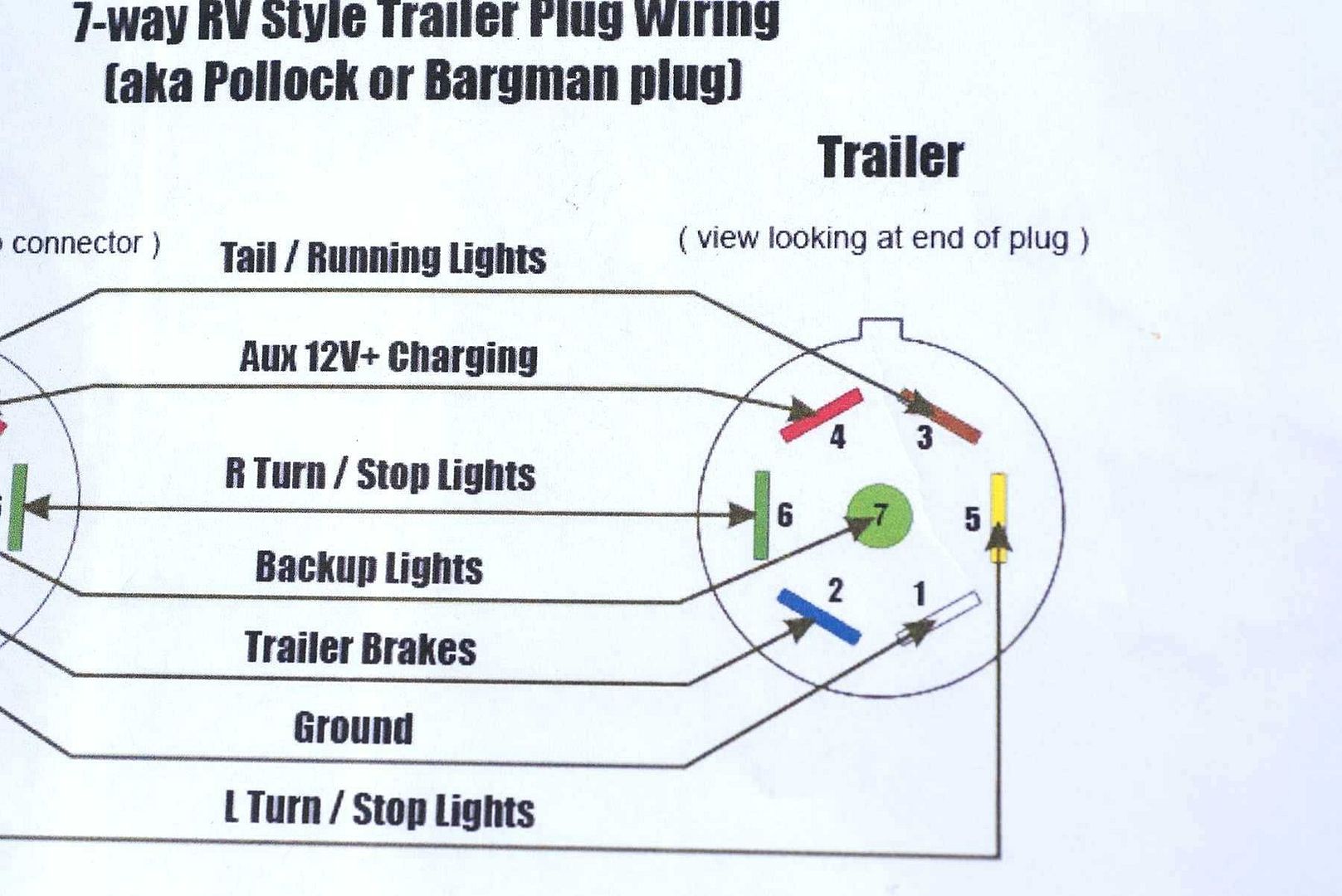
So, you're diving into the trailer wiring on your Chevy Colorado? Excellent! Whether you're adding a brake controller, troubleshooting a flickering taillight, or just want to understand how the whole system works, knowing the Colorado's trailer wiring color code is absolutely crucial. This guide will walk you through everything you need, treating you like the knowledgeable DIYer you are.
Purpose: Why This Matters
Understanding the trailer wiring color code isn't just about following pretty colors; it's about:
- Safe Towing: Properly wired trailer lights, brakes, and other systems are essential for safe towing. Incorrect wiring can lead to accidents.
- Troubleshooting: When something goes wrong (and it will, eventually), knowing the color code allows you to quickly identify and fix the problem.
- Modifications and Upgrades: Adding a brake controller, auxiliary power, or other features requires a solid understanding of the existing wiring.
- Avoiding Electrical Damage: Incorrect connections can damage your Colorado's electrical system, leading to expensive repairs.
Key Specs and Main Parts
The most common trailer connector on the Chevy Colorado is the 7-way RV blade connector, also known as a 7-pin connector. Although some older or smaller trailers might use a 4-way flat connector, we'll focus on the 7-way, as it provides more functionality and is generally used for heavier-duty towing.
Here’s a breakdown of the key components:
- 7-Way RV Blade Connector: This is the heart of the system, providing connections for all the essential trailer functions.
- Trailer Wiring Harness: This bundle of wires connects the Colorado's electrical system to the 7-way connector.
- Brake Controller (Optional): If your trailer has electric brakes, you'll need a brake controller. It sends signals to the trailer brakes, allowing you to slow down safely.
- Fuses and Relays: These protect the Colorado's electrical system from overloads and control various trailer functions.
Symbols, Lines, and Colors Explained
A wiring diagram is essentially a roadmap of the electrical system. Here's how to interpret it:
Colors: Each wire is assigned a specific color code. This is *not* arbitrary; it's standardized (though there can be slight variations depending on the model year and trim level, so always verify with your specific vehicle's documentation). The most common colors and their functions are:
- White: Ground. This is the most important wire. A good ground connection is crucial for all trailer functions to work correctly.
- Yellow: Left Turn/Brake Light.
- Green: Right Turn/Brake Light.
- Brown: Tail/Running Lights. These lights illuminate when your headlights are on.
- Blue: Electric Brakes. This wire carries the signal from the brake controller to the trailer brakes.
- Red: Auxiliary Power (12V+). This can be used to charge the trailer battery or power other accessories.
- Black: Backup Lights (Reverse Lights).
Lines: Solid lines represent wires. Dashed lines often represent connections or splices within the wiring harness.
Symbols: Common symbols include:
- Circle with a Ground Symbol: Indicates a ground connection.
- Fuse Symbol: Represents a fuse.
- Relay Symbol: Represents a relay.
- Bulb Symbol: Represents a light bulb.
How It Works
The trailer wiring system on your Chevy Colorado is relatively straightforward. The Colorado's electrical system sends signals to the trailer connector through the wiring harness. These signals control the trailer lights, brakes, and other functions. The brake controller (if equipped) intercepts the brake signal from the vehicle and sends a corresponding signal to the trailer brakes. The auxiliary power wire provides a constant 12V power source to the trailer.
Think of it like this: when you hit the brakes in your Colorado, the brake signal travels through the wiring harness to the 7-way connector. If you have a brake controller, it modifies this signal based on how hard you're braking and sends it to the trailer brakes, helping you stop safely. Similarly, when you turn on your headlights, the tail light signal travels through the wiring harness to the trailer tail lights, making the trailer visible at night.
Real-World Use: Basic Troubleshooting Tips
Here are some common trailer wiring problems and how to troubleshoot them:
- No Lights: Check the Colorado's fuses. A blown fuse is the most common cause of lighting problems. Also, ensure the ground connection is clean and tight. A poor ground is a frequent culprit. Use a multimeter to test for voltage at the connector.
- Flickering Lights: This often indicates a loose connection or a corroded ground. Inspect all connections and grounds carefully. Clean and tighten them as needed.
- Brakes Not Working: Check the brake controller connections and settings. Use a multimeter to test for voltage at the brake wire on the 7-way connector when the brakes are applied. Also, inspect the trailer brake wiring for damage.
- One Light Not Working: Check the bulb first. If the bulb is good, use a multimeter to check for voltage at the bulb socket. If there's no voltage, trace the wiring back to the connector, looking for breaks or loose connections.
Pro Tip: Use a test light or multimeter to diagnose electrical problems. These tools allow you to quickly check for voltage and continuity, helping you pinpoint the source of the problem.
Safety: Highlight Risky Components
Working with electrical systems can be dangerous. Here are some key safety precautions:
- Disconnect the Battery: Always disconnect the negative battery cable before working on any electrical components. This will prevent accidental shorts and shocks.
- Use Insulated Tools: Use tools with insulated handles to protect yourself from electric shock.
- Wear Safety Glasses: Protect your eyes from flying debris.
- Work in a Well-Ventilated Area: Some electrical components can release fumes when heated.
- Be Careful with Fuses: Never replace a fuse with a higher amperage fuse. This can overload the circuit and cause a fire. Always use the correct amperage fuse.
- Brake Controllers: When working with brake controllers, remember that they can carry significant current. Handle them with care and follow the manufacturer's instructions.
Specifically, be cautious when working with the auxiliary power (12V+) wire. This wire is always hot, even when the ignition is off. Accidental shorts can damage your Colorado's electrical system or start a fire. It's generally a good idea to remove the fuse for this circuit while working on the trailer wiring.
This guide provides a general overview of the Chevy Colorado trailer wiring color code. However, always refer to your specific vehicle's wiring diagram for the most accurate information. Wiring can vary slightly depending on the model year and trim level.
To help you further, we have a detailed wiring diagram available for download. This diagram provides a visual representation of the wiring system, making it easier to understand and troubleshoot. It contains detailed information on wire colors, connector locations, and other important details. Download the diagram HERE (hypothetical link to document).
By understanding the Chevy Colorado trailer wiring color code and following these safety precautions, you can confidently tackle trailer wiring projects and ensure safe and reliable towing.