
Chevy Equinox Serpentine Belt Diagram
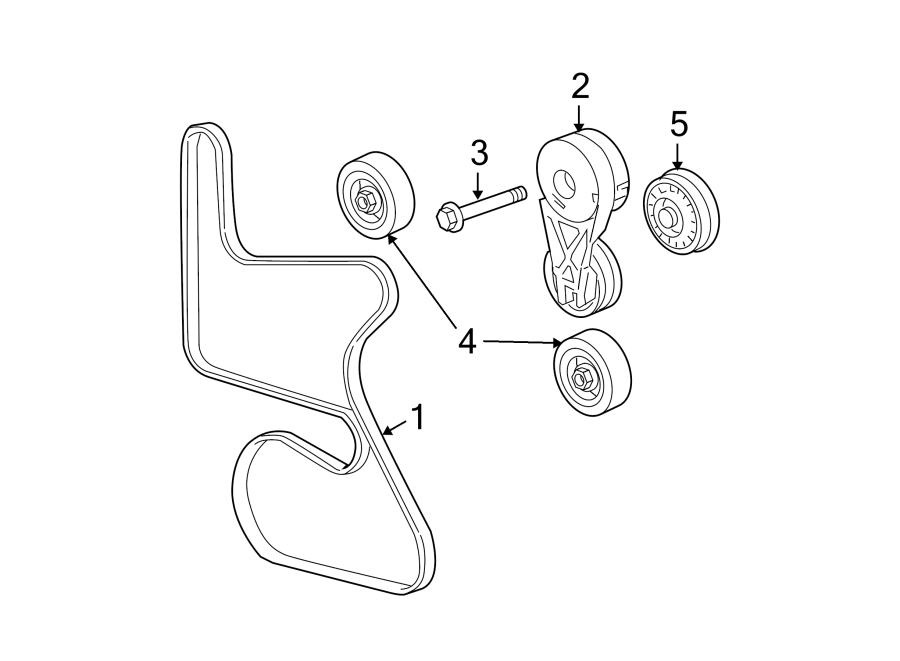
The serpentine belt in your Chevy Equinox is a critical component responsible for powering several essential accessories, including the alternator, power steering pump, air conditioning compressor, and sometimes even the water pump. Understanding its routing and condition is crucial for maintaining your vehicle's reliability. This article dives into the details of the Equinox serpentine belt diagram, providing you with the knowledge to perform maintenance, diagnose issues, and even tackle replacements confidently.
Purpose of a Serpentine Belt Diagram
A serpentine belt diagram is your roadmap for understanding the belt's routing around the various pulleys in your engine bay. It's indispensable for several reasons:
- Repair and Replacement: Accurate routing is paramount. Incorrect routing can lead to accessory malfunction, belt slippage, and even engine damage. The diagram ensures you reinstall the belt correctly after maintenance or replacement.
- Troubleshooting: A diagram helps you trace the belt's path when diagnosing issues like squealing, slipping, or accessory failure. Knowing the components the belt drives allows for targeted diagnostics.
- Preventative Maintenance: Familiarizing yourself with the belt's routing and condition allows you to spot potential problems early, preventing costly breakdowns. Checking for cracks, fraying, or glazing becomes routine.
- Learning and Understanding: Even if you're not actively working on your Equinox, understanding the serpentine belt system provides valuable insight into your vehicle's operation.
Key Specs and Main Parts
While specific dimensions vary slightly based on the Equinox's engine (typically a 2.4L or 3.6L), some general specs apply. The serpentine belt is a continuous, multi-ribbed belt, usually made from a blend of synthetic rubbers like EPDM (Ethylene Propylene Diene Monomer) for heat and wear resistance.
Main Components:
- Crankshaft Pulley: Driven directly by the engine's crankshaft, this pulley is the starting point for the serpentine belt system.
- Alternator Pulley: The alternator generates electrical power for the vehicle. Its pulley is driven by the serpentine belt.
- Power Steering Pump Pulley: Powers the hydraulic power steering system.
- Air Conditioning Compressor Pulley: Engages and drives the A/C compressor when cooling is needed.
- Water Pump Pulley (Sometimes): In some Equinox configurations, the water pump is driven by the serpentine belt. Its primary function is to circulate coolant throughout the engine.
- Tensioner Pulley: This spring-loaded pulley maintains consistent tension on the serpentine belt, preventing slippage and extending belt life. It's a critical part of the system.
- Idler Pulley: A smooth pulley used to guide the belt around obstructions or to optimize belt wrap around other pulleys. It doesn't drive any accessories.
Symbols and Diagram Explanation
Serpentine belt diagrams are typically simplified representations, but understanding the conventions is key to interpreting them correctly.
- Solid Lines: Represent the path of the outer surface of the serpentine belt. Follow these lines to trace the belt's routing.
- Dotted Lines (Sometimes): May indicate the inner surface of the belt, especially when illustrating how the belt wraps around pulleys. This is less common, but worth noting.
- Arrows: Indicate the direction of rotation for each pulley. This is vital for confirming correct belt orientation.
- Component Icons: Small symbols (e.g., a battery for the alternator, a steering wheel for the power steering pump, a snowflake for the A/C compressor) identify the specific accessory driven by each pulley.
- Labels: Pulleys are labeled with abbreviations like "ALT" for Alternator, "P/S" for Power Steering, "A/C" for Air Conditioning, "CRANK" for Crankshaft, "TENSIONER," and "IDLER."
Color coding is rare on these diagrams, but if present, it typically highlights a specific section of the belt for emphasis.
How It Works
The serpentine belt system is a relatively simple, yet effective, power transmission system. The engine's crankshaft, through the crankshaft pulley, provides the rotational force. The serpentine belt, wrapped tightly around this pulley and all other accessory pulleys, transfers this force to drive the accessories. The tensioner pulley's role is vital: it applies constant pressure, maintaining optimal belt tension to prevent slippage. Without proper tension, the belt will slip, leading to reduced accessory performance (dim headlights, poor A/C cooling, difficult steering) and accelerated belt wear.
Think of it like a series of gears connected by a rubber band. If the rubber band is too loose, the gears won't turn efficiently.
Real-World Use: Basic Troubleshooting
Here are some common problems associated with the serpentine belt system and how a diagram can aid in troubleshooting:
- Squealing or Chirping Noise: This often indicates a loose or worn belt. Use the diagram to check the tensioner pulley and ensure it's functioning correctly. Also, inspect the belt for signs of glazing (a shiny, hardened surface).
- Accessory Malfunction: If your alternator isn't charging the battery, the power steering is difficult, or the A/C isn't cooling, the serpentine belt might be slipping or broken. The diagram helps you identify which accessories are powered by the belt and therefore potentially affected.
- Visible Damage: Cracks, fraying, or missing ribs are clear signs of belt wear and the need for replacement. The diagram helps you confirm the correct belt routing when installing a new belt.
Troubleshooting Tip: A spray bottle with water can be a useful diagnostic tool. Briefly spraying water on the belt while the engine is running can temporarily quiet a squealing belt, confirming that the belt is the source of the noise. However, be extremely cautious and avoid spraying water near any electrical components.
Safety Considerations
Working on the serpentine belt system involves inherent risks. Remember to always prioritize safety.
- Engine Off: Always ensure the engine is completely off and the keys are removed from the ignition before working on the serpentine belt.
- Hot Components: The engine and exhaust system can remain hot for a considerable time after the engine is shut off. Avoid touching these components to prevent burns.
- Moving Parts: Never put your hands or tools near the serpentine belt or pulleys while the engine is running. The belt can grab clothing or tools, causing serious injury.
- Tensioner Spring: The tensioner pulley is under significant spring pressure. Use the correct tools to relieve tension when removing or installing the belt. Improper handling can cause the tensioner to snap back, potentially causing injury.
- Battery Disconnect: Consider disconnecting the negative battery terminal to prevent accidental electrical shorts while working.
High-Risk Components: The tensioner pulley is arguably the riskiest component to handle due to the strong spring. Be sure to use the correct wrench or tool to carefully relieve the tension. Also, the alternator carries high voltage when the engine is running, so avoid touching it unless the battery is disconnected and you are familiar with electrical safety procedures.
Warning: Improperly installed or maintained serpentine belts can lead to engine damage or accessory failure. If you are not comfortable performing these tasks yourself, seek the assistance of a qualified mechanic.
By understanding the serpentine belt diagram and following proper safety precautions, you can confidently maintain and troubleshoot your Chevy Equinox's serpentine belt system, extending the life of your vehicle and preventing costly repairs. Remember to always double-check your work and consult your vehicle's repair manual for specific instructions and torque specifications.
We have a detailed serpentine belt diagram specifically for your Chevy Equinox readily available for download. This will assist you greatly in your maintenance and repair tasks. Please contact us to access the file.